Tether's Mixed Q2
Tether Reports $1.5 Billion Q2 Profit Amid Halved Reserve Cushion
Anonymous
Key Points
1
Mark-to-market markdowns on gold and Bitcoin helped drive the reserve cushion compression. Gold’s valuation fell from $4,668.06/oz to $4,008.02/oz and Bitcoin’s price dropped from $68,193.95 to $58,642.15, contributing about $3.73 billion of markdowns by March 31 and helping underpin an implied Q2 loss of roughly $4.211 billion after accounting for Q1’s $1.04 billion profit and a net $89 million capital offset.
2
Tether disclosed a deliberate de-risking move by cutting secured lending exposure by $2.38 billion, a roughly 15% reduction, as part of its risk-management strategy for the quarter.
3
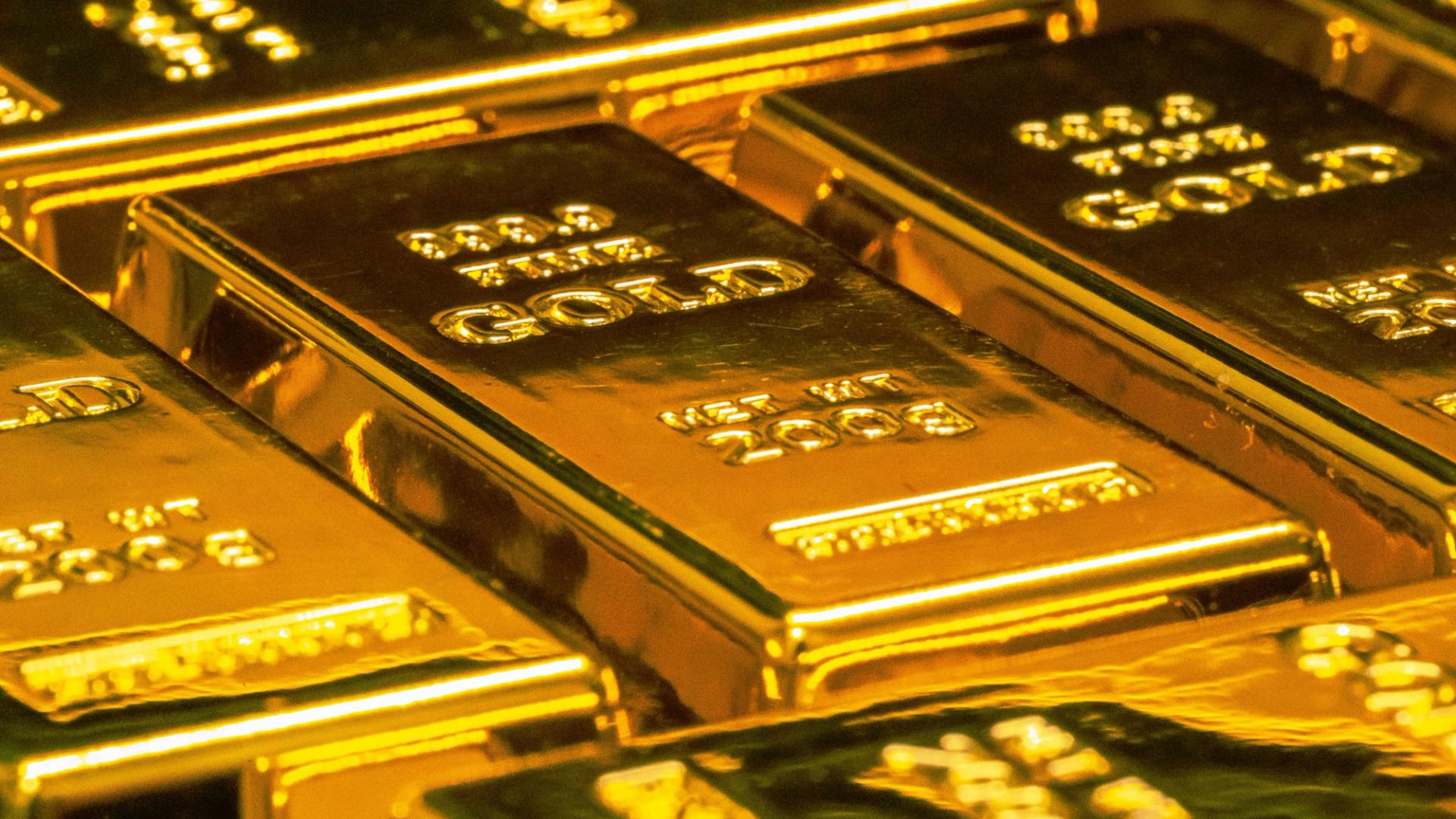
The company expanded its physical gold holdings to more than 146 tons in Q2, adding about 14 tons in the quarter as part of its liquidity buffering and risk management.
4
Tether is pushing expansion into Africa through tokenization initiatives, including exploratory plans with Kenya to study tokenizing local stocks and enabling settlements in USDT, signaling a strategic pivot toward emerging markets amid regulatory scrutiny.
Tether, the world's largest stablecoin issuer, posted a $1.5 billion net operating profit in Q2 2026, driven by US Treasury holdings and repurchase agreements, according to Crypto News. But beneath the headline, the company's safety cushion — the buffer of assets above what it owes — was cut nearly in half, falling from $8.23 billion at the end of Q1 to $4.11 billion by June 30.
The culprit: steep paper losses on Bitcoin and gold, two volatile assets Tether holds as part of its reserves. Bitcoin dropped from $68,193 to $58,642 during the quarter. Gold fell from $4,668 to $4,008 per ounce. Together, those price swings erased roughly $3.73 billion in book value, according to CryptoSlate.
How a $1.5B Profit Still Left Tether Worse Off
Tether earned $1.5 billion from Treasuries and repo deals in Q2. But that profit was overwhelmed by mark-to-market losses — paper losses on assets whose prices fell during the quarter. The math is stark: start with $8.23 billion in excess reserves, add $1.5 billion in profit, then subtract roughly $5.62 billion in markdowns, and you land at $4.11 billion, per CryptoSlate.
Total assets slipped to $187.75 billion, down from $191.77 billion in Q1. Liabilities held roughly flat at $183.64 billion. USDT in circulation grew to $184.6 billion. The attestation was certified by BDO Italia, a mid-tier accounting firm, using a limited-scope review — not a full financial audit, Crypto News noted.
Gold Buying Up, Bitcoin Holdings Expanded — But Both Lost Value
Tether added 14 metric tons of gold in Q2, pushing its total holdings above 146 tons, worth roughly $18.8 billion, according to Investing.com. That makes it one of the largest private gold holders in the world. But because the price of gold fell 14% during the quarter, the position lost about $1 billion in dollar value even as tonnage grew.
Tether also expanded its Bitcoin stash to 98,933 BTC, adding about 1,796 coins. Yet BTC's price slide from $68,193 to $58,642 shrank the position's value from $6.62 billion to $5.80 billion. Tether also cut its secured lending book by $2.38 billion — a 15% reduction — as part of what it called a deliberate de-risking push, Tron Weekly reported.
Kenya Deal Signals Tether's Emerging Markets Bet
On July 28, Tether signed a memorandum of understanding with Kenya's Nairobi Securities Exchange. The deal explores using Tether's Hadron platform to tokenize local stocks, bonds, and real estate funds. It also tests USDT as a settlement layer for equity trades, potentially bypassing traditional banks, according to Head Topics.
The Africa push comes as Tether faces a tightening regulatory clock at home. The US GENIUS Act, signed into law in July 2025, requires stablecoin issuers to hold only dollars and short-term Treasuries — no Bitcoin, no gold. Enforcement begins January 18, 2027. If Tether cannot get a US reciprocity ruling by then, American exchanges could be forced to delist USDT.
Analysts Flag Shrinking Transparency as Scrutiny Grows
Observers flagged a troubling pattern in Q2's attestation report. Unlike Q1, the BDO document omitted exact dollar figures for gold and Bitcoin, listing gold only by weight. Critics say this makes it harder for outside analysts to verify the reserve math. CryptoSlate called it a move that hides "a $4.2 billion hit" behind a positive headline number.
Tether CEO Paolo Ardoino pushed back, saying the quarter "demonstrated the strength of Tether's reserve strategy under real market pressure." He pointed to the $4.11 billion buffer and high Treasury liquidity as proof the company can handle volatility. A full KPMG audit, announced in March 2026, remains unscheduled — and unfinished.
Sentiment
Mostly PositiveNEGATIVENEUTRALPOSITIVE
Publishers
37
Articles
35
Reach
72
A
AnonymousAuthor


