Maui Wildfire Health Study
Maui wildfire study links elevated metal levels in residents to abnormal lung function.
Anonymous
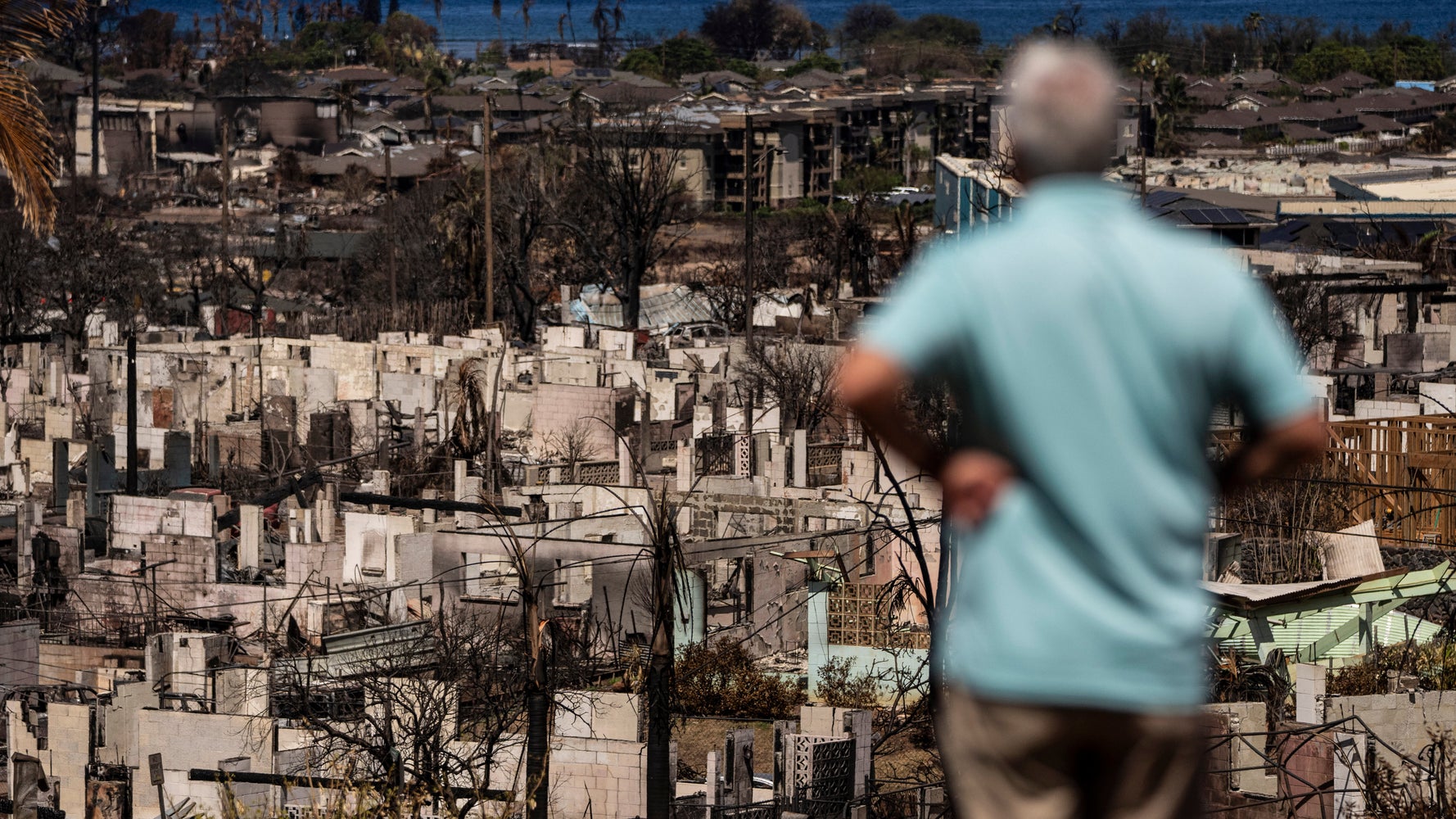
A study of 1,400 Maui adults found elevated levels of several metals in urine samples collected six to 18 months after the August 2023 wildfires, including antimony, manganese, barium and arsenic. Higher combined metal levels were associated with abnormal lung-function measures, though the findings do not establish that wildfire exposure alone caused the metals or respiratory effects. Researchers say burned buildings, vehicles and other materials may have contributed, alongside preexisting or ongoing exposures from soil, land use, diet and other sources; without pre-fire measurements, the sources cannot be precisely separated. The findings suggest that health monitoring and recovery efforts may need to continue after smoke and flames are gone.
Key Points
1
Against U.S. biomonitoring reference values, antimony levels in participants were nearly 40 times higher, manganese 3.8 times higher, barium 2.3 times higher and arsenic 2.2 times higher.
2
Researchers measured 24 metals and assessed participants’ pulmonary function with standardized breathing tests at the same visit; arsenic, cadmium, copper and antimony contributed most strongly to the observed associations with abnormal lung function.
3
Co-author Ruben Juarez cautioned against treating the end of visible smoke as the end of health concerns: “Short-term air monitoring is essential, but after a major community-burning wildfire it may not tell us the whole story.”
4
The fires destroyed more than 2,200 structures and caused about $5.5 billion in damages. Researchers note that extreme heat can turn metals in burned structures and vehicles into microscopic airborne particles, and that smoke from wildland-urban interface fires can contain more metals than smoke from wildland fires.
Sentiment
Mostly NegativeNEGATIVENEUTRALPOSITIVE
Publishers
5
Articles
123
Reach
128
A
AnonymousAuthor


