Deadly Prison Heat
Extreme Summer Heat Threatens Inmates in Aging and Uncooled U.S. Prisons
Anonymous
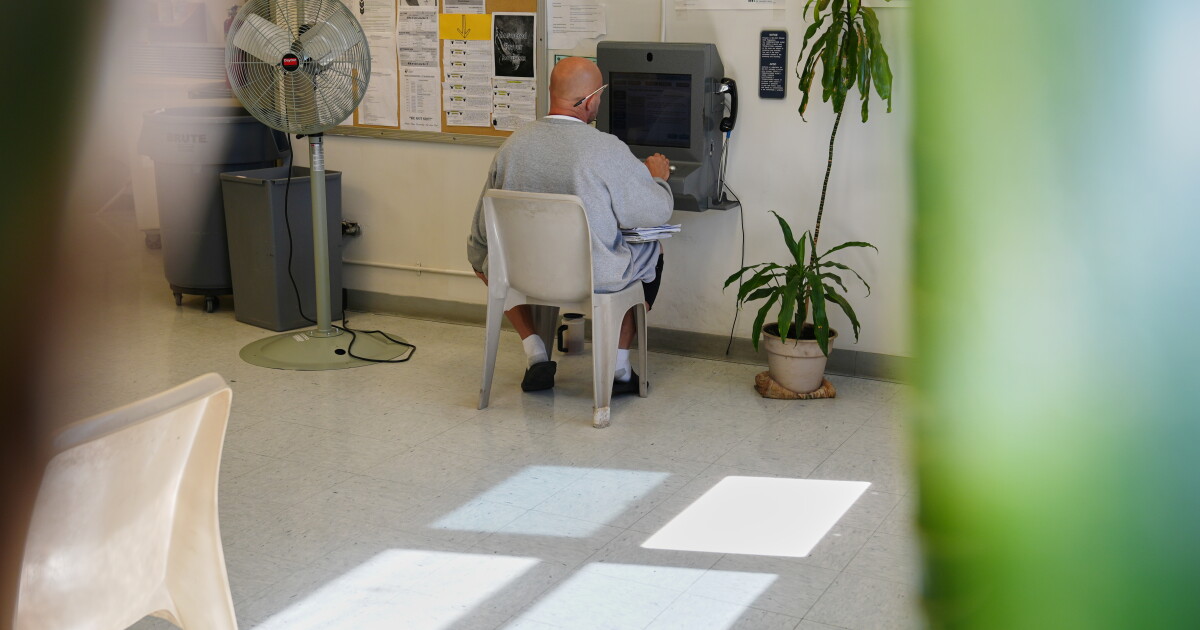
Extreme heat is putting incarcerated people at growing risk in U.S. prisons, many of which are older, overcrowded and lack adequate cooling. At California’s San Quentin Rehabilitation Center, Steve Brooks says his windowless cell has no air conditioning, and during a 2024 power outage temperatures reached 90 to 100 degrees. High heat and humidity can cause dizziness, nausea and headaches, and can lead to potentially fatal heat stroke. Research links hotter conditions to increased inmate mortality, including suicide, while advocates warn prison heat-related deaths may be undercounted and facilities are not adapting fast enough.
Key Points
1
At San Quentin, Brooks has no access to ice or cold water and relies on two eight-inch fans in his windowless cell; during power outages, those fans stop working.
2
A Massachusetts Institute of Technology study found that most U.S. prisons experienced at least 10 summer days hotter than any previous summer on record, underscoring how rapidly conditions are changing.
3
Many prisons were built during the prison-construction boom that began in the 1970s, using heat-trapping materials such as concrete and steel—features that can intensify indoor heat.
4
At Minnesota’s Lino Lakes Correctional Facility, a building constructed in 1992, fans run constantly as inmates contend with summer heat the facility was not designed to keep out.
Sentiment
Mostly NegativeNEGATIVENEUTRALPOSITIVE
Publishers
6
Articles
94
Reach
100
A
AnonymousAuthor


