Dara Singh Release Denied
Odisha Board Rejects Dara Singh's Early Release Plea Over Communal Concerns
Anonymous
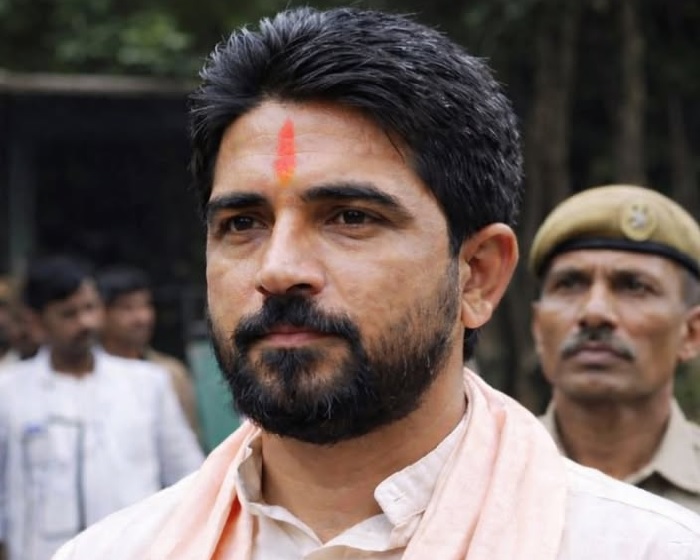
Key Points
1
The Supreme Court had warned that state officials could be summoned if the decision remained pending and directed the board to decide by September 2. “You want to reject it, you do it. You take a decision. We will deal with it. You can’t keep it lingering like this,” the court said on August 19.
2
The Sentence Review Board had rejected Singh’s release on five previous occasions—November 2016, June 2019, December 2020, January 2022 and February 2023—often citing concerns about communal harmony.
3
Singh was sentenced to death in 2003 by a CBI court after being convicted of murder, criminal conspiracy and rioting. The Orissa High Court commuted the sentence to life imprisonment in 2005, while acquitting 11 other accused; the Supreme Court later dismissed Singh’s appeal against his conviction.
4
Before the killings, Singh—whose full name is Rabindra Kumar Pal—worked as a Hindi teacher at Janta High School in Mallipur, in Odisha’s Kendujhar district, and was originally from Kodar village in Uttar Pradesh’s Auraiya district.
Odisha's State Sentence Review Board has rejected the premature-release plea of Dara Singh, who is serving a life sentence for the 1999 killings of Australian missionary Graham Staines and his two young sons The Wire. Singh, 67, has spent more than 26 years in prison and became eligible for consideration under the state's 2022 remission guidelines Deccan Chronicle. The board cited concerns that his release could trigger communal disturbances, pointing to reports that 200–250 supporters gathered outside Kendujhar jail and allegedly raised provocative slogans Times Now News. The decision comes just days before a September 17 Supreme Court hearing on Singh's plea.
Supreme Court Pressure Forces State's Hand
In August, India's Supreme Court warned Odisha officials that the decision could not linger. On August 19, the court told state authorities: "You want to reject it, you do it. You take a decision The Wire." The court directed the board to decide by September 2 and warned that officials could be summoned if the matter remained unresolved. This pressure forced the state to finally act after years of delay.
The board's latest rejection marks the sixth time Singh's release plea has been denied since 2016 Outlook India. Previous rejections came in November 2016, June 2019, December 2020, January 2022, and February 2023. Officials have consistently cited communal harmony concerns as the reason for keeping Singh behind bars.
A Quarter-Century in Prison for the Staines Murder
Singh was convicted in 2003 by a Central Bureau of Investigation court for the murder of Australian missionary Graham Staines and his two young sons Deccan Chronicle. He was found guilty of murder, criminal conspiracy, and rioting. The Orissa High Court commuted his death sentence to life imprisonment in 2005 while acquitting 11 other accused. The Supreme Court later dismissed Singh's appeal against his conviction, upholding the life sentence.
Singh's full name is Rabindra Kumar Pal. Before the killings, he worked as a Hindi teacher at Janta High School in Mallipur, Odisha's Kendujhar district Daily Hunt. He originally came from Kodar village in Uttar Pradesh's Auraiya district. He has now served more than 26 years of his life sentence in custody.
Prison Officials Backed Release, Board Refused
Local prison and district authorities had previously recommended Singh's premature release, citing his conduct in custody The Wire. However, the State Sentence Review Board rejected these recommendations, stating that the latest report was "inconclusive." The board prioritized concerns about potential communal backlash over the local officials' assessments of Singh's behavior and rehabilitation.
The rejection sets the stage for a tense Supreme Court hearing on September 17 Times Now News. The court will now hear arguments on whether Singh deserves early release, even though Odisha has formally rejected his plea. Legal observers expect the court to address both Singh's eligibility and the broader question of whether communal tensions should override remission guidelines in such cases.
Sentiment
Mostly NegativeNEGATIVENEUTRALPOSITIVE
Publishers
19
Articles
18
Reach
37
A
AnonymousAuthor


