Taliban Seeks U.S. Mining Investment
Taliban Offers Trillion-Dollar Mineral Wealth to Washington Seeking Sanctions Relief
Anonymous
Key Points
1
Afghanistan has already awarded about $6.5–7 billion in mining contracts since 2021 to firms tied to China, Iran and other partners, signaling tangible foreign engagement despite sanctions and Western isolation.
2
The $1 trillion figure cited for Afghanistan’s mineral wealth refers to resources in the ground, not proven reserves or immediate profitability; feasibility, roads, power and security are needed before any large-scale extraction becomes viable.
3
The Taliban are seeking sanctions relief and the unfreezing of billions of dollars in Afghan central-bank assets held abroad as part of their outreach to the United States, framing future economic opportunities rather than the wartime past.
4
Financing remains a major hurdle: ongoing U.S. and other sanctions, lack of formal recognition, and security risks compound the challenges of attracting Western capital amid Afghanistan’s infrastructure and energy shortfalls.
5
The effort is framed within a broader U.S. strategy to diversify away from dependence on China by seeking greater access to Afghanistan’s minerals, with comparisons drawn to Western engagement models in other regions (e.g., Congo) to illustrate potential pathways for American investors.
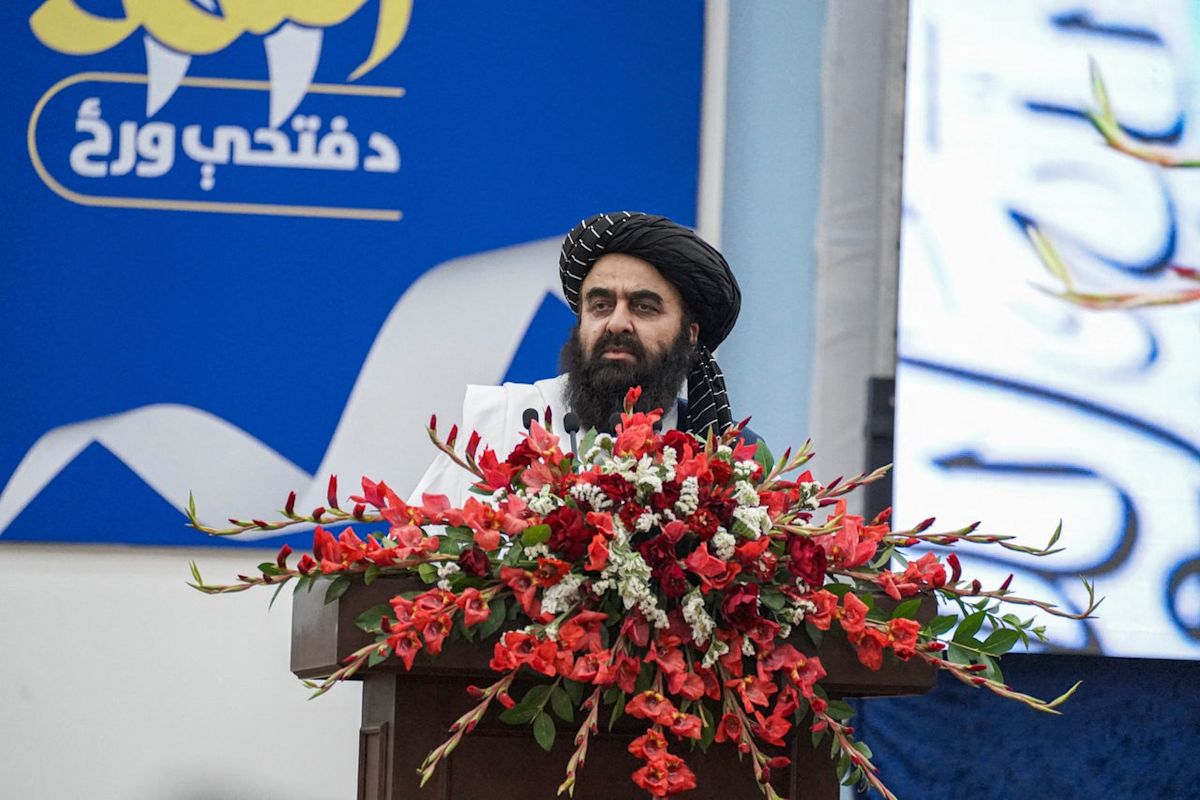
The Taliban government is pitching Afghanistan's estimated $1 trillion in mineral wealth to Washington, seeking U.S. investment and sanctions relief. Foreign Minister Amir Khan Muttaqi told Financial Times that Kabul welcomes American involvement in mining, infrastructure, agriculture, and trade. The overture marks a shift toward economic engagement after years of Taliban rule marked by Western isolation and sanctions.
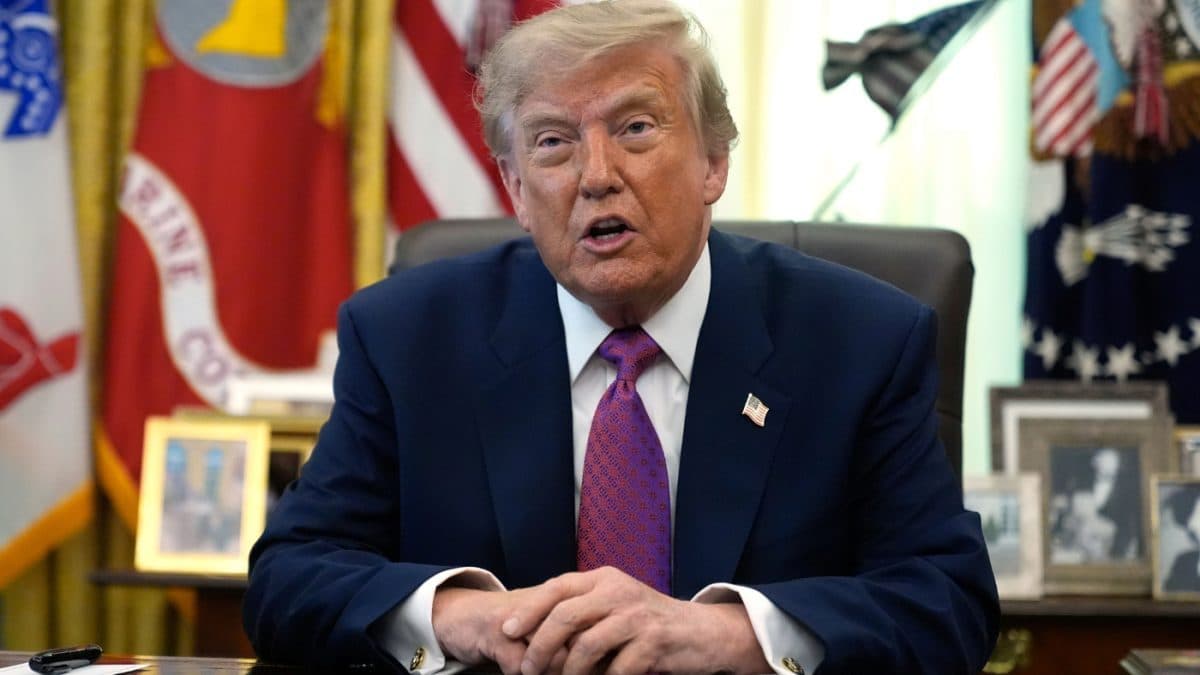
The invitation comes as President Trump seeks to diversify away from Chinese dependence on critical minerals. Yet substantial obstacles remain: ongoing sanctions, security risks, and Afghanistan's severe infrastructure and energy shortages could delay or derail large-scale mining projects. Analysts caution that the $1 trillion figure represents resources still in the ground, not proven reserves ready for extraction.
Taliban Already Struck Billions in Mining Deals
Afghanistan has awarded about $6.5 to $7 billion in mining contracts since 2021 to Chinese, Iranian, and other foreign firms, Yahoo News reported. These deals signal tangible foreign engagement despite the Taliban's international isolation. The contracts cover everything from rare earths to copper and lithium, critical materials for batteries and electronics.
China leads this effort, recognizing Afghanistan's resource potential and geographic proximity to its Belt and Road Initiative. Iran has also secured contracts, taking advantage of Western sanctions and limited competition. Yet most projects remain in early stages or face delays from security, power, and infrastructure gaps.
What the Taliban Really Wants From Washington
Beyond investment, the Taliban seek sanctions relief and the unfreezing of billions in Afghan central-bank assets held abroad since 2021. Independent reported that Kabul frames its pitch around future economic opportunity rather than the wartime past. Foreign Minister Muttaqi's message: normalize relations, unlock frozen funds, and Afghanistan becomes a profitable investment destination.
The timing reflects Trump administration interest in reshaping great-power competition. By investing in Afghanistan's minerals, the U.S. could reduce reliance on Chinese supply chains while securing strategic resources. However, no formal agreement yet exists, and deep political and human-rights concerns complicate any swift normalization.
Infrastructure and Security Block the Path Forward
The $1 trillion mineral estimate reflects raw geological potential, not proven reserves or immediate profitability. Afghanistan lacks the roads, ports, power plants, and security needed to support modern mining operations. Energy shortages alone could cripple extraction and processing facilities before they ever begin production.
Ongoing U.S. and international sanctions, combined with the Taliban's lack of formal global recognition, create additional friction. Foreign companies face legal and financial risks operating in Afghanistan. Most feasibility studies and development work remain incomplete, meaning years or decades could pass before any large-scale extraction becomes viable.
Sentiment
Mostly NegativeNEGATIVENEUTRALPOSITIVE
Publishers
16
Articles
15
Reach
31
A
AnonymousAuthor