Fugitive Rapist Dies
Convicted Rapist Nicholas Rossi, Who Faked Death, Dies at 38 in Utah Hospital
Anonymous
Key Points
1
Rossi was accused of raping a Sinclair Community College student in 2008 and faced another sexual misconduct accusation the same year; he later sued one of the Sinclair victims and ran online intimidation campaigns against her.
2
In addition to his sexual offenses, Rossi was tied to a Dayton-area fraud case in which bogus credit card accounts were opened in his foster father’s name, accumulating roughly $200,000 in charges.
3
Investigators say Rossi used at least a dozen aliases and identities; he was arrested in Scotland in 2021 after hospital staff in Glasgow recognized his distinctive tattoos while he was being treated for COVID.
4
Rossi died on June 25, 2026, at 8:32 p.m., in a Utah hospital after choosing to discontinue medical treatment, marking the end of a years-long-and-ongoing manhunt and extradition saga.
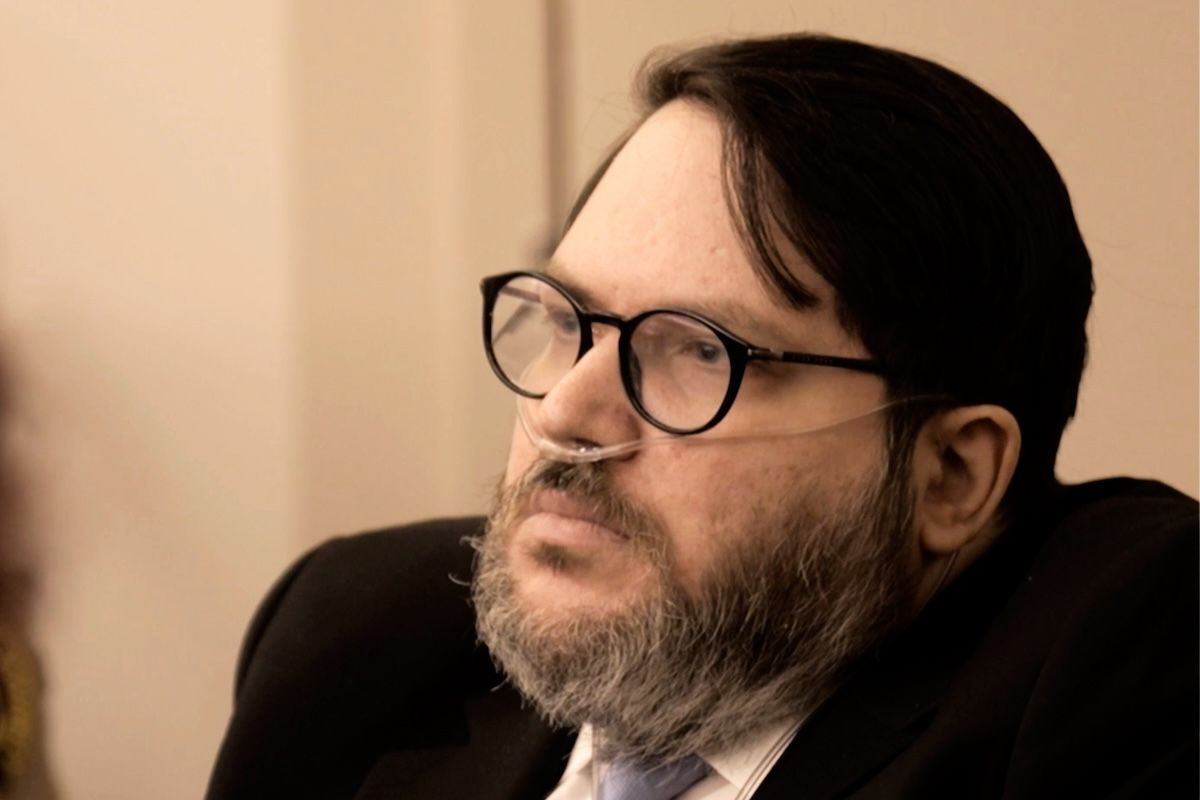
Nicholas Rossi, a convicted rapist who faked his own death, fled to Europe, and spent years insisting he was a British man named Arthur Knight, died on June 25, 2026, at 8:32 p.m. in a Utah hospital. He was 38. NBC Boston reported that Rossi chose to stop medical treatment for complications from a pre-existing condition, ending a nearly two-decade saga of sexual violence, fraud, and international flight.
Rossi was serving two consecutive sentences of five years to life for first-degree rape in Utah. His death came less than a year after a 2025 trial in which he finally admitted his true identity in open court. Authorities called him a "sociopathic predator" who used every tool available to avoid justice.
A Rapist Who Faked His Own Death in 2020
Rossi's crimes began in 2008, when he raped a student at Sinclair Community College in Dayton, Ohio. That same year, he faced a second sexual misconduct accusation. He then sued one of his victims and ran online harassment campaigns against her. In the Dayton area, investigators also tied him to a financial fraud scheme. He opened bogus credit card accounts in his foster father's name, racking up roughly $200,000 in charges before vanishing.
In February 2020, Rossi faked his death in Rhode Island, claiming to have died of non-Hodgkin lymphoma. An obituary was published. Last rites were reportedly performed. He then fled to Europe, adopting the identity of Arthur Knight — a persona he described as an Irish orphan and scholar. He used at least a dozen confirmed aliases across the US, UK, and Ireland.
Glasgow Hospital Staff Spotted His Tattoos Through COVID
Rossi's flight ended in December 2021 in a Glasgow hospital. He was being treated for a severe case of COVID-19 at Queen Elizabeth University Hospital, on a ventilator, when staff recognized him. They matched his distinctive tattoos to Interpol Red Notices. Scottish authorities arrested him on the spot. He was using a forced British accent and claimed he had never set foot in America.
Rossi fought extradition for over two years in Scottish courts. He appeared in a wheelchair using an oxygen mask. He claimed the tattoos had been "sown onto him" while he was unconscious. Scottish Sheriff Norman McFadyen rejected that claim. A checquered tattoo pattern on his arm matched FBI records exactly. In January 2024, Scotland sent him back to Utah to face trial.
DNA from a Decade-Old Rape Kit Broke the Case Open
Rossi's first Utah crime happened in 2008, but no one linked him to it for nearly a decade. In 2017, a DNA profile from Utah's rape kit backlog was uploaded to CODIS — the national DNA database. It matched Rossi's profile. Investigators say the backlog-clearing effort, pushed by legislation requiring old kits to be tested, is what finally connected him to the assault. His case became a landmark example of why testing old kits matters.
At his 2025 trial, Rossi dropped the Arthur Knight act. He told the Utah court: "I am Nicholas Rossi. The charade was a product of a mind that could no longer face its own shadow." He was convicted of two counts of first-degree rape and sentenced to two consecutive terms of five years to life. Judge Norman Galloway called his conduct "predatory and calculated beyond the norm of criminal behavior."
Victims Say Justice Arrived Before He Died
Victim Maryth Cassan spoke after Rossi's death. "He spent his last moments known for who he truly was, not the ghost he tried to become," she said. "That is the only justice we needed." Rossi died having served fewer than two years of his sentence. But authorities noted he died in prison, convicted, under his real name — the outcome he spent years trying to prevent.
Former Utah County Attorney David Leavitt said Rossi was "a master manipulator who used every tool of the legal and medical systems to avoid the inevitable." His death likely ends several civil lawsuits Rossi filed against victims and journalists during his years as Nicholas Alahverdian. Advocates at RAINN called the case a win for international cooperation and DNA evidence, saying "geographic flight is no longer a viable escape."
Sentiment
Mostly NegativeNEGATIVENEUTRALPOSITIVE
Publishers
29
Articles
220
Reach
249
A
AnonymousAuthor


