Uzbekistan's Regional Diplomacy
Uzbekistan Strengthens Central Asian Ties Amidst Broad Diplomatic Push for Stability
Anonymous
Key Points
1
Lavrov arrived in Kyrgyzstan from the Philippines after meetings with U.S. Secretary of State Marco Rubio, with the Middle East situation among the issues discussed on the SCO sidelines.
2
Japarov said he "highly praised the large-scale reforms being carried out in Uzbekistan" and noted ongoing industrial cooperation, including through the Joint Fund, with major regional infrastructure projects under way.
3
Masoud Pezeshkian congratulated Mirziyoyev on his birthday during their call, underscoring personal greetings in addition to policy discussions.
4
Rahmon stressed the practical implementation of the March 26-27 Tajikistan state-visit agreements in trade, economy and investment during their talks.
5
Tokayev and Mirziyoyev discussed "major cooperation projects in priority sectors" in addition to expanding bilateral trade and planning upcoming regional and multilateral events.
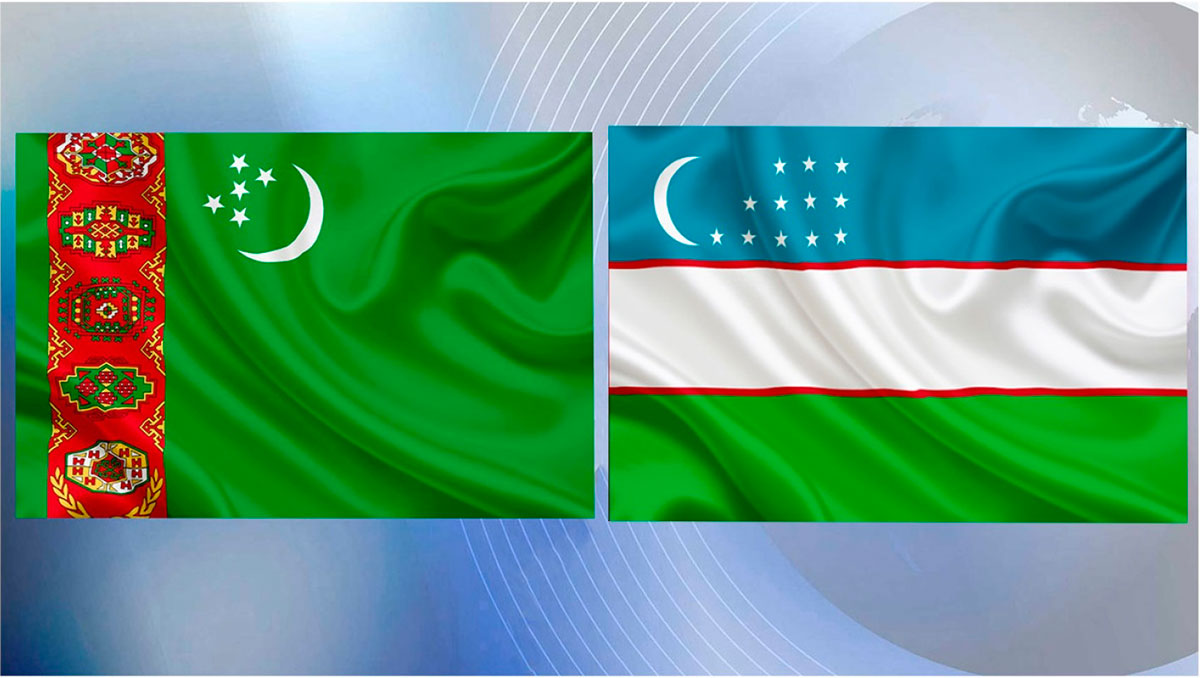
Uzbekistan's President Shavkat Mirziyoyev held a flurry of phone calls with regional leaders this week, reaching out to the presidents of Kyrgyzstan, Iran, Tajikistan, and Kazakhstan in rapid succession. The conversations covered birthday wishes, bilateral trade, and growing concerns over the Middle East — painting a picture of a Central Asian leader working hard to anchor his country in a web of regional partnerships. Turkmenistan State News also noted a separate call between Mirziyoyev and Turkmenistan's top leader, underscoring just how active Uzbekistan's diplomatic calendar has become.
The outreach comes as foreign ministers gathered in Kyrgyzstan for a Shanghai Cooperation Organisation meeting. Russia's Sergei Lavrov and Iran's Abbas Araghchi met on the sidelines to discuss Middle East tensions. Lavrov flew in directly from the Philippines, where he had just met U.S. Secretary of State Marco Rubio.
Mirziyoyev and Japarov Celebrate Birthdays and Big Plans
Kyrgyzstan's President Sadyr Japarov exchanged birthday greetings with Mirziyoyev and used the call to highlight how far the two countries have come. Japarov said he "highly praised the large-scale reforms being carried out in Uzbekistan." The two leaders also pointed to active industrial cooperation through a Joint Fund and flagged major regional infrastructure projects already under way.
The leaders are planning a high-level summit in the near future. Bilateral trade between Uzbekistan and Kyrgyzstan has grown steadily in recent years, and both sides signaled they want to push that momentum further. The call set the tone for what both governments described as a deepening friendship between the two neighboring states.
Iran and Uzbekistan Stress Trade Amid Middle East Alarm
Iran's President Masoud Pezeshkian called Mirziyoyev to wish him a happy birthday, but the two quickly moved to serious topics. Mirziyoyev expressed clear concern over rising tensions in the Middle East. Both leaders endorsed expanding ties in trade, economy, transport, and cultural exchanges — areas where the two countries already have a working relationship.
The call matters beyond pleasantries. Iran is a key transit partner for Uzbekistan, sitting between Central Asia and major markets to the west and south. Any instability in the region directly affects trade routes that Uzbekistan relies on. By keeping the line open with Tehran, Mirziyoyev is protecting economic interests as much as managing diplomacy.
Tajikistan and Kazakhstan Talks Focus on Concrete Deals
Mirziyoyev's call with Tajikistan's President Emomali Rahmon zeroed in on follow-through. Rahmon pushed for the practical implementation of agreements signed during a state visit on March 26-27. Those deals covered trade, the economy, and investment. The two leaders also touched on regional issues, reinforcing what both sides called a strategic partnership.
The call with Kazakhstan's President Kassym-Jomart Tokayev covered similar ground. The two discussed "major cooperation projects in priority sectors," expanded bilateral trade, and upcoming regional and multilateral events. Kazakhstan is Uzbekistan's largest trading partner in Central Asia, making this relationship the economic backbone of the region's cooperation push.
SCO Sideline Talks Signal Wider Regional Stakes
The SCO foreign ministers' meeting in Kyrgyzstan gave the week's diplomacy an added layer. Lavrov and Araghchi met on the sidelines to talk about the Middle East — a sign that the conflict there is now a regular agenda item even at Central Asian forums. The SCO groups Russia, China, India, Pakistan, Iran, and several Central Asian states, giving it real weight as a platform.
Lavrov's route — from the Philippines, where he met Rubio, straight to Kyrgyzstan — shows how tightly packed global diplomacy has become. For Uzbekistan, sitting at the center of all these conversations, the week's calls are not just courtesy. They reflect a clear strategy: stay close to every neighbor, keep trade flowing, and avoid being caught off guard by any regional crisis.
Sentiment
Mostly PositiveNEGATIVENEUTRALPOSITIVE
Publishers
13
Articles
0
Reach
13
A
AnonymousAuthor


