Historic Pubs, Villages, Landmarks Across England Highlighted
Historic Pubs, Villages, Landmarks Across England Highlighted
Anonymous
Key Points
1
The World’s End has a long history as a community venue: it once housed an Oddfellows lodge and bowling green, later hosting groups including the British Legion and local boxing clubs. During the Second World War, it also became popular with American servicemen stationed at nearby Hethel airfield.
2
Around 12,000 vehicles cross Morton Bridge each day, making it the only River Swale crossing between Great Langton and Skipton on Swale. The bridge has repeatedly required closure for repairs after vehicle strikes, adding to its cost for taxpayers.
3
Salisbury’s lost pubs reflect changing uses of historic buildings: the Antelope Inn was once a coaching station with stables for about 50 horses, while the Brewery Tap was the city’s last pub selling rough cider before it closed in 1972.
4
The Oxfordshire hotel archive includes images of the Randolph Hotel’s 2005 spa opening, alongside records of hotel book events, charity sports tournaments, awards ceremonies and new openings.
5
Dallington’s industrial heritage includes two suspected iron-smelting bloomery furnaces, a later blast furnace, an 18th-century watermill and a 19th-century smock mill; charcoal production supplied nearby ironworks such as the Heathfield and Ashburnham furnaces.
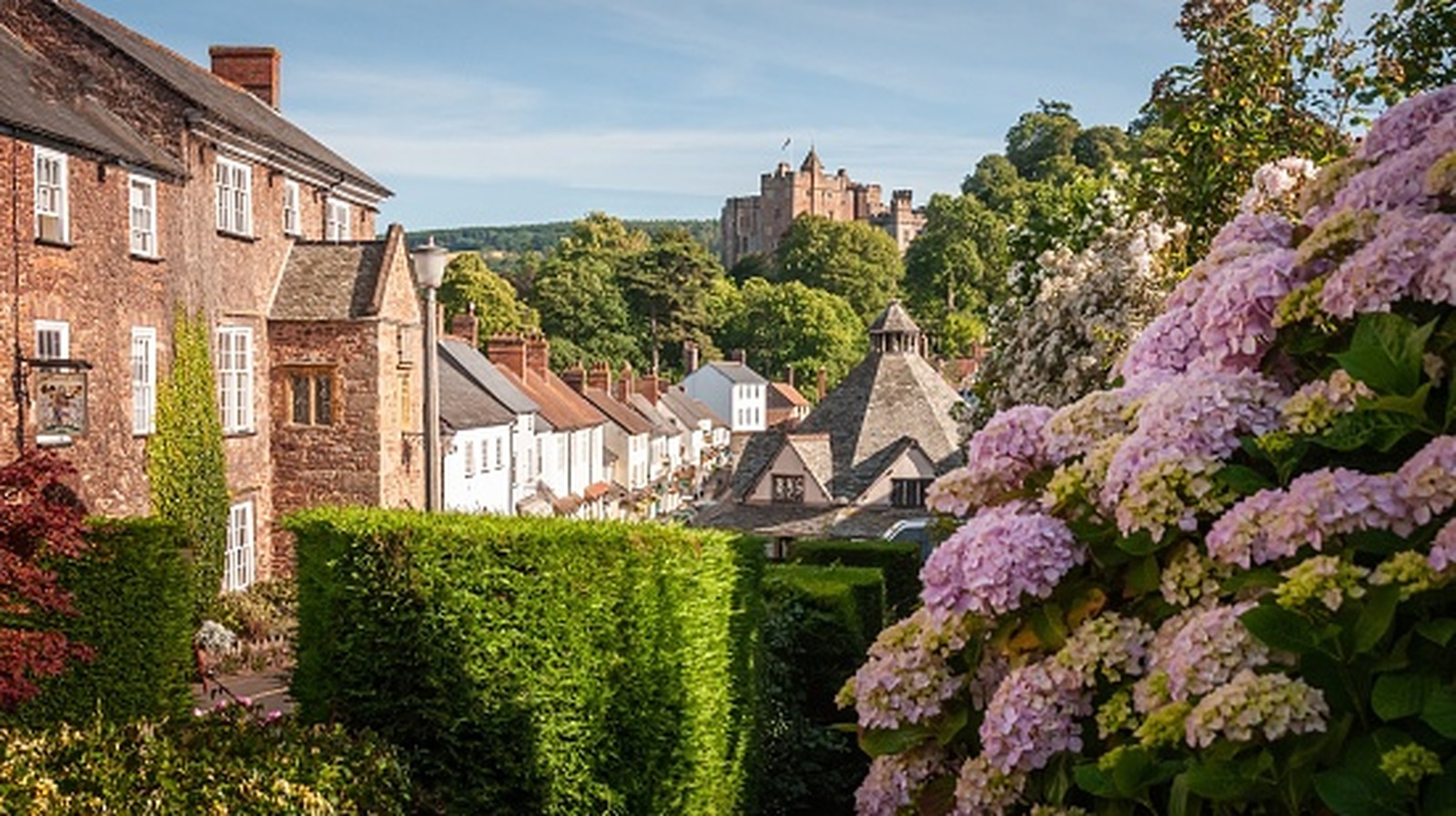
Historic pubs and landmarks across England continue to anchor their communities while adapting to modern needs. From The World's End in Mulbarton—a Grade II-listed pub planning renovations to its beer garden and function room—to Morton Bridge's daily battle with 12,000 vehicles, these buildings reflect England's evolving relationship with its heritage. Islands notes that medieval villages like Dunster remain among England's best-preserved, with shops and stone castles drawing visitors despite their remote locations.
The World's End Pub Revives Its Function Room
Mulbarton's The World's End has won approval for improvements that respect its Grade II listing. The shelter in the beer garden will be replaced, and a function room unused for two decades will reopen. Restrooms will be upgraded. The pub's history runs deep—it once housed an Oddfellows lodge and bowling green, later hosting the British Legion and local boxing clubs. During World War II, American servicemen from nearby Hethel airfield made it a popular gathering spot.
Morton Bridge Handles Heavy Traffic and Mounting Damage
Morton Bridge, a Grade II-listed crossing designed by John Carr, carries roughly 12,000 vehicles daily. It is the only River Swale crossing between Great Langton and Skipton on Swale, making it critical infrastructure. The bridge repeatedly requires closure after vehicle strikes and collision damage. Speeding, flooding, and safety concerns add to maintenance costs for taxpayers. Each closure disrupts traffic between Northallerton and Wensleydale.
Salisbury's Pubs Transformed Into Homes and Businesses
Many of Salisbury's historic pubs have closed and been converted into residences or shops. The Antelope Inn once served as a coaching station with stables for about 50 horses. The Brewery Tap was Salisbury's last pub selling rough cider before closing in 1972. These closures reflect broader changes in how communities use their heritage buildings—from drinking establishments to offices, apartments, and vacant properties waiting for new purpose.
Dallington's Industrial Past Embedded in Landscape
Dallington's rural heritage spans centuries. Two suspected iron-smelting bloomery furnaces date to the medieval period. A later blast furnace, an 18th-century watermill, and a 19th-century smock mill mark industrial growth. Charcoal production from local forests supplied nearby ironworks including the Heathfield and Ashburnham furnaces. The Swan Inn, a longstanding village pub, anchors Dallington's civic identity. Woman and Home highlights how converted rural properties preserve this heritage while adapting to modern residential use.
Sentiment
Mostly PositiveNEGATIVENEUTRALPOSITIVE
Publishers
16
Articles
20
Reach
36
A
AnonymousAuthor


