Sanctuary Policies and ICE Arrests
Sanctuary Policies Keep Prisoners in Local Jails Away From ICE
Anonymous
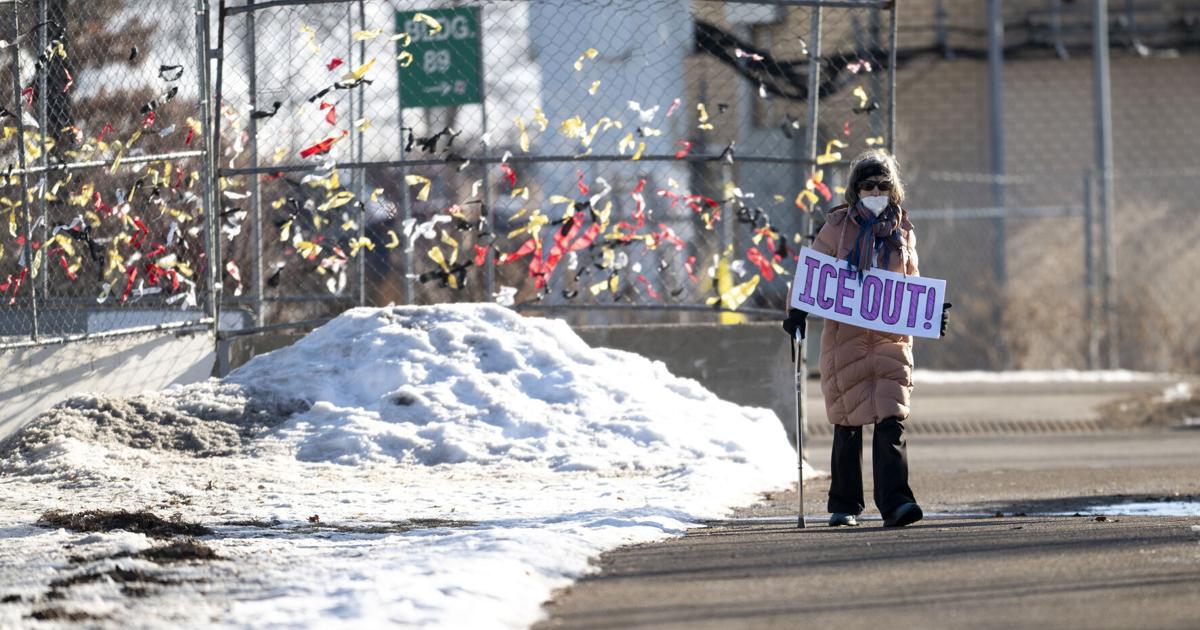
Sanctuary policies are working as designed. States like Oregon, Connecticut, Massachusetts, New York, and Washington have among the lowest immigration arrest rates in local jails, according to Stateline analysis. Meanwhile, states without these protections—Wyoming, West Virginia, Mississippi, and Alabama—see far higher jail-based arrests. But the Trump administration's response has been to shift tactics: targeting street arrests in sanctuary states instead Stateline data shows.
Jail Transfers Drop Where Sanctuary Laws Take Hold
Sanctuary policies prevent local jails from handing over detainees to Immigration and Customs Enforcement without a warrant. Stateline's analysis of data through March 10, 2025, confirms these laws work. Five sanctuary states—Oregon, Connecticut, Massachusetts, New York, and Washington—recorded the lowest immigration-related jail arrests in the nation. States without such protections reported dramatically higher numbers of people arrested inside jails and transferred to ICE.
Non-Sanctuary States Show Highest Jail Arrest Rates
Wyoming, West Virginia, Mississippi, and Alabama—states with few or no sanctuary restrictions—led the nation in jail-based immigration arrests. These states allow local police and jails to cooperate freely with ICE, making incarcerated immigrants vulnerable to deportation. New Mexico, a border state with some statewide restrictions, still recorded high arrest rates, suggesting geography and enforcement priorities also play a role Stateline found.
Trump Administration Shifts to Street Arrests in Sanctuary States
Early threats to target sanctuary states had uneven results. The administration promised to increase enforcement in states with protective policies, but rather than changing jail practices, agents focused on street arrests. Sanctuary states that limit jail transfers saw high rates of street-based immigration arrests last winter Stateline reported, suggesting ICE shifted its strategy rather than breaking sanctuary laws.
Data Reveals Enforcement Patterns Since Trump Took Office
The Deportation Data Project released ICE statistics covering arrests since January 20, 2025—Trump's first day in office. The findings show sanctuary policies remain intact and effective at the local level. But the administration's response demonstrates a key reality: blocking one avenue for deportation forces agents to pursue others. Sanctuary protections shield jailed immigrants from ICE but cannot stop street-level enforcement.
Sentiment
NeutralNEGATIVENEUTRALPOSITIVE
Publishers
19
Articles
19
Reach
19
A
AnonymousAuthor


