Earnings-Based Loan Eligibility
New Department of Education Rule Ties Federal Student Loans to Graduate Earnings
Anonymous
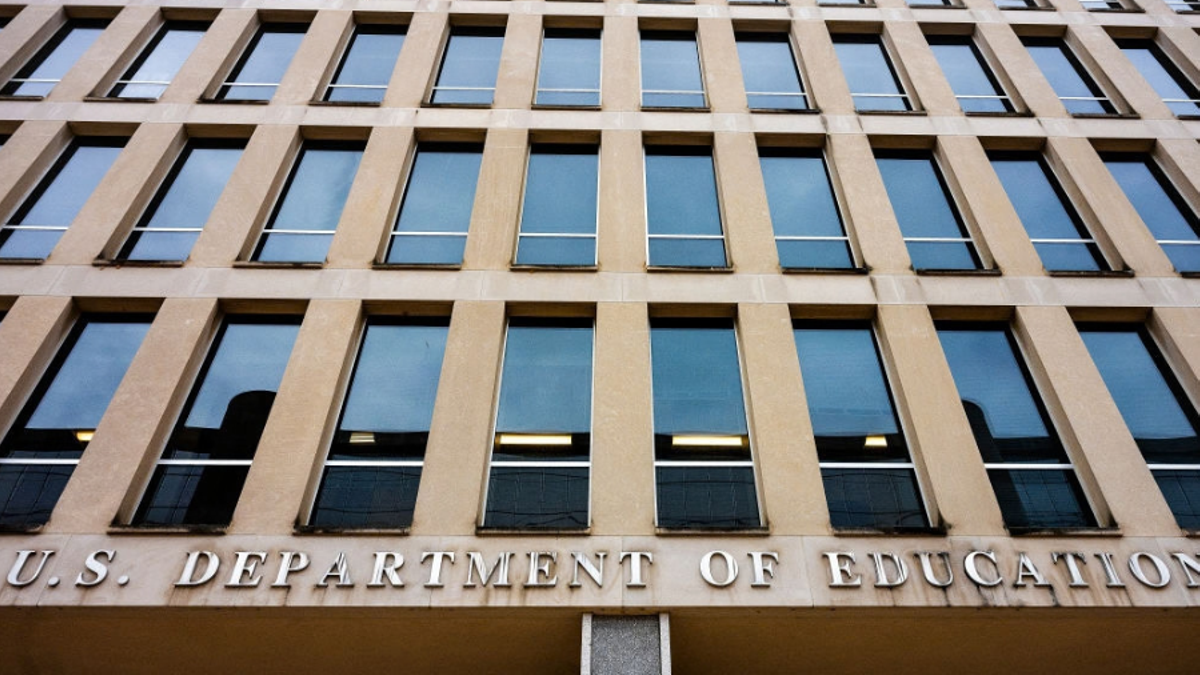
A Department of Education rule scheduled to take effect July 1, 2027, will make federal Direct Loan eligibility for programs depend on whether graduates earn more than comparable adults with only a high school diploma—or, for graduate programs, a bachelor’s degree. The department will use tax data on earnings four years after completion; programs that fail in two of three consecutive years would lose loan eligibility for at least two years, and colleges could face broader aid consequences if low-earning programs make up a large share of their students or federal aid. The department estimates that 93% of tested cosmetology certificate programs will fail, while other estimates suggest about 3% of programs at public and nonprofit institutions and roughly one-third at for-profit colleges could fail, potentially affecting 4.2% of federal-loan recipients. Some programs in heavily tipped occupations receive a delay. The rule does not ban majors or dictate curricula; supporters say it protects students and taxpayers from financing programs with poor financial outcomes, while critics warn earnings-based measures could disadvantage socially valuable fields such as social work, teaching, the arts and religious studies.
Key Points
1
The rule is described as an extension of “gainful employment” regulations associated with the Obama and Biden administrations.
2
One account specifies that the earnings comparison uses workers ages 25 to 34: program graduates’ earnings are compared with those of high-school-only workers in that age group, and graduate programs with bachelor’s-degree holders in the same age group.
3
The Education Department’s April 2026 description said programs that repeatedly fail to provide a reliable return could lose access not only to federal student loans but, in certain cases, to Pell Grants.
4
The April 2026 announcement placed the proposal against a backdrop of federal student loans nearing $1.7 trillion.
Sentiment
Mostly NegativeNEGATIVENEUTRALPOSITIVE
Publishers
20
Articles
14
Reach
34
Topics
A
AnonymousAuthor


