Kennedy Center Ceiling Collapse
Kennedy Center Ceiling Collapses Into Grand Foyer Following Severe Washington Storms
Anonymous
Key Points
1
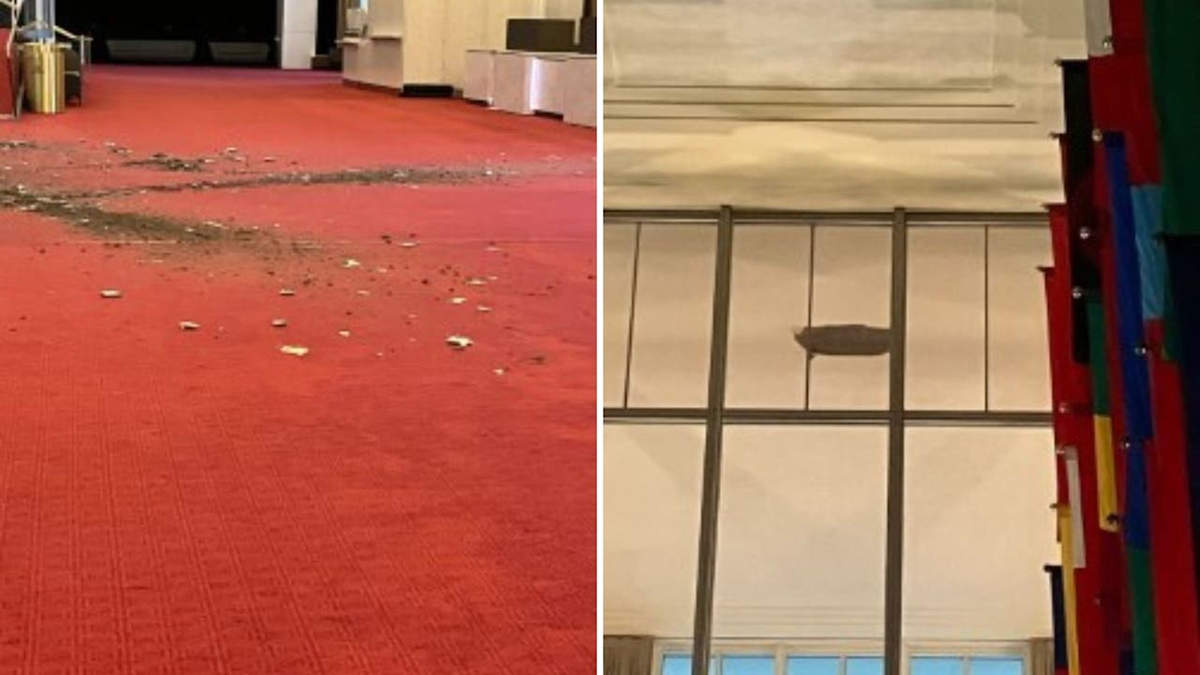
The ceiling section fell at approximately 5 p.m. Friday, and photographs showed debris scattered across the Grand Foyer carpet beneath a visible hole in the ceiling.
2
A Kennedy Center source attributed the collapse to water damage caused by the recent severe storms, although other reports said officials had not yet confirmed the cause.
3
The center’s closure notice said the shutdown was intended to protect “staff, contractors, and any other personnel” while the Operations and Maintenance team evaluated and addressed the conditions.
4
The collapse occurred in the same Grand Foyer where Rep. Joyce Beatty had posed for photographs two days earlier. Beatty has challenged the proposed two-year closure, and a federal judge previously blocked the initial closure plan while allowing the board to reconsider it after a more thorough review.
5
The Kennedy Center had not provided an estimate for when the Grand Foyer would reopen; access was to remain restricted until the Operations and Maintenance team determined that the area was safe to occupy.
A section of the Kennedy Center's ceiling collapsed into the Grand Foyer on Friday evening after severe storms swept through Washington, D.C. Newsmax reports no one was injured, but debris scattered across the red carpet and a visible hole in the ceiling forced officials to close the main building overnight. The incident has reignited calls for a major renovation and President Trump's proposed two-year shutdown, though the formal cause of the collapse has not been confirmed.
Kennedy Center leaders attributed the damage to water intrusion from recent storms, according to WRAL. A federal judge had previously blocked an initial closure plan, requiring the board to conduct a more thorough review before pursuing it again. The collapse raises questions about deferred maintenance at the historic arts venue and whether a lengthy shutdown is truly justified.
Debris and Water Damage Close the Grand Foyer
The ceiling section fell at approximately 5 p.m. Friday, leaving a large hole visible from below. AJC reports debris covered the red carpet in the main hallway, and the Operations and Maintenance team was immediately tasked with safety inspections. Officials closed access to protect staff and contractors while repairs were evaluated, with no reopening date announced yet.
Storm Damage Exposes Years of Deferred Maintenance
Water intrusion from severe weather can expose hidden weaknesses in aging roofs, ceilings, and drainage systems that remain invisible during normal operations. WBAL notes the damage underscores the need for comprehensive renovation. The incident converted a weather event into a safety and reputational risk, forcing restricted access and renewed scrutiny of the Kennedy Center's capital-planning decisions.
Renovation Dispute Intensifies Despite Uncertain Cause
Kennedy Center leaders immediately renewed calls for President Trump's proposed two-year shutdown and modernization plan. News.ssbcrack reported that Roma Daravi, the center's vice president for public relations, highlighted the need for urgent repairs. However, critics note the collapse affected only one isolated area, and the main building was expected to reopen quickly, raising questions about whether a lengthy full closure is necessary.
A federal judge had previously blocked the initial closure plan while requiring the board to conduct a more thorough review before pursuing it again. Rep. Joyce Beatty had challenged the proposed two-year shutdown just two days before the collapse occurred in the same Grand Foyer where she had posed for photographs. The incident has become a flashpoint in a governance debate over how to balance public access with legitimate facility needs and independent engineering evidence.
Sentiment
Mostly NegativeNEGATIVENEUTRALPOSITIVE
Publishers
28
Articles
191
Reach
219
A
AnonymousAuthor


