UN Security Council Bid
Australia Launches Diplomatic Campaign for 2029-30 UN Security Council Seat
Anonymous
Key Points
1
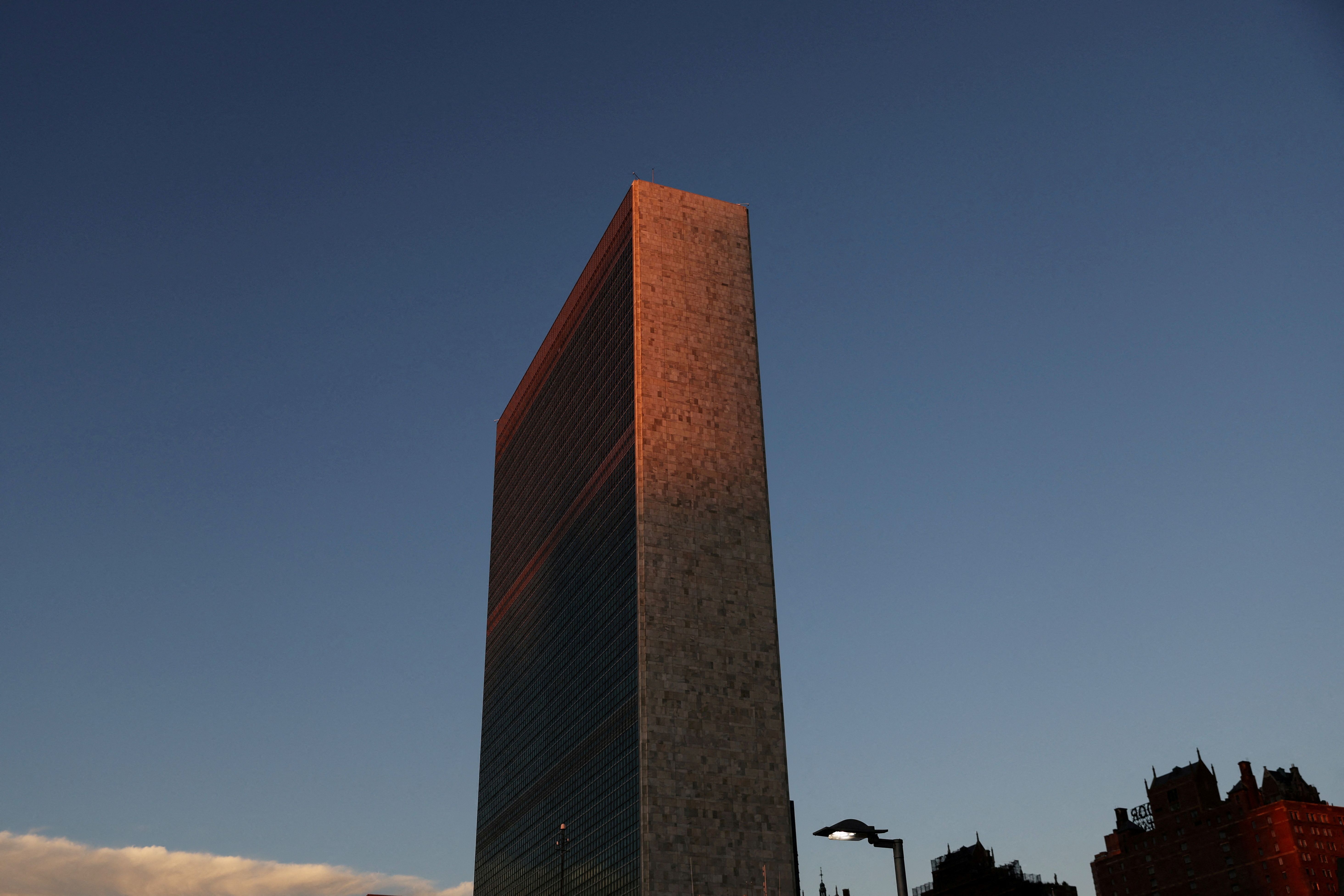
The Security Council can impose sanctions, establish peacekeeping operations and, in some circumstances, authorize the use of force; unlike most UN bodies, its decisions can be binding on member states.
2
Australia’s previous Security Council term in 2013-14 coincided with the downing of Malaysia Airlines Flight MH17, which had Australians onboard—an episode that underscored the council’s relevance to issues directly affecting Australia.
3
Australia’s bid is competing within a regional allocation system intended to ensure that the Security Council reflects a broad geographic representation; the council’s 10 elected members serve two-year terms, with five seats changing each year.
4
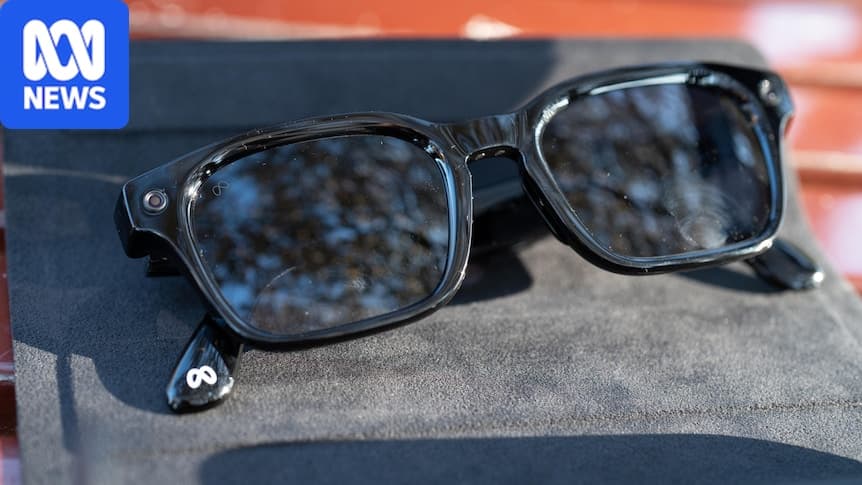
Apple chief executive Tim Cook invited Albanese to visit after their June discussion of Australia’s world-first social-media restrictions for under-16s, and Apple said its parental-control measures were partly inspired by the Australian policy.
5
Beyond the under-16 social-media restrictions, Australia plans to promote a digital duty of care requiring technology companies to remove harmful content, user options to opt out of algorithmic feeds, and proposed AI standards involving renewable-energy use and obligations for data centers to underwrite new power supply.
Australia is bidding for a UN Security Council seat in 2029-30, MarketScreener reported. Prime Minister Anthony Albanese is campaigning to restore Australia's presence on the powerful council for the first time since 2013-14. If successful, Australia would gain a non-permanent seat and a vote on international peace and security issues—though not the veto power held by the five permanent members.
Albanese is pitching Australia as a leader on online safety, artificial intelligence, cyber threats, and climate action. The bid requires support from two-thirds of eligible General Assembly voters in 2028. During his U.S. visit, Albanese is meeting with technology leaders, including Apple, to discuss protecting children online and Australia's groundbreaking social media ban for under-16s.
What Makes the Security Council So Powerful
The UN Security Council can impose international sanctions, authorize peacekeeping operations, and order military action. Unlike most UN bodies, its decisions are binding on all member states. The council has 15 members: five permanent seats with veto power (United States, China, Russia, United Kingdom, France) and 10 rotating non-permanent seats.
The 10 elected members serve two-year terms, with five seats changing each year. A regional allocation system ensures geographic diversity. Australia's last council term, in 2013-14, showed how directly relevant the body can be—the council addressed Malaysia Airlines Flight MH17, which killed Australian citizens and put the country at the center of a major crisis.
Australia's Tech-Forward Diplomatic Pitch
Australia is framing its council bid around emerging global challenges. Albanese plans to emphasize online safety, artificial intelligence regulation, cyber threats, and climate action. The country is also positioning itself as a champion for Pacific island nations. This agenda directly ties to Australia's recent moves: a world-first social media ban for under-16s and new digital regulations.
Apple chief executive Tim Cook invited Albanese to visit the U.S. after discussing Australia's under-16 social media restrictions. Apple said its own parental-control measures were partly inspired by Australian policy. Australia plans to push for a "digital duty of care" requiring tech companies to remove harmful content and give users options to avoid algorithmic feeds.
Australia's Proposed AI and Data Center Standards
Beyond social media restrictions, Australia is developing broader AI standards. The country wants to establish rules around renewable-energy use for AI systems and require data centers to fund new power-supply infrastructure. These proposals position Australia as a leader in responsible tech governance—a key argument for a Security Council seat.
The Path to Victory: 2028 General Assembly Vote
Australia must win approval from two-thirds of eligible General Assembly voters in 2028 to secure the 2029-30 seat. The country faces competition within its regional bloc for the available non-permanent seats. Success would mark Australia's return to the council after a 15-year absence and give Canberra direct influence over global peace and security decisions.
Sentiment
Mostly NegativeNEGATIVENEUTRALPOSITIVE
Publishers
29
Articles
122
Reach
151
A
AnonymousAuthor