Haiti Gang Attack Funeral
Hundreds gather in Haiti to mourn victims of a brutal gang attack
Anonymous
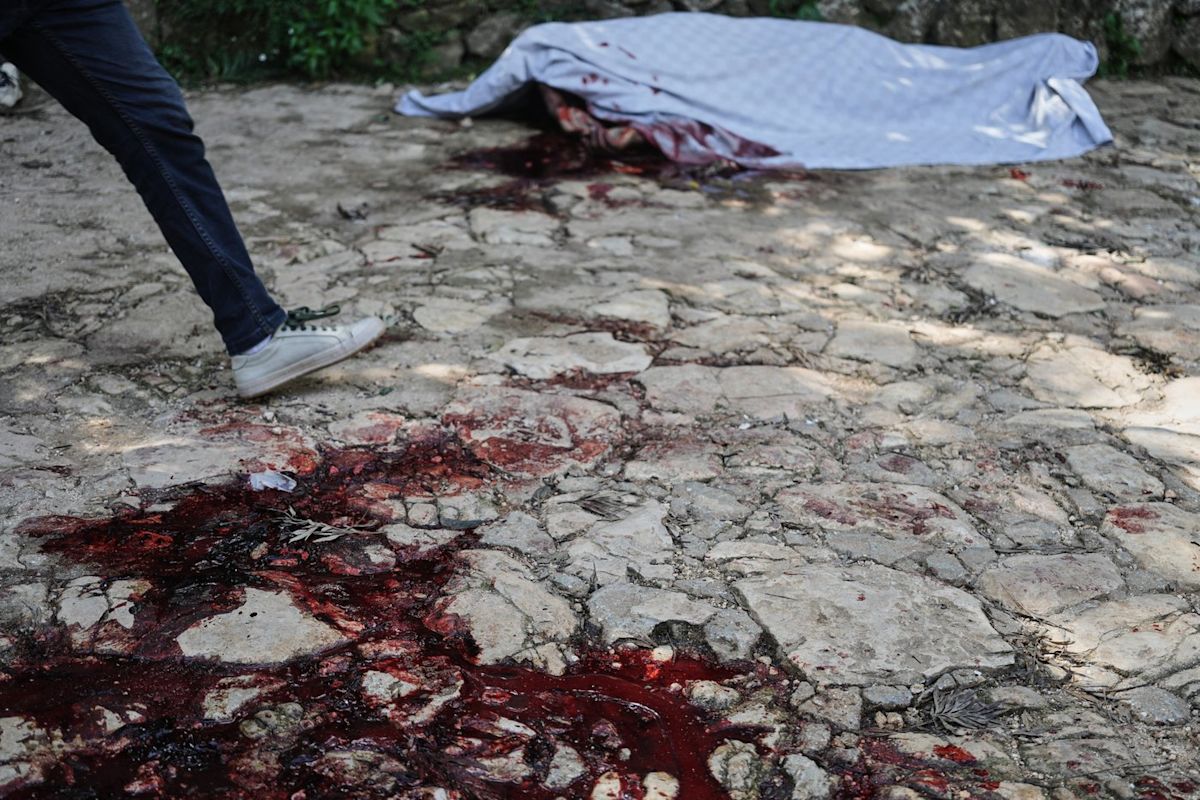
Hundreds of mourners gathered at a church near Haiti's capital for the funeral of four victims of a brutal gang attack that killed 47 people. AP News reported that the church was so packed that dozens had to stand outside as coffins arrived. The victims included a mother, father, and their son, along with a 70-year-old man whose body was set on fire by gang members.
The attack ranks among the biggest mass kidnappings Haiti has seen in recent years. The Independent noted that survivors blamed police for failing to prevent the violence. The U.N. Human Rights Office reported that 150 heavily armed gang members participated in the assault, executing 22 victims on a church courtyard and 12 others behind the building.
A Community Mourns Four Among 47
The funeral service brought together hundreds of people to honor the dead. Yahoo News Canada reported that the church in Kenscoff could not contain the crowd of grieving mourners. The four people being laid to rest represented just a fraction of the total death toll. Family members wept as coffins were carried into the overflowing sanctuary.
Among the victims was an entire family. A mother, father, and their son all lost their lives in the violence. An elderly man, age 70, also died in the attack. Gang members burned his body as part of their brutal assault. Each death left behind grieving relatives and friends struggling to understand the tragedy.
Armed Gang of 150 Executes Dozens
The U.N. Human Rights Office documented the scale of the violence with chilling precision. The Independent reported that 150 heavily armed gang members carried out the attack. The gang did not use restraint. Twenty-two victims were executed on the church courtyard, executed in broad daylight. Twelve others were killed behind the church building.
The systematic nature of the killings shocked observers worldwide. Gang members did not kidnap people at random. They gathered victims in specific locations and executed them with apparent planning. The violence was not a spontaneous outburst but a coordinated assault. The sheer number of perpetrators — 150 armed individuals — overwhelmed any local resistance.
Police Face Questions Over Failure to Act
Survivors have pointed fingers at Haiti's police force for failing to prevent the massacre. AP News noted that the National Police ordered an internal investigation into the attack. Officials want to determine whether the failure came from complicity with gang members or simple negligence. The distinction matters for public trust and accountability.
The investigation will scrutinize police response times and decision-making. Did officers know about the planned attack and do nothing? Did they lack resources to respond quickly? These questions now dominate public conversation in Haiti. Gang violence has spiraled in recent months, and this attack represents a turning point in the country's security crisis.
Sentiment
NeutralNEGATIVENEUTRALPOSITIVE
Publishers
5
Articles
5
Reach
5
Topics
A
AnonymousAuthor


