Terrorist Leader Killed
Indian Army kills Lashkar-e-Taiba commander and Pahalgam attack mastermind in Kashmir forest operation.
Anonymous
Key Points
1
Officials said Moosa was believed to be a former commando of the Pakistan Army’s elite Special Services Group (SSG).
2
The hunt in Operation Sheruwali lasted more than 45 days, with security forces searching for two trapped militants later identified as Moosa and his associate Yasir.
3
Officials alleged Moosa was involved in about a dozen terror attacks; the Pahalgam attack killed 26 people, mainly tourists, in the meadows of Baisaran.
4
A medical expert said honey’s osmotic properties, acidic pH and antimicrobial components may help create conditions that inhibit microbial growth.
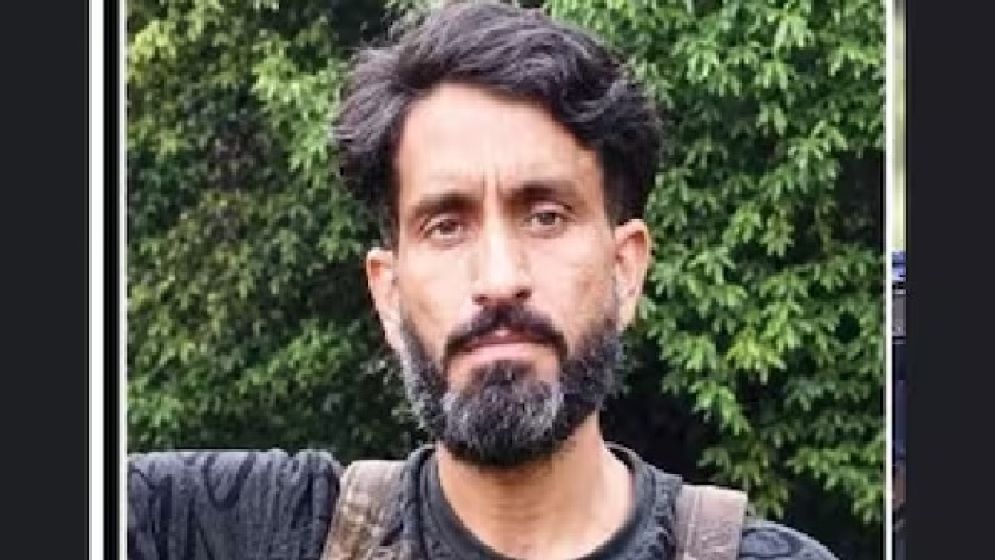
Lashkar-e-Taiba commander Mohd Asif, known as Hashim Moosa, was killed in an Indian Army operation in Yousmarg, Kashmir after a 45-day hunt through dense forests. Times Now News reported that the militant, wanted for masterminding the 2025 Pahalgam attack that killed 26 people, had been wounded in an earlier encounter and treated his gunshot wounds with Ayurvedic honey while hiding in the Poonch-Rajouri region, unable to reach proper medical care.
Officials said Moosa was a former commando from Pakistan's elite Special Services Group. Photographs of his wounds were found on his associate Yasir's phone and sent to handlers in Pakistan, who advised that only pure honey be used. Medical experts acknowledged honey has antimicrobial properties but stressed that gunshot wounds require proper clinical treatment, not traditional remedies.
A 45-Day Hunt Across Mountain Forests
Security forces launched Operation Sheruwali to hunt two trapped militants hiding in Kashmir's rugged terrain. Firstpost reported the operation lasted more than 45 days as troops searched the Yousmarg forests in Budgam district. The militants had been cornered after an earlier firefight left Moosa wounded. He and associate Yasir remained hidden in the dense forest, cut off from any outside help or medical facilities.
Honey Treatment Discovered Through Phone Evidence
When security forces killed Moosa and recovered the militants' phones, investigators found photographs documenting his bullet wounds. Daily Sun reported that images were shared with handlers in Pakistan via messaging apps. Pakistani commanders instructed Yasir that only pure, high-quality honey should be applied to the wounds. This unusual detail offered a rare glimpse into how the cornered terrorist tried to survive without medical help.
Mastermind of Deadly Pahalgam Attack
Moosa was believed responsible for roughly a dozen terror attacks across the region. ETV Bharat identified him as the chief operational commander of Lashkar-e-Taiba in Kashmir. His most notorious attack came in 2025 in Pahalgam, a popular tourist destination. The strike killed 26 people—mostly visitors to the meadows of Baisaran—making it one of the deadliest militant operations in recent years.
Why Honey Cannot Replace Medical Care
Medical experts say honey does have real antimicrobial properties. Its osmotic effect, acidic pH, and natural compounds can slow bacterial growth in minor wounds. However, gunshot injuries involve deep tissue damage, internal bleeding, and infection risk that require surgery and antibiotics. Doctors stressed that only sterile, medical-grade honey used in controlled clinical settings has any place in wound care. Applying honey in a forest hideout poses serious infection and sepsis risks.
Sentiment
Mostly NegativeNEGATIVENEUTRALPOSITIVE
Publishers
10
Articles
14
Reach
24
A
AnonymousAuthor


