European Stocks Rebound as Oil Prices Ease
European Stocks Rebound as Oil Prices Ease
Anonymous
Key Points
1
Friday’s sell-off was triggered in part by Saudi Aramco suspending European crude allocations after strikes on its East-West pipeline; on Monday, oil prices fell as supplies appeared to be bypassing Middle Eastern maritime bottlenecks.
2
Tehran reportedly conveyed conditions to U.S. mediators for ending the war, raising hopes that the Strait of Hormuz could eventually reopen and further improving market sentiment.
3
Technology stocks were the strongest-performing European sector, gaining about 2%, with chip-related companies such as Soitec and Aixtron among the beneficiaries; travel stocks also rose 0.86% as lower fuel costs supported airlines, while energy shares fell 0.62%.
4
The German election setback included the CDU falling out of the Mecklenburg-Western Pomerania state parliament for the first time and losing ground in Berlin to Die Linke; projections also showed the far-right AfD emerging as the largest party in the northeastern region.
5
Bond yields eased alongside the equity rebound: Germany’s 10-year yield fell to about 3.47% from roughly 3.51% on Friday, while U.S. 10-year Treasury yields remained near 4.97%; positive Asian technology shares and stronger U.S. equity futures also reinforced the recovery.
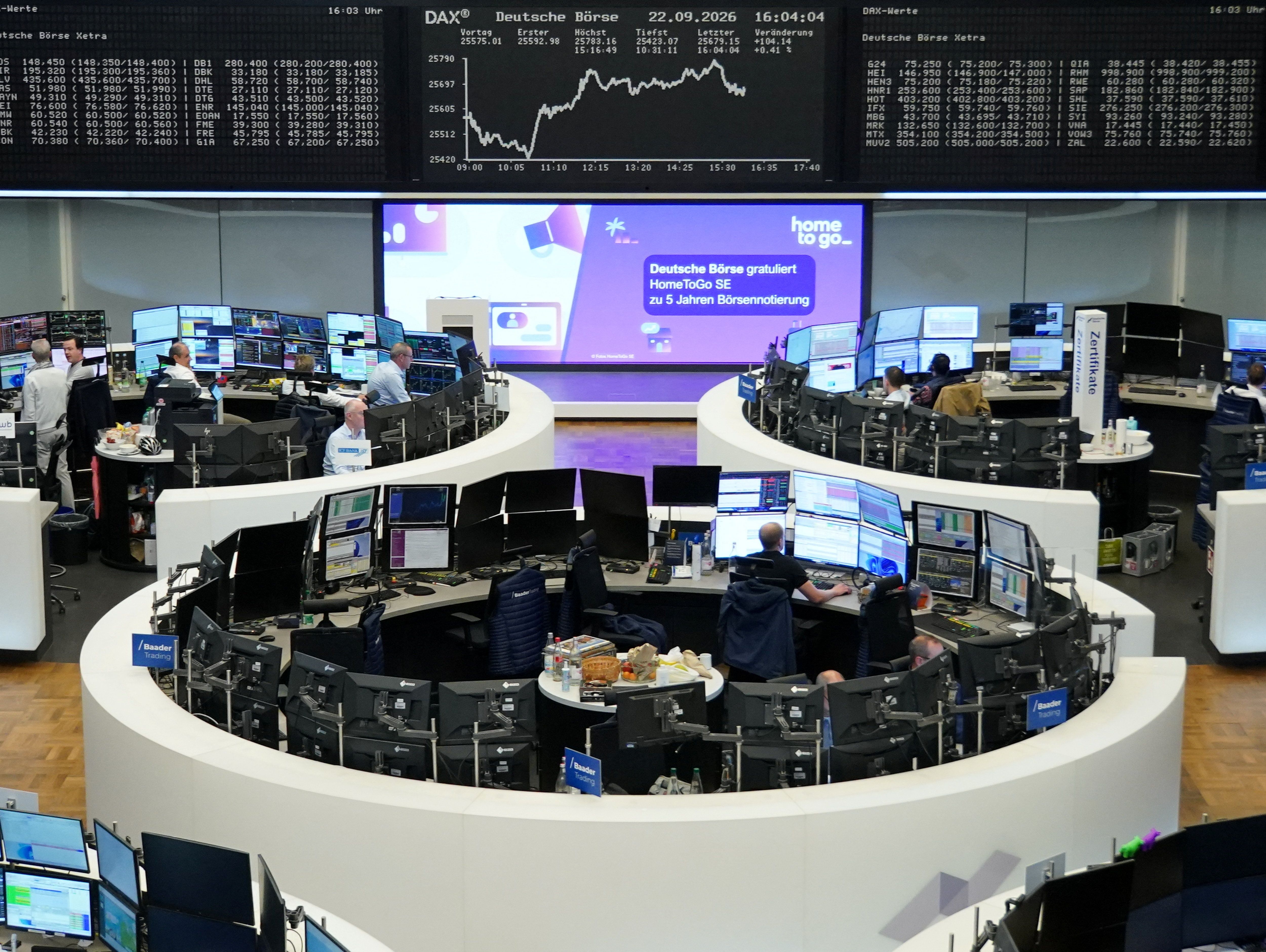
European stocks rebounded Monday as oil prices fell for a fourth straight day, easing inflation worries after last week's sharp sell-off. Market Screener reported the STOXX 600 index climbed 0.4% to 645.04 points, with technology, travel, and industrial shares leading the gains. The rebound came as crude supplies bypassed Middle Eastern bottlenecks and Tehran signaled willingness to negotiate an end to regional conflict.
Energy stocks lagged the broader market, falling 0.62%, while German equities recovered despite political turbulence. Market Screener noted that lower bond yields and strength in U.S. and Asian markets bolstered investor confidence. Traders now await interest-rate guidance from the European Central Bank and watch for a potential Trump-Xi meeting later this week that could reshape global trade relations.
Oil Supplies Bypass Strait Bottlenecks, Easing Energy Fears
Friday's market slide was sparked by Saudi Aramco halting crude shipments to Europe after strikes damaged its East-West pipeline. On Monday, oil prices retreated as alternative supply routes opened. Market Screener reported that Tehran conveyed negotiation terms to U.S. mediators, raising hopes the Strait of Hormuz could reopen soon. This prospect alone lifted investor sentiment and reduced pressure on energy-dependent sectors across the continent.
Tech and Travel Stocks Lead European Recovery
Technology shares surged about 2%, making them the strongest European sector. Market Screener highlighted chip companies Soitec and Aixtron as standout gainers. Travel stocks rose 0.86% as lower fuel costs made airline tickets cheaper and more appealing to consumers. Meanwhile, energy shares sank 0.62%, reflecting investor skepticism about oil majors as crude prices fall and geopolitical tensions ease.
Germany's Political Shock Has Muted Market Fallout
Chancellor Friedrich Merz's ruling conservatives lost ground in regional elections, raising fresh questions about coalition stability and reform prospects. Market Screener noted the CDU dropped out of the Mecklenburg-Western Pomerania state parliament for the first time. The far-right AfD emerged as the largest party in the northeastern region. Despite these setbacks, the DAX recovered as bond yields fell and global risk appetite returned. Markets absorbed the political noise without major disruption.
Bond Yields Fall as Inflation Concerns Ease
Germany's 10-year bond yield dropped to 3.47% from 3.51% Friday, signaling renewed investor confidence. Market Screener reported U.S. 10-year Treasury yields held near 4.97%, supported by positive Asian tech stocks and stronger U.S. equity futures. Lower yields reduce borrowing costs for companies and governments, fueling appetite for riskier assets like stocks. The European Central Bank remains focused on inflation above target but may face pressure to adjust rates if energy costs keep falling.
Sentiment
Mostly NegativeNEGATIVENEUTRALPOSITIVE
Publishers
16
Articles
75
Reach
91
A
AnonymousAuthor


