Mortgage Rates Surge
Mortgage rates reach their highest level since 2025, worsening the housing affordability crunch.
Anonymous
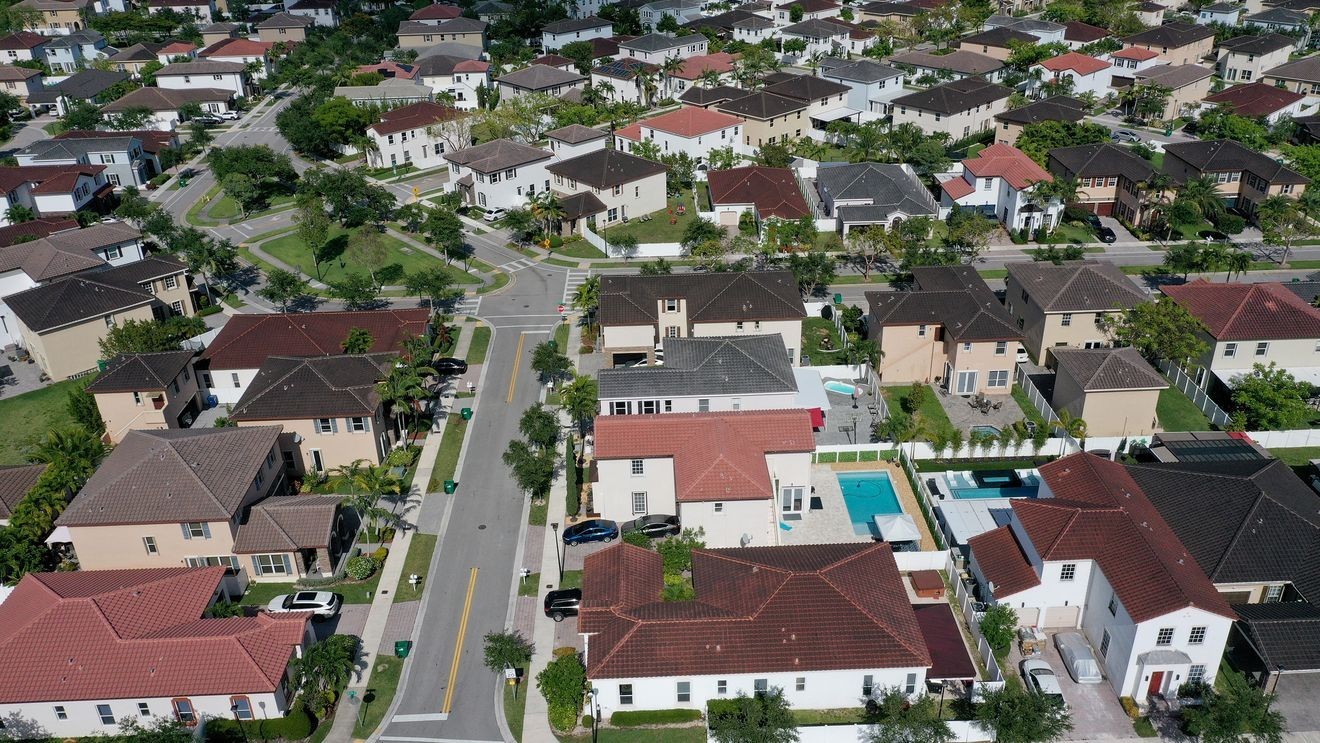
Mortgage rates have climbed to their highest level in over a year, pushing the average 30-year fixed-rate mortgage to 6.71%, according to Freddie Mac. The surge stems from turbulence in the bond market and growing expectations that the Federal Reserve will raise interest rates. Higher rates mean bigger monthly payments — often hundreds of dollars more — making homeownership unaffordable for millions of buyers.
The housing market is trapped in a squeeze. Median home values now exceed $400,000 nationally. With steep asking prices and elevated mortgage rates, fewer people can qualify or afford to buy. Home sales have flatlined since 2023, leaving properties sitting unsold as the affordability crisis deepens.
Bond Market Turmoil Drives Rate Spike Upward
Turmoil in the bond market has triggered the mortgage rate jump. When bond prices fall, mortgage rates rise in lockstep. Fox 11 Online reported that investor concerns about inflation and anticipated Federal Reserve rate hikes have unsettled bond trading. This pushes lenders to charge more for new mortgages.
Hundreds More Per Month Prices Homebuyers Out
A rate jump to 6.71% adds substantial cost to monthly payments. On a $400,000 home, borrowers now pay roughly $2,650 per month in principal and interest alone — a steep climb that excludes taxes, insurance, and HOA fees. KUTV noted that these higher payments shrink the pool of people who can qualify for a loan. Many buyers face a simple math problem: the house they want now costs too much.
Housing Market Stuck in Years-Long Slump
The housing market has struggled since 2023. Home sales have remained flat while asking prices stayed high. Sellers expect peak-era prices. Buyers lack the cash or borrowing power. Local 12 reported that homes linger on the market longer. Inventory piles up as frustration grows on both sides.
This stalemate traps first-time buyers and families. A young couple that could afford a home two years ago at 3% rates cannot compete today at 6.71% rates. The Fed's grip on rates has reshaped who wins and loses in the housing game.
Fed Rate Expectations Could Push Rates Even Higher
Markets are pricing in a Federal Reserve rate increase. Turnto10 reported that inflation concerns continue to haunt policymakers. If the Fed raises its benchmark rate, mortgage rates will likely climb further. Even a 0.25% bump could add $50–$100 to monthly payments for most borrowers. The affordability crisis risks deepening.
Sentiment
NeutralNEGATIVENEUTRALPOSITIVE
Publishers
15
Articles
14
Reach
15
A
AnonymousAuthor


