Pentagon Leak Investigation
Pentagon polygraphs fifty military officials following leaked reports of Iran munitions shortages.
Anonymous
Key Points
1
The Joint Staff includes roughly 1,500 to 2,000 officers and officials, meaning the polygraph sweep covered only a fraction of the personnel who advise the president and coordinate military operations.
2
The mass testing was described as unprecedented in the modern history of the senior U.S. military; some observers said it could be intended not only to identify a leaker but also to deter future disclosures.
3
The polygraph inquiry followed other unauthorized disclosures, including a leaked section of the Secretary of Defense’s Orders Book; the document reportedly showed six four-star military leaders opposing an extension of large-scale operations against Iran.
4
The investigation unfolded amid mounting anger inside the Trump administration over reports that the Iran war was placing pressure on U.S. weapons inventories, rather than being solely a routine internal security review.
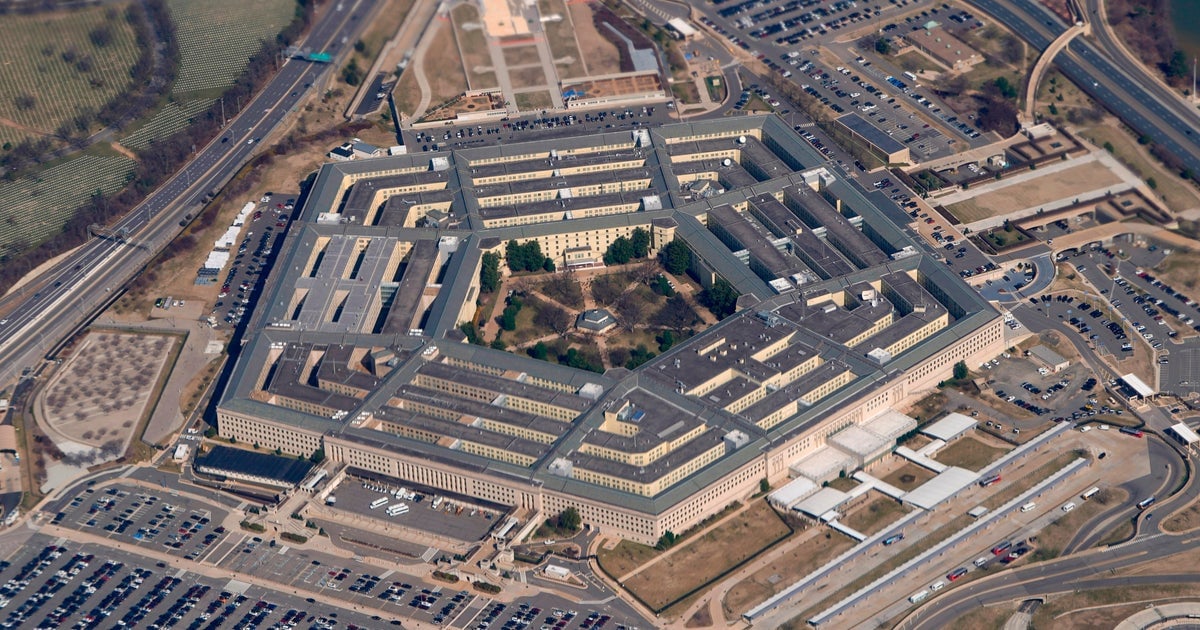
The Pentagon tested about 50 military officers and civilian workers with lie detector machines in August. Al Jazeera reported the polygraph sweep targeted people on the Joint Staff who may have leaked classified information to journalists. The leaked reports claimed the U.S. was running low on long-range missiles and Patriot air-defense interceptors during the war with Iran.
None of those tested failed their polygraph exams, Yahoo News reported. The military conducted the tests themselves instead of calling in the FBI. The broad investigation also examined whether a foreign spy could have accessed the weapons data. Pentagon spokesman Sean Parnell said the department treats classified leaks with extreme seriousness.
An Unprecedented Mass Testing Operation
The Pentagon's decision to polygraph 50 officials marks an extraordinary moment in modern military history. Al Jazeera noted the scope of the investigation covered only a fraction of the roughly 1,500 to 2,000 people who work on the Joint Staff advising the president. Security experts suggested the mass testing may aim not just to find a leaker, but to prevent future disclosures through fear.
Joint Chiefs Chairman General Dan Caine was not included in the polygraph sweep, Yahoo News reported. The unusual breadth of the investigation raised questions about whether officials feared multiple people might be responsible for the leaks.
Leaked Reports on Weapons Shortages Sparked the Probe
The investigation began after news stories revealed that U.S. weapons stocks were shrinking due to the Iran war. AAJ TV reported the polygraphs focused on whether personnel had disclosed classified material about depleted munitions to news outlets. The leaked information specifically covered shortages of long-range missiles and Patriot air-defense interceptors.
President Donald Trump rejected the reports of shortages and called the leaks treasonous. The investigation followed another unauthorized disclosure involving the Secretary of Defense's Orders Book, which revealed six four-star generals opposing an expansion of large-scale operations against Iran.
Trump Administration Anger Over War's True Costs
The Pentagon's polygraph investigation unfolded amid growing frustration inside the Trump administration over reports that the Iran war was draining U.S. weapons inventories. SSB Crack reported the probe marked a significant escalation in efforts to address leaks of classified information. Officials worried that public awareness of weapons shortages could weaken support for the military campaign.
The unusual scale of the lie detector sweep signaled the administration's determination to stop future disclosures. No polygraph failures emerged from the August testing, yet the investigation continued as officials examined whether foreign intelligence services might have accessed the restricted weapons data.
Sentiment
Mostly NegativeNEGATIVENEUTRALPOSITIVE
Publishers
18
Articles
11
Reach
29
A
AnonymousAuthor


