Defence Spending Target Delayed
Chancellor Healey shelves the three percent defence target to address the funding gap.
Anonymous
Key Points
1
The defence investment plan funding gap is reported to be up to £15bn, significantly larger than the roughly £5bn gap previously cited, underscoring a sizable funding shortfall that will shape early Budget decisions.
2
A pathway to meeting 3% of GDP on defence is expected to be outlined at the 2027 spending review, rather than in the October Budget.
3
Healey has framed fiscal discipline as the top priority, noting the financial pressures from ongoing global conflicts while outlining defence funding as a central objective.
4
Institute for Fiscal Studies analysis cited in the coverage estimates the cost of higher defence spending: about £10bn more per year to hit 3% by 2030, and around £25bn more to reach 3.5%, highlighting the scale of the fiscal trade-offs involved.
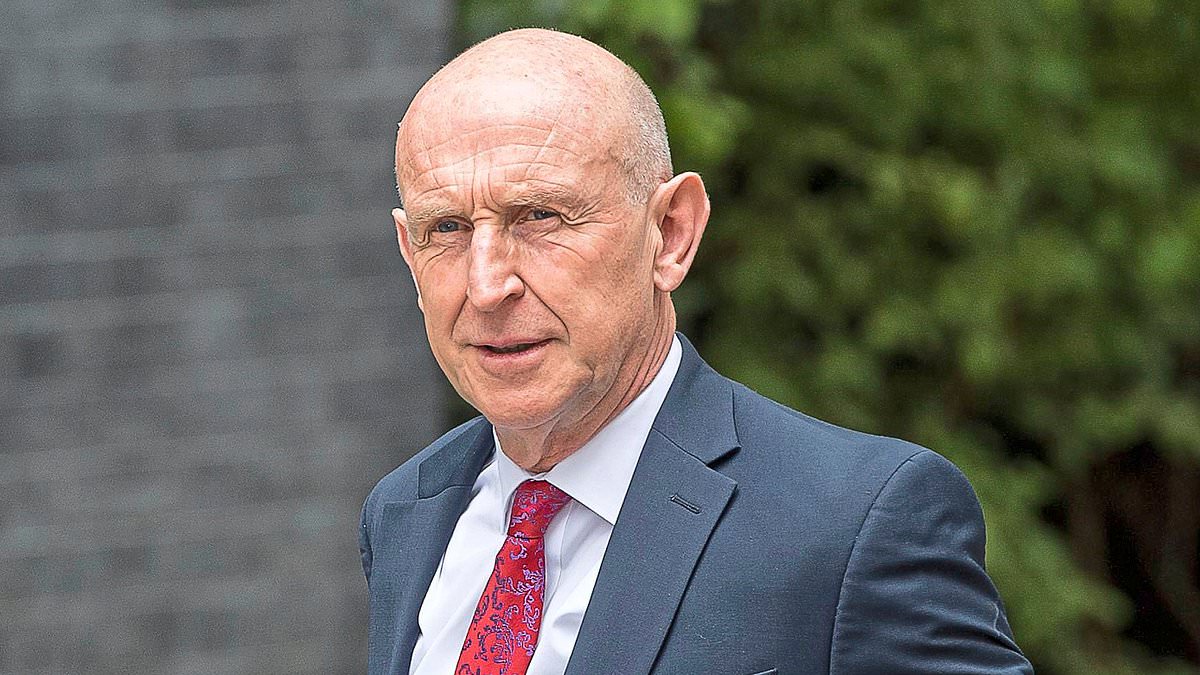
UK Chancellor John Healey is abandoning his pledge to reach 3% of GDP on defence spending by 2030, Daily Mail reported. Instead, the government will focus on plugging an immediate £5 billion equipment funding gap and outline a slower path to 3.5% by 2035 at next year's spending review. The decision marks a sharp reversal from Healey's own target when he served as Defence Secretary.
Healey resigned as Defence Secretary over defence funding concerns, but now faces tighter fiscal constraints as Chancellor. Institute for Fiscal Studies analysis shows hitting 3% by 2030 would cost roughly £10 billion extra per year, while reaching 3.5% could require £25 billion annually — forcing difficult trade-offs across government spending.
Healey Shelves His Own Defence Target
Order-Order reported that Conservative critics are blasting Healey for abandoning the 3% pledge. Shadow Defence Secretary James Cartlidge accused the Chancellor of breaking a commitment made just months earlier. The government now plans to announce a pathway to 3% on that slower timeline rather than meet it by the original 2030 deadline.
This Is Money noted the decision reflects budget constraints across government. Defence spending is currently projected at 2.7% of GDP by 2030. Healey must balance defence priorities against NHS funding, education, and other demands competing for limited Treasury resources.
A £5 Billion Equipment Crisis Drives October Budget
The immediate crisis is a £5 billion gap in defence equipment funding — roughly £1.2 billion yearly. Daily Mail reported this shortfall will dominate Healey's October Budget decisions. The government must decide which weapons systems and military equipment to buy or delay as fiscal pressures mount.
Broader defence spending increases will wait until the 2027 spending review. UK Head Topics confirmed the government is deferring major uplift decisions, focusing first on stabilising the equipment budget and preventing cuts to existing programs. The three-year delay allows Treasury time to find money elsewhere in the budget.
The Cost of Climbing to 3% or 3.5% of GDP
Reaching even 3% by 2030 requires spending £10 billion more per year than current plans, according to Institute for Fiscal Studies modelling cited by Daily Mail. Climbing to 3.5% by 2035 would demand £25 billion extra annually. These figures underscore why Healey is pushing the timeline back and distributing costs across multiple budget cycles.
Global conflicts and NATO pressure to boost defence are mounting. But This Is Money reported that Healey's fiscal discipline strategy leaves little room for rapid military expansion without cutting other programmes. The Chancellor must convince allies the delayed path still meets security needs while protecting public services.
Sentiment
Mostly NegativeNEGATIVENEUTRALPOSITIVE
Publishers
14
Articles
17
Reach
31
A
AnonymousAuthor


