Malaysia's Rohingya Enforcement
Malaysian Prime Minister Orders Action Against Rohingya Refugees After Public Disruption
Anonymous
Key Points
1
UNHCR warned that rising online hate speech, disinformation and dehumanising narratives targeting Rohingya and other refugees could fuel discrimination offline.
2
UNHCR’s Malaysia registry indicates about 215,600 refugees and asylum-seekers were registered with the agency as of the end of February, with more than half of them Rohingya Muslims from Myanmar.
3
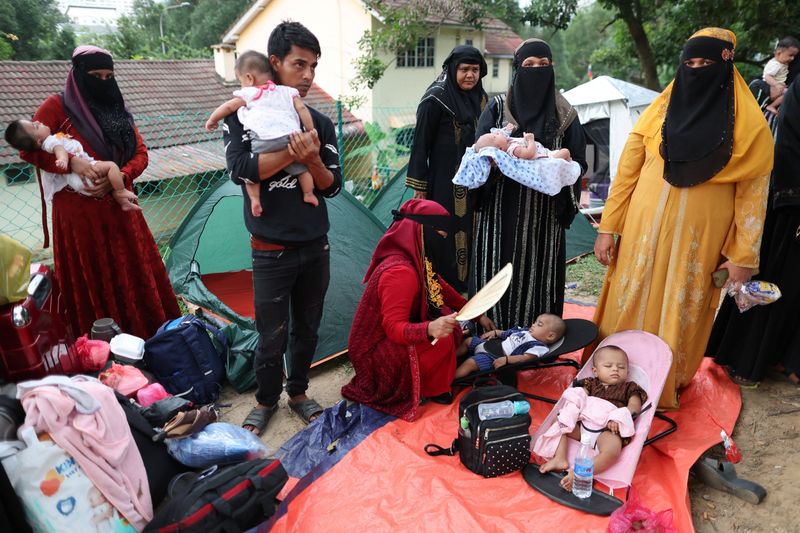
Reports describe hundreds of Rohingya refugees arriving in Kuala Lumpur on three buses from Penang, after being forced out of a settlement there, to seek UNHCR assistance.
4
The gathering took place outside the UNHCR office on Jalan Bukit Petaling in Kuala Lumpur, a detail noted by coverage of the incident alongside traffic disruption.
Malaysian Prime Minister Anwar Ibrahim ordered police, immigration officers, and local authorities to detain Rohingya refugees without valid permits after hundreds gathered outside the UNHCR office in Kuala Lumpur, disrupting traffic and setting up tents on the street. Anwar warned that legal action would follow for anyone who fails to comply, saying refugees "cannot occupy or take over parts of the city."
Media Selangor reported that the refugees were relocated to the Kuala Lumpur police contingent headquarters for documentation. At least 126 people were transferred, according to Head Topics.
Hundreds Bused From Penang to Seek UNHCR Help
Reports say the refugees arrived in Kuala Lumpur on three buses from Penang. They said they had been forced out of a settlement there and came to the UNHCR office on Jalan Bukit Petaling seeking protection. The mass arrival raised immediate public-order concerns for residents nearby, according to The State.
The gathering blocked traffic outside the UN office. Refugees set up tents on the street. Head Topics reported that 126 people were eventually relocated from the site after authorities moved in to clear the area.
Anwar Orders Crackdown, Warns of No Compromise
Prime Minister Anwar directed three agencies to act: the Immigration Department, the police, and local authorities. Those without valid permits face detention. Those with documents received warnings. Anwar made clear the government "will not compromise" with groups that disrupt public order or attempt to take over areas of the city.
Malaysia is not a signatory to the UN Refugee Convention. That means refugees have no formal legal status under Malaysian law. The government has long hosted a large refugee population but has resisted granting them legal rights or work permits.
Over 215,000 Refugees Registered in Malaysia
UNHCR's Malaysia registry counted about 215,600 refugees and asylum-seekers as of the end of February. More than half are Rohingya Muslims who fled Myanmar. The Rohingya have faced decades of persecution and statelessness, making Malaysia one of their few refuges in the region.
Media Selangor noted that the refugees at the UNHCR office said they were evicted from their homes and had nowhere else to go. Many said they came specifically to ask the UN agency for help finding shelter and protection.
UNHCR Flags Surge in Online Hate Speech Against Refugees
UNHCR warned that rising online hate speech, disinformation, and dehumanizing content targeting Rohingya refugees could push discrimination into the real world. The agency cautioned that such narratives create a dangerous climate for a population that already has few legal protections in Malaysia.
The crackdown and the public debate around the gathering at the UNHCR office have renewed questions about Malaysia's long-term approach to its refugee population. With over 100 people now at a police headquarters for documentation, their next steps remain unclear, according to Head Topics.
Sentiment
Mostly NegativeNEGATIVENEUTRALPOSITIVE
Publishers
10
Articles
84
Reach
94
A
AnonymousAuthor


