Sears Retail Collapse
Retail giant Sears dwindles to five stores after thousands of closures and strategic missteps
Anonymous
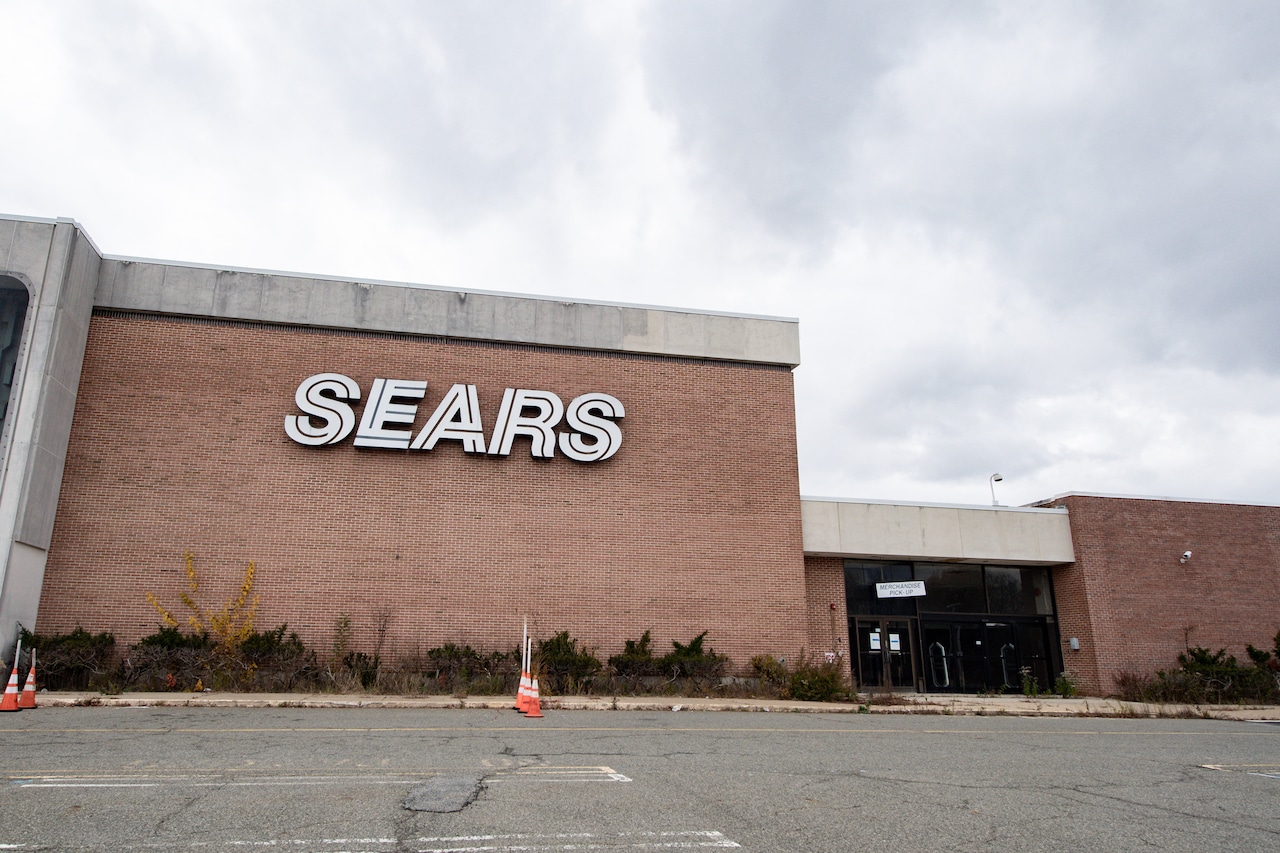
Sears, once the largest retailer in America, now has just five stores left open. The company closed roughly 2,700 locations in 2018 alone, capping a decades-long collapse that turned a retail giant into a ghost of its former self. Sacramento Bee reports the chain was once known as the Walmart of its day.
What remains is barely recognizable. The brand that sold everything from houses to washing machines — right out of a catalog — is now clinging to existence with a handful of stores and a mountain of bad decisions behind it.
From 2,700 Stores to Five in One Year
The scale of Sears' collapse is staggering. The company shuttered around 2,700 stores in 2018, according to Kansas City Star. That wave of closures left just five locations standing. For context, at its peak Sears operated thousands of stores across the country and dominated American shopping for most of the 20th century.
The drop did not happen overnight. Since 1990, Sears slowly bled stores, customers, and cash. Each year brought fewer locations and less revenue. By the time bankruptcy came, the outcome felt inevitable to most retail analysts.
Eddie Lampert's Hedge Fund Bet Gone Wrong
Many analysts point to one decision as the turning point. In 2004, hedge fund operator Eddie Lampert bought Sears out of bankruptcy. Mahoning Matters reports that Lampert's purchase is widely seen as the beginning of the end. Critics say he ran the retailer like a financial asset, not a store.
Lampert remains in control of the company today, even though he has lost his equity stake. His strategy never produced a turnaround. Instead, it accelerated the decline as stores went without investment and customers went elsewhere.
Selling Off the Crown Jewels: Craftsman, DieHard, Lands' End
To raise cash, Sears sold off its most valuable brands. The company unloaded Craftsman tools, DieHard batteries, and the Lands' End clothing line over the years, according to Macon.com. These were brands that customers actually trusted and wanted. Selling them stripped Sears of what little competitive edge it had left.
The money from those sales did not save the company. Island Packet notes the proceeds went toward ideas that never paid off. Without its strong brands and without investment in its stores, Sears had little left to offer shoppers walking through its doors.
Missing the Digital Shift Sealed Sears' Fate
One of Sears' biggest mistakes was failing to move online fast enough. The company tried to shift from a traditional brick-and-mortar retailer to an omnichannel model — one that blends physical stores with online shopping — but the transition never worked, according to Kentucky.com. Rivals like Amazon and Walmart moved faster and smarter.
Sears had a head start that few companies ever get. Its catalog business in the 1900s was essentially early e-commerce. Customers ordered goods from home and received them by mail. But the company failed to translate that legacy into the internet age, and five remaining stores are all that's left to show for it.
Sentiment
NeutralNEGATIVENEUTRALPOSITIVE
Publishers
7
Articles
6
Reach
7
A
AnonymousAuthor


