Ukraine Truce Talks
Macron and Trump discuss Ukraine truce and energy infrastructure protection during New York meeting.
Anonymous
Key Points
1
Trump had publicly blamed Zelenskyy for rising oil prices, saying on Truth Social that Russia had “lost control of its Diesel Oil Industry” because of the war and urging Zelenskyy to stop targeting Russian diesel facilities.
2
Macron called for the reopening of the Black Sea alongside a proposed moratorium on strikes against energy and civilian infrastructure, in order to restore grain exports.
3
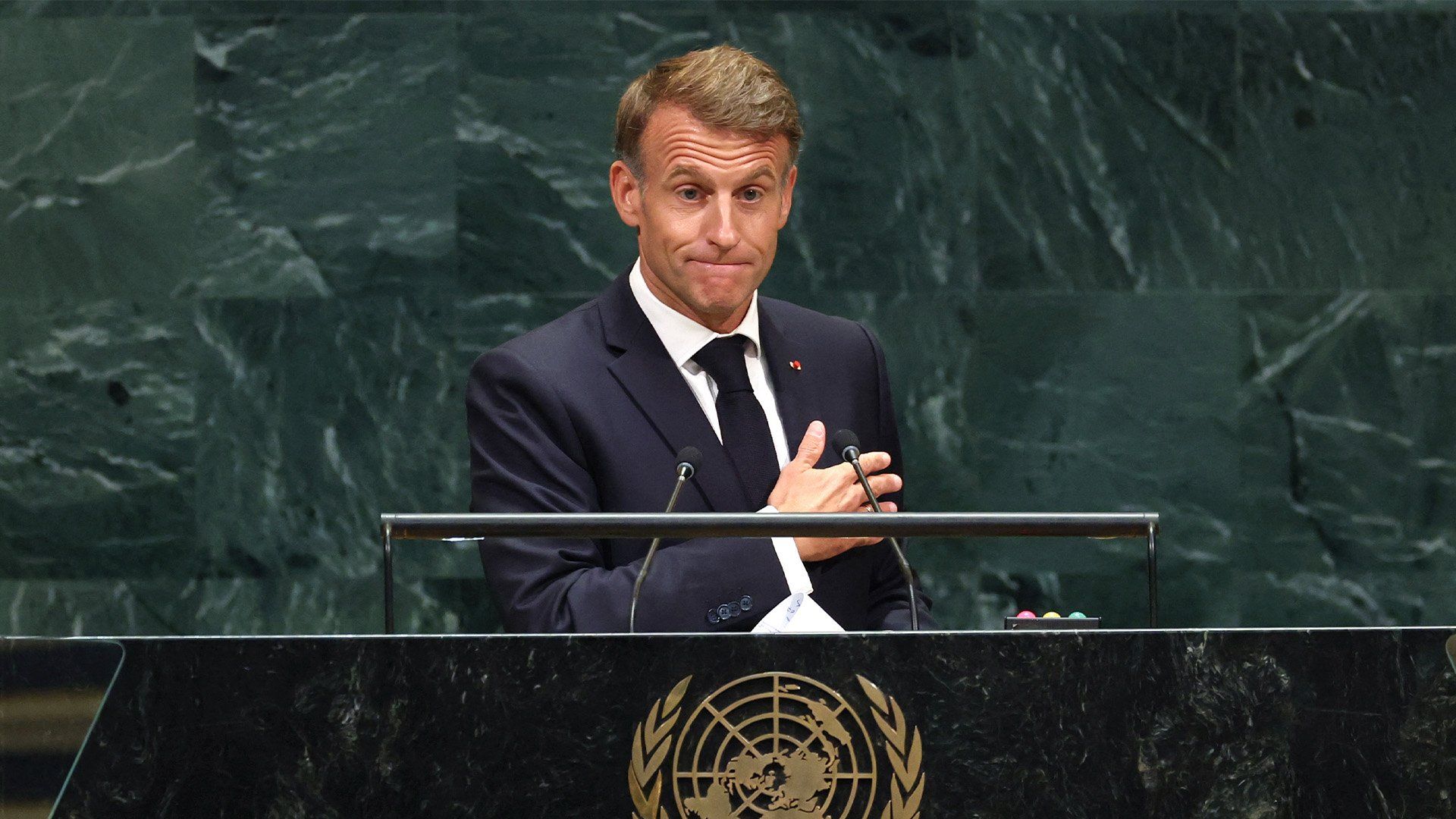
Macron described the Gaza situation in a U.N. speech as “a spectacle that shames us all,” criticizing the lack of reopened humanitarian corridors and rejecting the idea that further military action would necessarily improve Israeli security.
4
Macron’s broader objective was to persuade Trump to take a tougher position toward Vladimir Putin and reinforce U.S. support for Ukrainian sovereignty, according to France 24’s account of the meeting.
French President Emmanuel Macron and U.S. President Donald Trump held talks in New York focused on ending strikes against energy infrastructure in Ukraine and Russia, a move both leaders say could lower global oil prices and open critical shipping routes. CBC News reported that Trump urged Ukraine to stop targeting Russian diesel facilities, while Macron pushed for a mutual moratorium on energy sector attacks and called for faster U.S. military support for Ukraine's air defenses ahead of winter.
Ukrainian President Volodymyr Zelenskyy said he would halt strikes on Russian oil refineries if the U.S. could secure a Russian commitment to stop attacking Ukrainian power plants. Al Jazeera reported that Zelenskyy also requested two packages of 300 Patriot missiles and signaled readiness for a trilateral meeting with Trump and Russian President Vladimir Putin to pursue peace negotiations.
Trump Blames Ukrainian Strikes for Soaring Oil Prices
On Truth Social, Trump wrote that Russia has "lost control of its diesel oil industry" due to Ukrainian drone strikes destroying refineries. Financial Times reported Trump's statement claiming the strikes are hurting global energy markets. Trump urged Zelenskyy to stop targeting Russian diesel facilities, saying the conflict is driving up prices worldwide and must end.
Defense analysts challenged Trump's claim, attributing most global diesel price spikes to Middle Eastern shipping disruptions rather than Ukrainian refinery attacks. Politico noted that Trump cited an estimate of 25,000 monthly casualties, predominantly military personnel, in the Russia-Ukraine conflict as a reason to pursue a faster peace deal.
Macron Pushes for Energy Truce and Black Sea Grain Exports
Macron called for a moratorium on all strikes against energy and civilian infrastructure, proposing that Russia halt attacks on Ukraine's power grid while Kyiv suspends drone strikes on Russian refineries. Le Monde reported the proposed deal would also reopen the Black Sea to restore Ukrainian grain exports, a critical source of global food supply. Macron described the talks with Trump as "very constructive" on energy security matters.
The French president also pushed for reopening the Strait of Hormuz and improving security along the Red Sea, two chokepoints where Middle Eastern conflicts have severely disrupted global shipping and tanker traffic. Financial Times reported that Macron urged stronger U.S. air defense support for Ukraine to prepare for intensified Russian bombardments during the coming winter months.
Zelenskyy Seeks Missile Packages and Trilateral Summit
Ukrainian President Zelenskyy formally requested two packages of 300 Patriot interceptor missiles from Washington to counter Russian aerial attacks. Al Jazeera reported that the U.S. faces a global shortage of Patriot missiles due to extensive spending in Middle East operations, creating operational challenges for the air defense supply. Zelenskyy said Ukraine's energy sector and food exports must stop being Russian targets for any de-escalation to occur.
Zelenskyy signaled willingness to meet with both Trump and Putin for direct peace talks, according to statements made at the U.N. General Assembly. Politico reported that France is positioning itself as a crucial mediator between American isolationist tendencies and European security demands, with Macron publicly challenging U.S. positions on Gaza at the United Nations.
Macron Rejects U.S. Middle East Claims and Calls for Humanitarian Access
At the U.N. General Assembly, Macron criticized the Gaza situation as "a spectacle that shames us all," arguing that further military action would not necessarily improve Israeli security. Financial Times reported that Macron rejected U.S. claims of peace achievements, pointing out that no humanitarian corridors have reopened in Gaza. He called for a shift away from "the law of the jungle" toward international order and legal frameworks.
Macron's broader diplomatic objective was to persuade Trump to maintain a firm stance against Vladimir Putin while reinforcing U.S. commitment to Ukrainian sovereignty and security. Le Monde reported that France views itself as an indispensable bridge between Washington's priorities and Europe's security requirements in both Ukraine and the Middle East.
Sentiment
Mostly NegativeNEGATIVENEUTRALPOSITIVE
Publishers
28
Articles
84
Reach
112
A
AnonymousAuthor


