Rod Liddle's controversial legacy
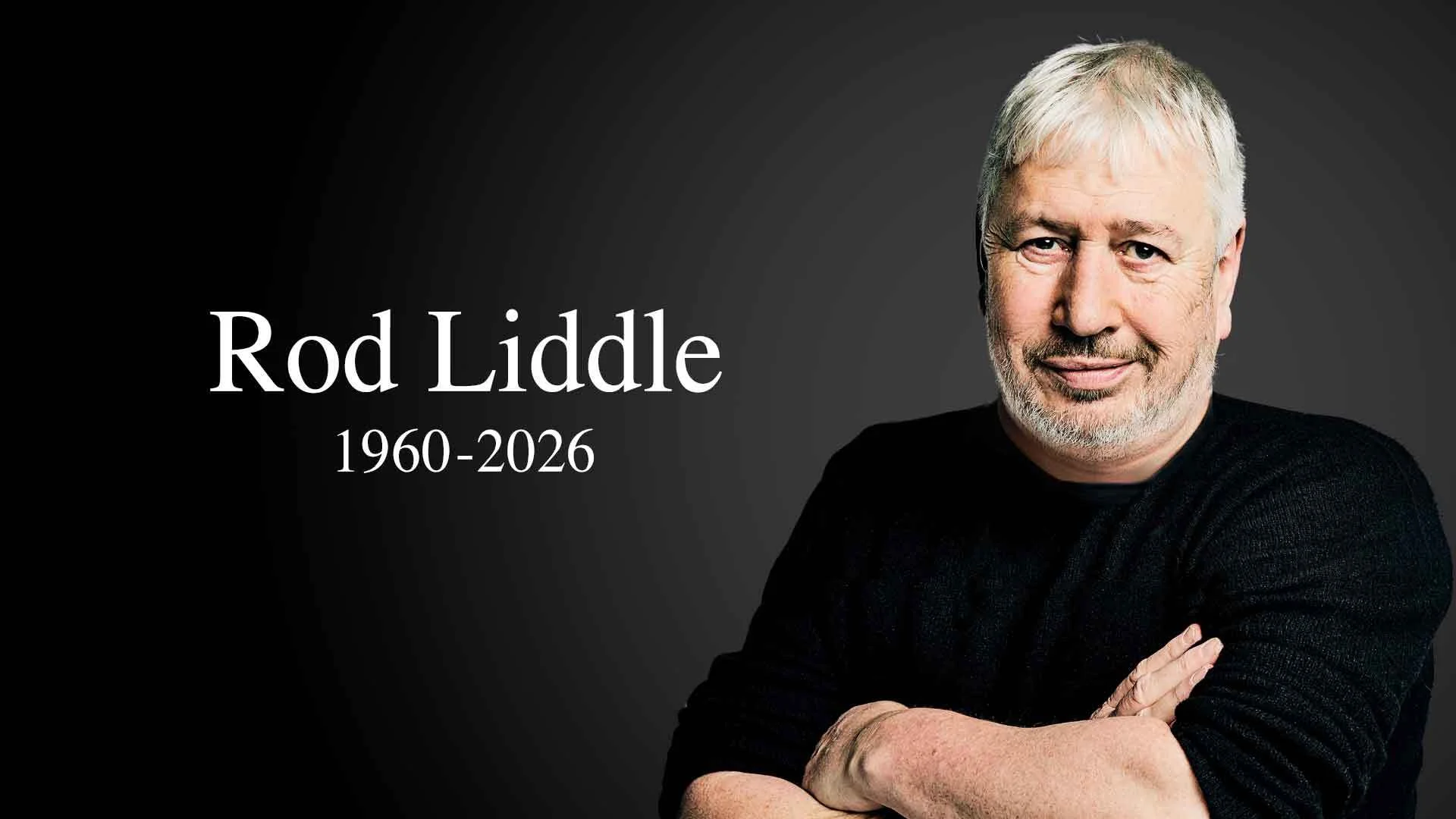
Rod Liddle, prominent and polarizing British journalist and broadcaster, dies at 66
Anonymous
Key Points
1
Liddle became the first journalist to have an online blog censured by the UK press watchdog, the Press Complaints Commission.
2
In 2010 the PCC upheld a complaint about his Spectator claim that the 'overwhelming majority' of violent crime in London was carried out by young Afro-Caribbean men.
3
As editor of BBC Radio 4’s Today, Liddle oversaw the hiring of Andrew Gilligan, the journalist whose 2003 report on the Iraq dossier sparked controversy; Liddle left the BBC before that report aired.
4
His private life drew significant attention after he left his long-time partner for a younger mistress, Alicia Munckton, an episode that was later referenced in discussions of his work on infidelity-themed programming.
5
Industry reaction highlighted his impact: Rebekah Brooks described him as a unique journalistic force at News UK, and Times Radio chief Tim Levell said his Saturday-morning show brought energy and wit.
Rod Liddle, one of Britain's most distinctive and divisive media voices, has died aged 66 after a short illness. He passed away at The James Cook University Hospital in Middlesbrough, according to Wales Online and Radio News Hub.
Liddle wrote for The Sun, The Sunday Times and The Spectator, and hosted a show on Times Radio. His family described him as inquisitive, brave, and funny. Colleagues expressed shock at his sudden passing. He was 66.
From South Wales Reporter to National Provocateur
Liddle started his career at the South Wales Echo in the early 1980s, according to Wales Online. He rose to become editor of BBC Radio 4's flagship Today programme. That role put him at the heart of British broadcasting. He later left the BBC and moved into newspaper columns and radio presenting.
He became a weekly columnist at The Spectator and wrote for both The Sun and The Sunday Times. Times Radio chief Tim Levell said his Saturday-morning show brought "energy and wit" to listeners. Rebekah Brooks of News UK called him "a unique journalistic force," according to Radio News Hub.
The Iraq Dossier Link and His BBC Legacy
As Today editor, Liddle hired Andrew Gilligan. Gilligan's 2003 report on the Iraq weapons dossier sparked one of the biggest controversies in BBC history. Liddle had already left the BBC before that report aired. Still, his tenure shaped the programme's direction for years.
His time at the BBC made him a well-known figure in media circles. But it was his later columns that made him truly famous — and often infamous. He was never far from a headline, either writing one or starring in one.
A Career Built on Controversy and Press Watchdog Rulings
Liddle was the first journalist to have an online blog censured by the Press Complaints Commission, the UK's press watchdog, according to Arbiterz. In 2010, the PCC upheld a complaint about a Spectator column. In it, Liddle claimed the "overwhelming majority" of violent crime in London was carried out by young Afro-Caribbean men. The ruling was a landmark moment in UK press regulation.
His columns regularly sparked debate about free speech and media responsibility. Critics said he crossed lines. Supporters said he said what others would not. That tension defined his career. He remained a polarising figure right up to his death.
Family and Colleagues Pay Tribute to a Lasting Legacy
His family released a statement describing Liddle as someone who lived with curiosity, courage, and humour. His children spoke of his lasting impact on those around him. Tributes poured in from across British media, with colleagues noting the gap he leaves in Saturday and Sunday journalism, according to Radio News Hub.
Rebekah Brooks said News UK had lost a rare voice. Tim Levell said Times Radio had lost a presenter who was "impossible to replace." Whether readers loved or loathed him, few could ignore him. Rod Liddle was 66.
Sentiment
Mostly NegativeNEGATIVENEUTRALPOSITIVE
Publishers
18
Articles
84
Reach
102
Topics
A
AnonymousAuthor


