OPEC+ Oil Quotas
OPEC+ Approves September Oil Quota Hike, But Production Capacity And Geopolitics Limit Impact
Anonymous
Key Points
1
Eight members exited OPEC+ on May 1 (Saudi Arabia, Russia, Iraq, Kuwait, Kazakhstan, Algeria, Oman and the United Arab Emirates) and, despite their exit, have pursued gradual production increases starting in 2025.
2
The near-paralysis of the Strait of Hormuz continues to constrain oil exports, with a brief upswing in shipping traffic occurring after a US-Iran memorandum of understanding was signed in June.
3
The International Energy Agency has described the Middle East disruptions as the largest oil supply disruption in history at one point, highlighting the scale of constraints facing global supply.
4
Prediction-market pricing indicates a low chance of crude hitting a new all-time high by September 30 (about 5.4%), with a higher probability of a new peak by December 31 (about 14.5%).
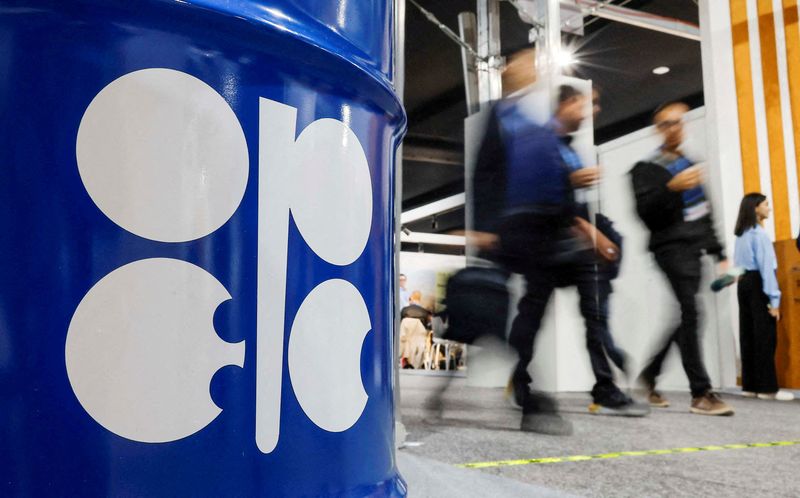
OPEC+ is set to approve a production quota increase of around 188,000 barrels per day (bpd) starting in September, according to Business Today Malaysia and Kansas.com. The move marks the final planned hike in the group's current series of output increases, after which members expect to pause.
The September rise would complete the unwinding of the group's second package of voluntary production cuts. Those cuts were made earlier to prop up prices during periods of declining demand and supply disruptions tied to the Middle East war. However, real-world output from many members still falls well short of their official targets.
Eight Members Left OPEC+ But Keep Raising Output
Eight major producers — Saudi Arabia, Russia, Iraq, Kuwait, Kazakhstan, Algeria, Oman, and the United Arab Emirates — formally exited OPEC+ on May 1, according to 95kqds.com. Despite leaving the group, all eight have continued to coordinate gradual production increases starting in 2025. The September hike is part of that ongoing plan.
The September increase would unwind the second production-cut package the group put in place. After that, sources say members plan to pause further hikes. Analysts note, though, that higher quotas only matter if countries can actually produce at those levels — and many cannot.
Higher Quotas Mean Little When Countries Can't Produce
A key problem facing OPEC+ is that many members have shrinking production capacity. Russia, for example, has a target of 9.8 million bpd. But its actual output sits at around 9 million bpd, according to wdsm710.com. Repeated disruptions have kept Russia's numbers well below its goal.
Iraq has signaled it wants to boost output further, but the timing and scale remain unclear. When countries cannot hit their own targets, raising those targets on paper does little to change how much oil actually reaches the market.
Strait of Hormuz Strangling Global Oil Exports
The Strait of Hormuz — a narrow waterway through which a large share of the world's oil passes — has been nearly paralyzed by Middle East tensions. The International Energy Agency called the resulting disruption the largest oil supply shock in history at its peak, according to 95kqds.com.
A brief pickup in shipping traffic came after the US and Iran signed a memorandum of understanding in June. Still, exports through the strait remain heavily constrained. The disruption has pushed global supply well below where it would otherwise be, regardless of what quotas OPEC+ sets.
Oil Price Outlook Stays Murky Through Year-End
Market analysts see mixed signals for oil prices in the months ahead. Prediction markets put the chance of crude hitting a new all-time high by September 30 at just 5.4%, according to 95kqds.com. The odds improve slightly by December 31, rising to about 14.5%.
The risk of oversupply looms if demand slows or Hormuz traffic recovers faster than expected. But ongoing Middle East tensions could keep exports squeezed. Analysts say the balance between those two forces will define where prices land by the end of 2025.
Sentiment
Mostly NegativeNEGATIVENEUTRALPOSITIVE
Publishers
66
Articles
188
Reach
254
A
AnonymousAuthor


