Nationwide Cleanliness Campaign
Nationwide Swachhata Hi Seva 2026 Campaign Begins September 17 to Promote Civic Cleanliness
Anonymous
Key Points
1
Swachhata Hi Seva has been held annually since 2017, providing an established national framework for cleanliness and civic-participation activities.
2
The 2026 campaign is scheduled to continue through October 17, rather than ending with the October 2 Swachh Bharat Diwas observances.
3
Student-focused programming will include Swachhata Gyan Yatra activities, visits to solid-waste-management facilities, and awareness sessions on rainwater harvesting and water management.
4
The campaign will promote four-way source segregation and awareness of the Solid Waste Management Rules, 2026, alongside donation and “RRR” activities and plastic-recycling melas.
5
Officials said about 18 crore people took part in the 2025 campaign, including 13.91 crore participants in rural India and 4.53 crore in urban areas; the 2026 campaign will seek to build on that participation through a “Whole of Government and Whole of Society” approach.
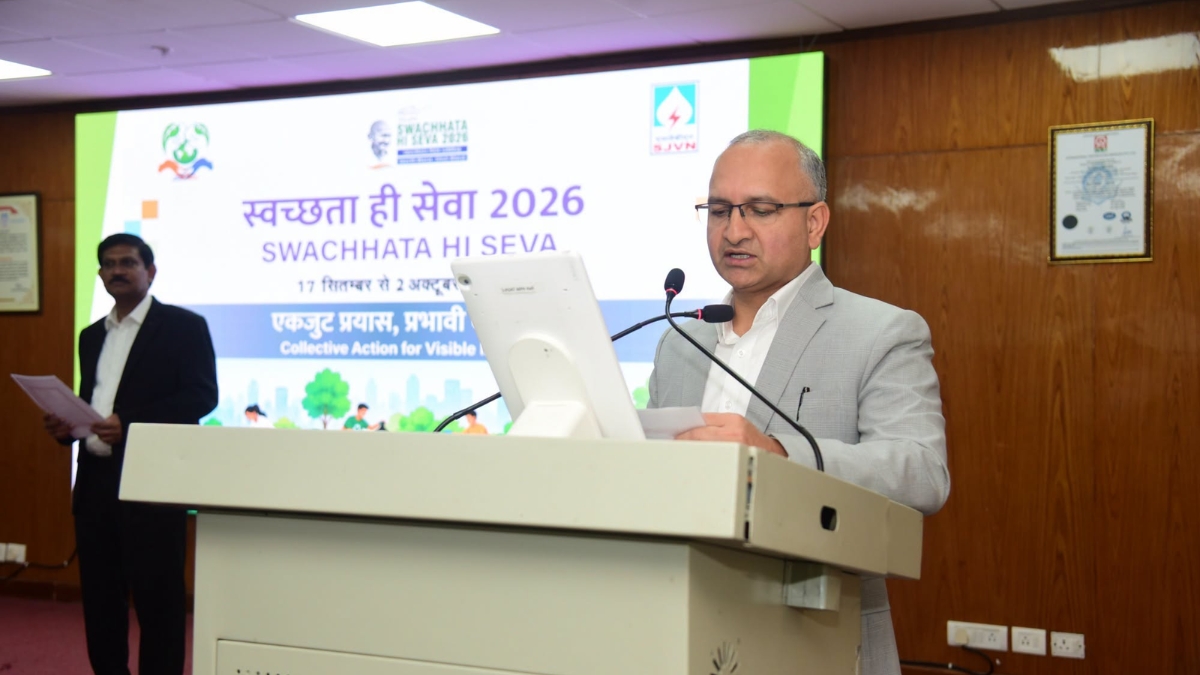
India's Swachhata Hi Seva 2026 campaign kicked off nationwide on September 17 with a push to make cleanliness a shared responsibility across government, schools, and communities. The month-long initiative, running through October 17, centers on the theme "Swachhata Mein Sahbhag; Swachh Bharat, Viksit Bharat"—urging all citizens to participate in building a cleaner, more developed India PIB.
The campaign targets polluted sites, water bodies, schools, and public places while focusing on five key priorities: cleaning designated areas, engaging students and youth, supporting sanitation workers with health checkups and equipment, expanding public participation, and promoting waste recycling and circular-economy projects GK Today.
A Decade-Long Commitment to National Cleanliness
Swachhata Hi Seva has been India's annual cleanliness campaign since 2017, creating a consistent national framework for civic participation. Last year's 2025 campaign drew roughly 18 crore people—13.91 crore from rural areas and 4.53 crore from urban centers PIB. Officials are betting the "Whole of Government and Whole of Society" approach will boost participation even further in 2026.
Students and Youth Lead Cleanliness and Awareness Efforts
Student programming forms a core pillar of the 2026 campaign. Activities include Swachhata Gyan Yatra visits to solid-waste-management facilities, awareness sessions on rainwater harvesting and water conservation, and participation in cleanup drives GK Today. Schools and colleges across India are organizing these initiatives to embed sustainability habits in young people.
Youth are also encouraged to participate in plastic-recycling melas, tree-planting under "Ek Ped Maa Ke Naam," and sports and cultural programs tied to the campaign PIB. This multi-pronged approach aims to blend education with hands-on environmental action.
Safai Mitras Get Health Support and Safety Equipment
The campaign prioritizes the welfare of sanitation workers, or Safai Mitras, who form India's frontline in cleanliness efforts. The initiative provides health checkups and necessary safety equipment to protect these workers PIB. Supporting their health and dignity is central to the campaign's values.
Waste Management Rules and Source Segregation Drive Change
The campaign promotes four-way source segregation—separating waste at the point of generation—and raises awareness about the Solid Waste Management Rules, 2026 GK Today. Waste-management education sessions teach citizens how to reduce, reuse, and recycle. Plastic-donation drives and "RRR" activities (Reduce, Reuse, Recycle) encourage behavioral change.
Officials emphasize that the momentum must extend beyond the campaign's October 17 end date. A nationwide voluntary cleanliness drive is scheduled for October 1, with additional programs tied to World Tourism Day and Swachh Bharat Diwas on October 2 PIB. Communities are urged to build lasting habits of cleanliness and waste management.
Sentiment
Mostly PositiveNEGATIVENEUTRALPOSITIVE
Publishers
43
Articles
31
Reach
74
A
AnonymousAuthor