Beef Import Plans Alarm U.S. Ranchers
Beef Import Plans Alarm U.S. Ranchers
Anonymous
Key Points
1
The administration’s beef strategy also includes an executive order supporting small and medium-sized meatpackers, intended to increase competition and give cattle producers more processing options. Producers expect uncertainty to persist after the temporary tariff pause ends on Nov. 30.
2
Texas rancher Joshua Eilers said his operation is losing about $50,000 a month, while the administration’s announcement pushed cattle futures lower. Texas A&M economist Luis Ribera said imports may reduce the price producers receive without lowering their input costs.
3
Mexico’s cattle-export suspension has left roughly 1.6 million calves on the domestic market and could raise annual beef supply from about 2.3 million to 2.8 million metric tons. Lean-calf prices fell from 86 to 78 pesos per kilogram and carcass prices from 125 to 110–112 pesos, while retail prices remained around 240–250 pesos per kilogram.
4
A 2026 beef-industry survey found that 77% of producers were optimistic and 83% reported profitability, but analysts identified succession bottlenecks, labor shortages and gaps in digital data as structural challenges. Although 55% of respondents planned to expand their herds within five years, high market prices and expansion constraints could limit that growth.
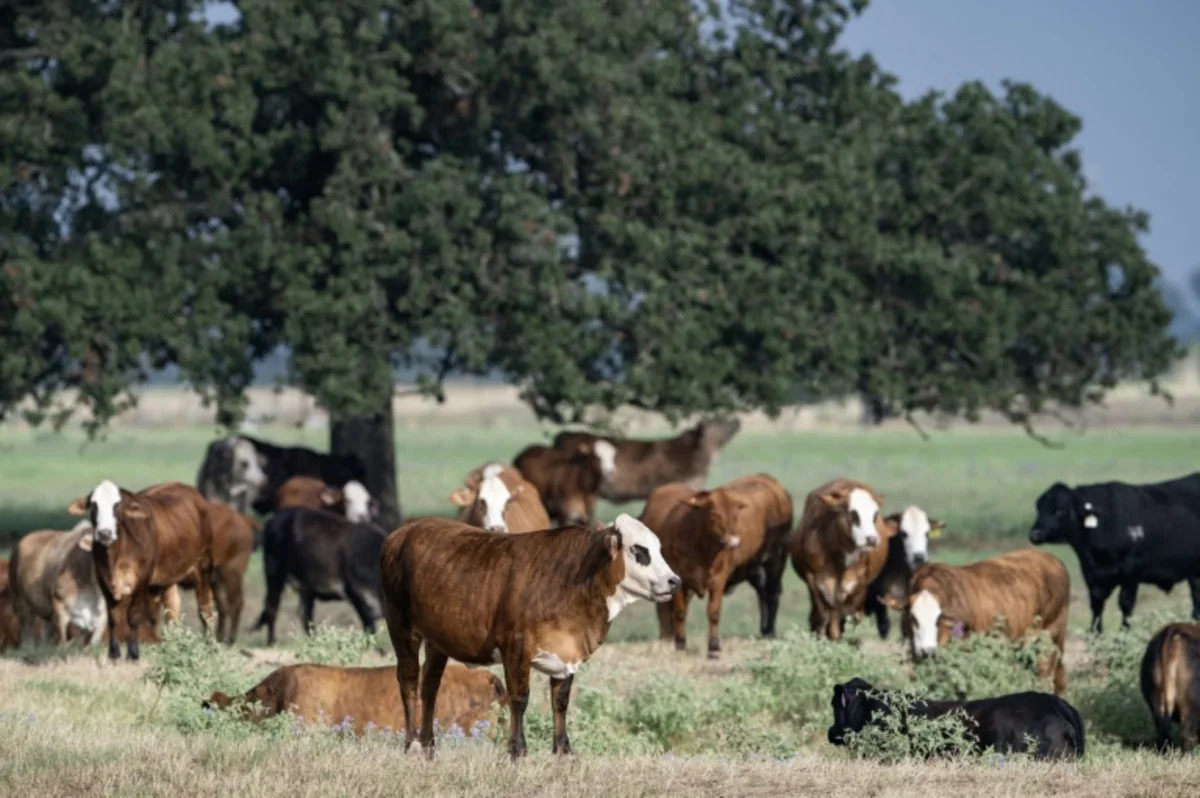
President Trump's plan to import roughly 300,000 metric tons of beef has unsettled U.S. ranchers, even as the administration aims to lower record-high consumer prices. The strategy includes a temporary pause on beef tariffs and support for smaller meatpackers, but producers warn it could weaken cattle prices without fixing deeper problems like a U.S. herd at a 75-year low and drought-driven liquidationAFP.
Texas rancher Joshua Eilers reported his operation is losing roughly $50,000 a month, and cattle futures fell after the announcement. Texas A&M economist Luis Ribera said imports may reduce what producers receive without lowering their costs for feed and fuelFrance24.
A Herd Crisis Underlying the Imports
The U.S. cattle herd sits at a 75-year low due to drought-driven liquidation and high production costs. Ranchers have culled herds to survive tight margins. Importing beef offers short-term price relief to consumers but does not rebuild domestic cattle supplies or address ranchers' core problem: shrinking input costs and weak futures prices.
Experts say imported beef will provide only temporary consumer relief and will not resolve the supply shortageMorning Chronicle. Without herd expansion, the beef sector faces continued supply tightness, though demand remains resilient.
Mexico's Surplus Threatens Its Own Ranchers
Mexico's suspended cattle exports to the United States have created a domestic glut. Roughly 1.6 million calves now flood the local market, pushing annual beef supply to as high as 2.8 million metric tons from 2.3 million. Lean-calf prices fell from 86 to 78 pesos per kilogram. Carcass prices dropped from 125 to 110–112 pesos per kilogram according to Yahoo Finance.
Retail beef prices remained stuck around 240–250 pesos per kilogram, showing a familiar gap: producers earn less while consumers pay nearly the same. The surplus exposes how trade disruptions ripple across the region.
Meatpacking Reform and Tariff Uncertainty Ahead
Trump's executive order supports small and medium-sized meatpackers to boost competition and give producers more processing choices. However, ranchers expect uncertainty to persist after the temporary tariff pause ends on November 30Yahoo. Without a permanent solution, cattle prices could swing sharply when tariffs return.
Long-Term Optimism Shadowed by Structural Gaps
A 2026 beef-industry survey found that 77% of producers were optimistic and 83% reported profitability. Yet 55% plan herd expansion within five years, and analysts flagged labor shortages, succession bottlenecks, and poor digital data as major obstacles. High market prices and tight expansion room could limit growth even if sentiment stays positive.
Sentiment
Mostly NegativeNEGATIVENEUTRALPOSITIVE
Publishers
17
Articles
10
Reach
27
A
AnonymousAuthor


