Kenya Milk Shortage
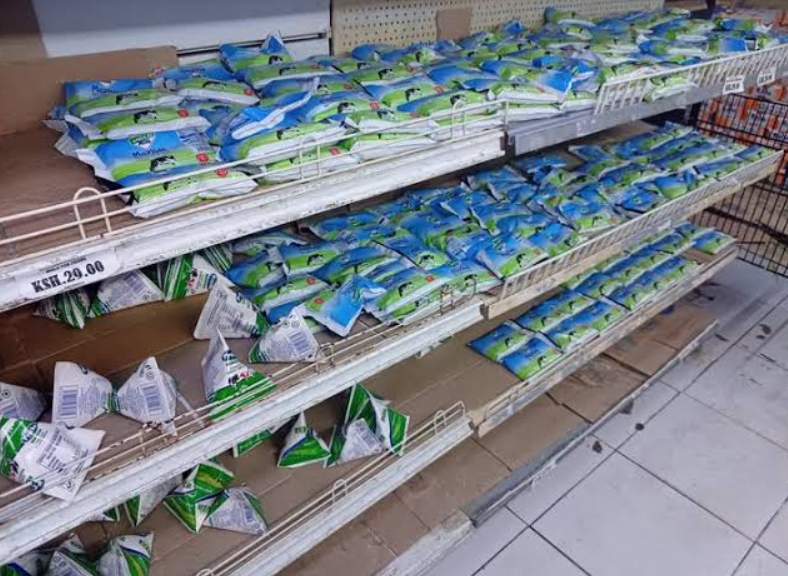
Kenya milk shortage deepens as dry weather cuts formal dairy deliveries.
Anonymous
Key Points
1
Urban milk prices are rising in Kenya, with standard 500ml packs up by about Ksh 3–5 in the past two weeks; Tuzo moved from Ksh 62–63 to 65–68, and ESL packs increased from Ksh 50–55 to 58–60.
2
Kericho region dairy stakeholders highlight severe feed bottlenecks: short rainfall has reduced fodder production, high fuel costs hinder feed conservation, and cooperatives report milk collections dipping to below 60% of normal levels.
3
The International Livestock Research Institute advocates improved silage and forage preservation as a key measure to maintain feed availability for smallholder dairy farmers during pasture shortages.
4
Market surveillance indicates broader supply constraints nationwide, including low stocks, reduced brand/pack-size availability, and delays in restocking outlets, with pasteurised milk more affected than ESL/UHT, which remain comparatively available.
Kenya's milk shortage is deepening as formal deliveries to processors fell 3.7% from 84.4 million litres in June to 81.3 million litres in July, with Kenya Dairy Board warning of further declines ahead. Dry and cold weather in key dairy regions has slashed pasture and fodder availability, forcing farmers to cut milk production. Urban prices are climbing fast—a 500ml pack of Tuzo jumped from Ksh 62–63 to Ksh 65–68 in just two weeks.
Pasteurised milk has been hit hardest by the shortage, while long-life products like ESL and UHT remain relatively available due to longer shelf life. COFEK raised alarms about supply squeezes, but officials say the situation is seasonal and expect recovery as weather improves.
Kericho Farmers Struggle With Feed Bottleneck Crisis
Dairy farmers in Kericho region face a crushing feed shortage. Short rainfall has gutted fodder production, while high fuel costs make feed preservation expensive. Kericho dairy cooperatives report milk collections have plummeted to below 60% of normal levels, creating a severe cash flow crisis for smallholder farmers who depend on daily milk sales.
Price Spikes Spreading Across Urban Markets
Milk prices are climbing nationwide as supply tightens. A 500ml pack of standard milk has jumped Ksh 3–5 in two weeks. Tuzo brand prices surged from Ksh 62–63 to Ksh 65–68 per pack. ESL packs climbed from Ksh 50–55 to Ksh 58–60. The price rises are uneven—areas with severe shortages see steeper jumps, while well-stocked regions remain stable.
Better Silage Methods Could Ease Future Shortages
The International Livestock Research Institute says improved silage and forage preservation is the key to keeping dairy cows fed during dry seasons. Better storage techniques would help smallholder farmers build reserves during good rainfall periods. Officials are exploring feed conservation incentives and support programs to prevent future supply crashes.
Supply Chains Show Signs of Strain Nationwide
Market surveillance across Kenya reveals widespread supply stress. Low stocks, reduced brand variety, and restocking delays are common in retail outlets. Eagle News Feed reports pasteurised milk facing the worst shortages, while UHT and ESL products remain more available. The constraint is patchy—some regions have adequate supply while others face empty shelves and delayed deliveries.
Sentiment
Mostly NegativeNEGATIVENEUTRALPOSITIVE
Publishers
11
Articles
3
Reach
14
A
AnonymousAuthor


