Coast Guard Seizes Fuel
US Coast Guard Intercepts Cuba-Bound Fuel Vessel Employing Dark-Fleet Tactics in Caribbean
Anonymous
Key Points
1
The Coast Guard said the Grace was employing dark-fleet tactics, and one report specified that it had turned off its location transponder to avoid detection.
2
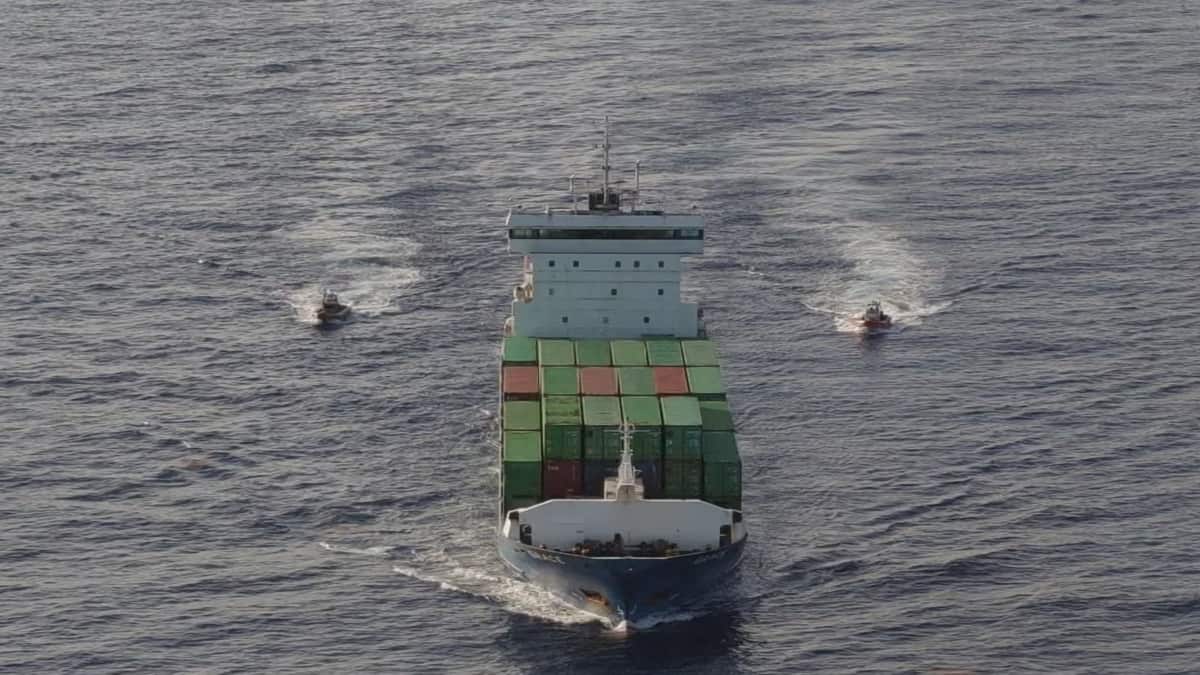
The interdiction involved Coast Guard cutters Alert and Charles Sexton, an HC-144 aircraft, a tactical law-enforcement team and district watchstanders.
3
The Coast Guard said enforcement had resumed after the United States permitted some emergency oil shipments to Cuba earlier in the year.
4
The blockade’s stated aim, according to reports, is to pressure Cuba’s political system; one account also links the island’s difficulty finding alternative fuel to the cutoff of Venezuelan oil after the United States captured President Nicolás Maduro.
The US Coast Guard seized a fuel-laden vessel bound for Cuba on September 5, part of the Trump administration's enforcement of an oil embargo on the island. Delta Plex News reported that the 300-foot tanker Grace was intercepted in the Caribbean Sea and escorted to Progreso, Mexico, where inspectors discovered large quantities of fuel hidden in ballast tanks and suspected containers. Officials said the ship used dark-fleet tactics—including turning off its location transponder—to avoid detection.
The seizure marks an escalation in fuel enforcement after months of shortages that have crippled Cuban power supplies and basic services. First Post noted that the Coast Guard also seized another vessel, the Jaira Provider, reportedly carrying more than 200,000 gallons of fuel. The blockade aims to pressure Cuba's government while threatening marine ecosystems and coastal communities if concealed fuel leaks.
Dark-Fleet Tactics Expose Hidden Cargo
The Grace employed deceptive methods common to so-called dark fleets—ships that hide their location and identity to evade detection. Millennium Post reported that the vessel disabled its automatic identification system (AIS) transponder while transporting fuel across international waters. Inspectors found fuel concealed in ballast tanks, compartments normally filled with water, and suspected additional fuel in containers.
The interception involved two Coast Guard cutters—Alert and Charles Sexton—plus an HC-144 aircraft and tactical law-enforcement teams. Sandhills Express confirmed the 300-foot tanker was stopped in the Caribbean between Cuba and Mexico on September 5. Officials did not disclose the exact fuel volume aboard, citing ongoing investigations.
Fuel Shortages Push Cuba Into Energy Crisis
Cuba faces severe fuel scarcity due to the ongoing embargo and loss of Venezuelan oil supplies. First Post noted that after the United States captured President Nicolás Maduro, Venezuela—once Cuba's primary oil source—cut shipments dramatically. The blockade aims to destabilize Cuba's government by strangling its energy supply.
Power outages have disrupted hospitals, water systems, and daily life across the island. Delta Plex News reported that enforcement resumed after the US permitted limited emergency oil shipments earlier this year. Those supplies proved insufficient to meet Cuba's needs, leaving the nation dependent on illicit fuel smuggling operations.
Environmental Risks From Concealed Cargo
Officials warned that hidden fuel storage creates serious pollution hazards in the Caribbean. Millennium Post highlighted how unsafe tank conditions and leaks threaten marine ecosystems and coastal communities. Ballast tanks are not designed for fuel transport, raising risks of environmental damage.
The seizure of the Jaira Provider—carrying over 200,000 gallons—demonstrated the scale of smuggling attempts. Delta Plex News reported that Coast Guard enforcement targets both the volume and method of fuel delivery to Cuba. Each interception prevents potential spills while pressuring Cuba's economy.
Sentiment
Mostly NegativeNEGATIVENEUTRALPOSITIVE
Publishers
19
Articles
69
Reach
88
Topics
A
AnonymousAuthor


