Air Pollution and Suicide
New Comprehensive Review Links Air Pollution and Nitrogen Dioxide to Higher Suicide Risk
Anonymous
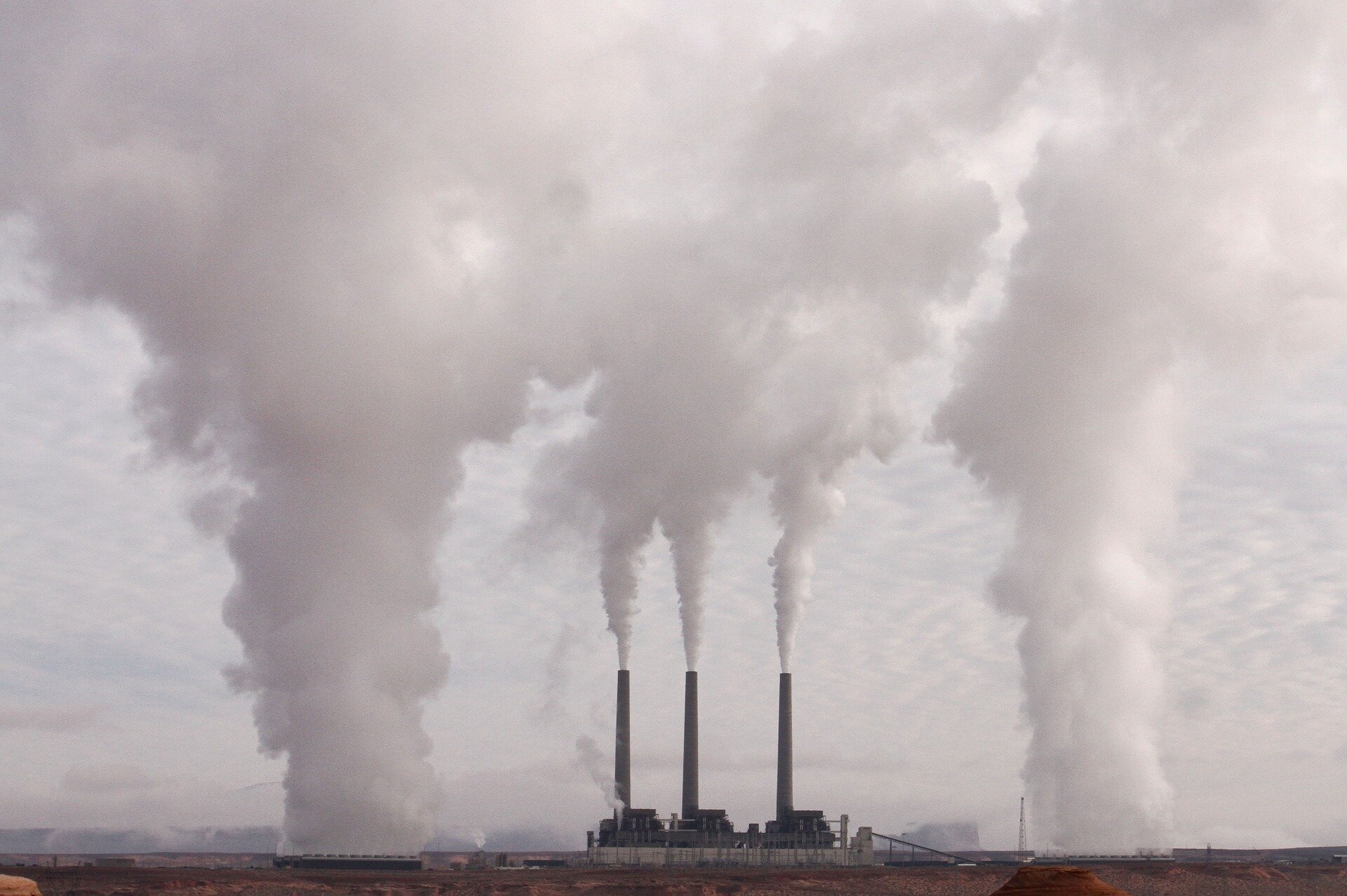
A systematic review and meta-analysis found that exposure to fine particulate matter (PM2.5 and PM10) and nitrogen dioxide was associated with higher risks of suicide, suicide attempts and suicidal thoughts. The Queen’s University Belfast researchers analyzed pooled results from 29 studies, while a broader review of 45 eligible studies also considered noise, light and water pollution; evidence for sulfur dioxide, ozone and noise was suggestive, but findings for light and water pollution were inconclusive. The researchers said environmental exposures should be considered potentially modifiable factors in suicide-prevention and broader public-health strategies. Experts cautioned that the evidence is largely observational and cannot establish that pollution causes suicidal behavior, noting that socioeconomic deprivation, urban living, housing, physical health and other factors may influence the results. They also warned that differences in how pollution and suicidal behavior were measured limit the findings’ use for predicting individual risk, and that pollution reduction alone should not be treated as a standalone suicide-prevention intervention.
Key Points
1
The review was conducted against the backdrop of more than 720,000 suicide deaths globally each year; the World Health Organization aims to reduce this toll by at least one-third between 2013 and 2030 through its Mental Health Action Plan.
2
The researchers searched studies published in English from January 2010 through April 2024. Of 287 studies initially selected for full-text review, 45 met the eligibility criteria: 33 examined suicide deaths, seven suicidal thoughts and five suicide attempts; 38 studies concerned air pollution, while three each examined water and noise pollution and one examined light pollution.
3
The authors proposed possible biological pathways: particulate and gaseous pollutants, along with water contaminants such as arsenic, lead, lithium and nitrate, have been linked to chronic inflammation and nerve damage that may impair brain function and affect mood and stress resilience. Noise and light pollution may also increase stress by disrupting the body clock.
4
The study authors advocated cross-sectoral action, writing that “integrating environmental health into mental health policy, through cross-sectoral collaboration, pollution reduction strategies, and targeted public health interventions, could play a vital role in reducing suicide risk and improving overall population mental wellbeing.”
5
Samaritans senior research and evidence manager Jess Moody said suicide risk is shaped by multiple factors and that research should not overlook inequalities in people’s living conditions: “While the reasons for suicide are complex, evidence shows that a variety of factors can impact suicide risk and we must not ignore the environments we live in, particularly inequalities around living conditions.”
Sentiment
Mostly NegativeNEGATIVENEUTRALPOSITIVE
Publishers
7
Articles
27
Reach
34
A
AnonymousAuthor


