Child Drowning Risk
Experts Raise Drowning Concerns Over Child Flotation Devices, Citing Regulatory Gaps
Anonymous
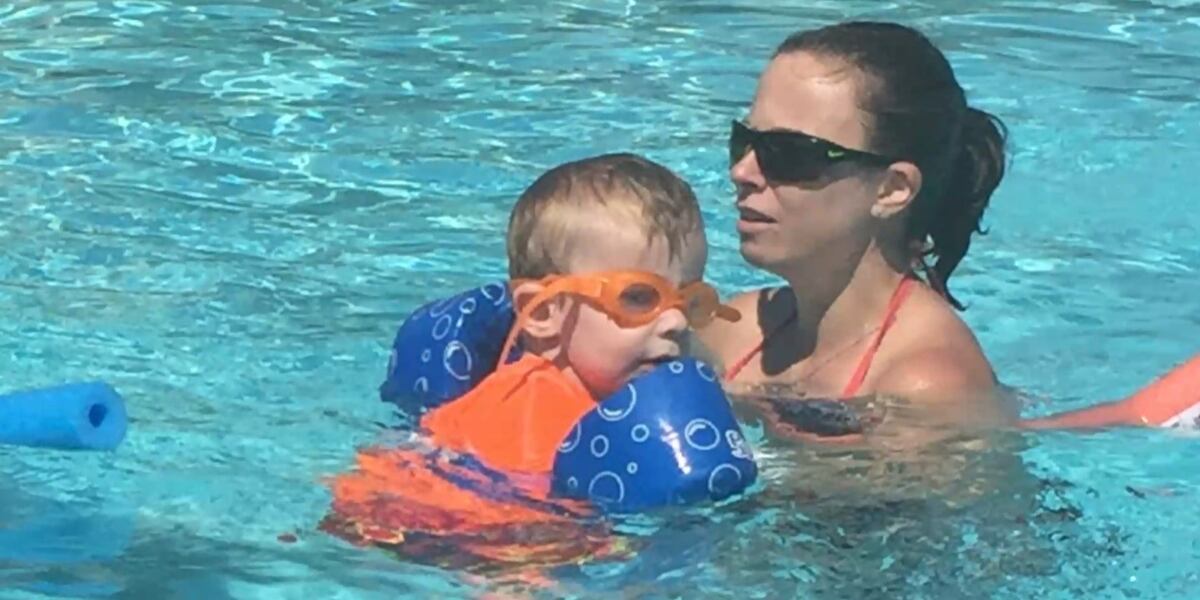
Wearable flotation devices for children — including popular arm floaties and chest bands — may actually increase the risk of drowning, experts warn. WTOC reports that critics argue these products give young children a false sense of security, making them believe they can float or swim even when they are not wearing one.
The concern is not new. Christi Brown lost her 3-year-old son, Judah, in an apartment pool in 2000. According to WOWT, Judah drowned while using a wearable arm and chest floatie. Brown has since become an advocate for stronger safety standards around these products.
How Floaties Can Create a False Sense of Safety
The core problem is a dangerous lesson these devices can teach. KLTV reports that when children wear flotation devices regularly, they learn to rely on them. When the device is gone, they may still act as if they can swim. That false confidence can turn deadly in seconds near a pool.
Experts say young children cannot fully understand the difference between wearing a floatie and not wearing one. Their brains are not yet developed enough to grasp that risk. WKYT notes that critics have raised this concern repeatedly, but little has changed in how these products are sold or labeled.
A Regulatory Gap Leaves Children Unprotected
Part of the problem is a gap between two federal agencies. When a product falls under two agencies at once, each one oversees only part of it — not the full safety picture. KCBD reports that this split in oversight means no single agency is fully responsible for whether these devices are safe for children.
The U.S. Consumer Product Safety Commission, known as the CPSC, has not yet responded to these specific concerns. This is despite acting Chairman Peter Feldman publicly stating that reducing drowning deaths is one of his highest priorities, according to KGNS.
Drowning Remains a Leading Cause of Child Death
Drowning is one of the top causes of accidental death in children under 5 in the United States. The stakes make this regulatory gap especially alarming. KOLOTV notes that families who buy these products often believe they are making the safer choice — when the opposite may be true.
Christi Brown's case shows just how fast tragedy can happen. Her son Judah was 3 years old and wearing a floatie when he drowned. 12 On Your Side reports that his death is one of the reasons experts are now pushing for clearer warnings, stricter standards, and better federal oversight of these widely sold products.
What Parents Should Know Before Buying a Floatie
Experts say wearable flotation devices should never replace proper supervision. No floatie, arm band, or chest device is a substitute for a U.S. Coast Guard-approved life jacket. WMTV15 News reports that parents should watch their children at all times in or near water, regardless of what the child is wearing.
The safest approach, experts say, is to enroll children in swim lessons early and treat every pool visit as a high-alert situation. Floaties may look reassuring, but safety advocates warn that the false confidence they build — in both children and parents — can be the most dangerous thing of all.
Sentiment
NeutralNEGATIVENEUTRALPOSITIVE
Publishers
9
Articles
8
Reach
9
A
AnonymousAuthor