Flood Recovery Aid
Nepal Raises Nearly $90 Million for Flood Recovery While UN Aid Stalls
Anonymous
Key Points
1
Donations to Nepal’s Prime Minister’s Disaster Relief Fund have ranged from as little as $5 to several million dollars, according to Manjeet Dhakal, an adviser to the least developed countries at UN climate talks.
2
The Loss and Damage Fund has received pledges of $820 million, but only $350 million has initially been made available; with applications totaling nearly $3 billion, the fund says it will currently provide no more than $20 million per project and has not approved any projects.
3
Although developing countries urged an extraordinary meeting to consider Nepal’s request, no fund board meeting with authority to distribute money had been held; the next scheduled meeting was set to begin on December 15.
4
The floods were unleashed by an avalanche of rock and ice on the Nepal-Tibet border. In Yate, Kabul Maharjan said his relatives had “lost everything,” while he and his wider family raised about £20,000 for survivors.
5
Youngsan University said its memorial and donation drive was intended not only to aid affected residents but also to support grieving Nepali students; the university’s international student support center pledged to continue promoting solidarity across nationalities and cultures.
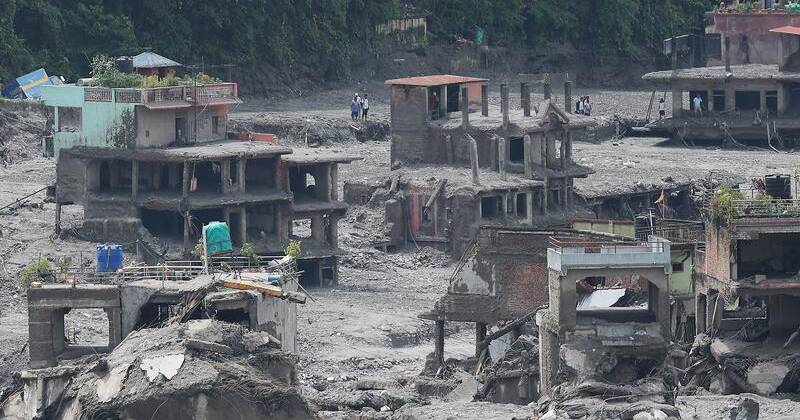
Nepal has raised nearly $90 million from individuals and companies to recover from devastating Himalayan floods that killed roughly 1,450 people and left thousands missing. CNN reports that Nepal's Prime Minister demanded climate justice at the UN, arguing that nations least responsible for emissions pay the highest price. The rapid public donations stand in sharp contrast to a sluggish international relief fund that has yet to approve any emergency projects.
The country is seeking $20 million from the UN's Loss and Damage Fund, but the process is moving slowly. According to Newsytes, the fund has received pledges of $820 million but only $350 million has been made available. With nearly $3 billion in applications pending, the fund says it will provide no more than $20 million per project. No board meeting with authority to distribute money had been held as of late November.
Donations Pouring In From Individuals and Diaspora
Donations to Nepal's Prime Minister's Disaster Relief Fund have ranged from as little as $5 to several million dollars. The public response includes community fundraisers in the United Kingdom and a memorial donation drive at South Korea's Youngsan University. One survivor in Yate, Kabul Maharjan, said his family "lost everything" but managed to raise about £20,000 for other survivors. Newsytes notes that the public support shows how quickly ordinary people are acting.
The Catastrophic Avalanche That Triggered the Disaster
The floods were unleashed by a massive avalanche of rock and ice on the Nepal-Tibet border. Newsytes reports the disaster caused an estimated $5 billion in damage. The avalanche destroyed homes, farmland, and infrastructure across the region. Thousands remain missing and the full scale of the disaster is still being assessed.
UN's Loss and Damage Fund Faces Bottleneck
Nepal's request for $20 million from the UN's Loss and Damage Fund is trapped in bureaucratic delays. The fund has received pledges of $820 million but only $350 million has been made available. Newsytes reports that applications total nearly $3 billion, far exceeding available resources. The fund has not approved any projects yet and no board meeting with authority to distribute money had been scheduled before mid-December.
According to Moneycontrol, Nepal's Foreign Minister Khanal argued that wealthy nations must provide sustained financing for climate resilience. Developing countries urged an extraordinary meeting to consider Nepal's emergency request, but the bureaucratic process moves slowly. The contrast raises concerns about whether international mechanisms can respond quickly enough as climate disasters grow more severe.
Nepal Demands Climate Justice at the UN
Nepal's Prime Minister used the UN platform to demand climate justice. CNN reports he argued that nations least responsible for emissions are paying the highest price while the world fails to act. Moneycontrol notes he called for grant-based international support for recovery efforts. The push reflects anger from developing nations that bear the burden of climate disasters despite contributing little to global emissions.
Sentiment
Mostly PositiveNEGATIVENEUTRALPOSITIVE
Publishers
17
Articles
37
Reach
54
A
AnonymousAuthor


