Newborn Vitamin Refusals Rise
Surging Parental Refusals of Newborn Vitamin K Shots Raise Dangerous Bleeding Risks
Anonymous
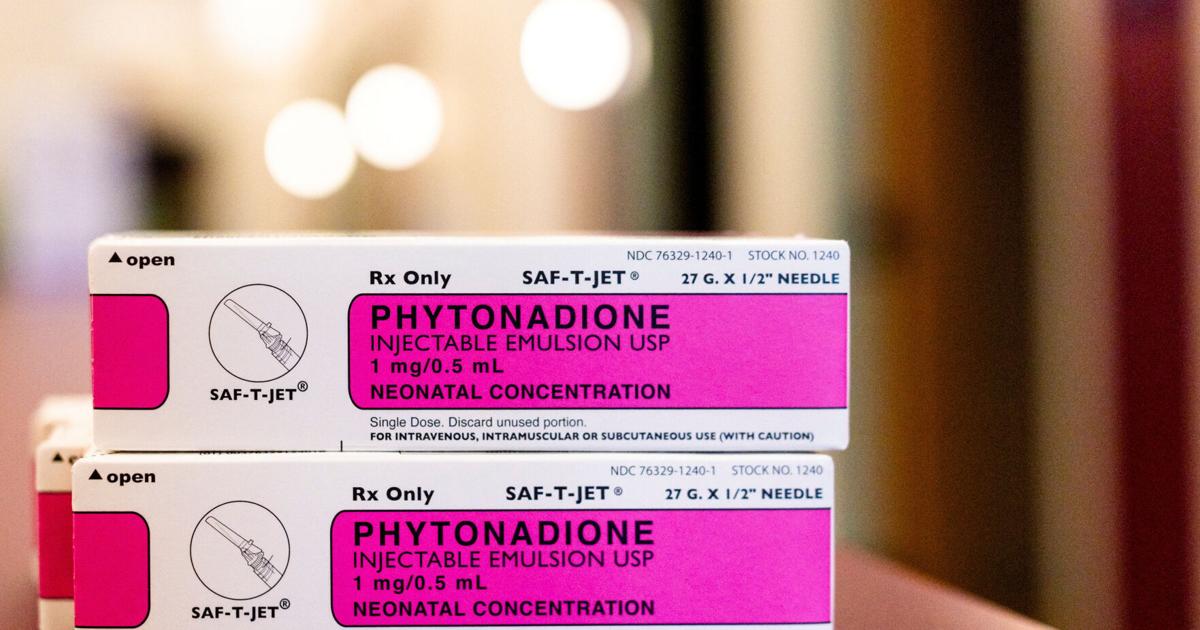
More US parents are refusing vitamin K shots for newborns, a trend that has jumped sharply this year and puts infants at serious risk. News Reports show the percentage of refusals is accelerating, despite the shot's proven ability to prevent life-threatening bleeding in babies whose bodies cannot yet produce enough clotting factors on their own.
Why Vitamin K Matters for Newborns
Newborns are born with low levels of vitamin K, an essential nutrient that helps blood clot properly. Without enough of it, babies can develop vitamin K deficiency bleeding (VKDB), a dangerous condition that causes internal or external bleeding. A single vitamin K injection at birth prevents this problem in nearly all cases.
Refusals Are Rising Faster Than Ever Before
The number of parents declining the vitamin K shot has grown noticeably in recent years, but 2024 marks a sharp acceleration according to health reporting. No single cause explains the trend, but vaccine skepticism and preference for natural approaches among some families play a role. Medical experts warn this puts vulnerable newborns in danger.
Bleeding Episodes Can Turn Deadly Within Days
Babies who miss the vitamin K shot face real danger. VKDB can cause bleeding in the brain, intestines, or other organs within the first weeks of life. Symptoms appear suddenly and progress fast. Without emergency treatment, infants can lose too much blood and die or suffer permanent brain damage.
Doctors Push Back on Safety Concerns
Pediatricians stress that the vitamin K shot is safe and has been standard newborn care for decades according to medical organizations. The injection is a small dose given once at birth. Serious side effects are extremely rare. Doctors urge parents to trust the science rather than online misinformation about the treatment.
Sentiment
NeutralNEGATIVENEUTRALPOSITIVE
Publishers
15
Articles
15
Reach
15
A
AnonymousAuthor


