ALR Food Processing Expansion
B.C. Begins Public Engagement on ALR Amendments to Expand Food Processing Facilities
Anonymous
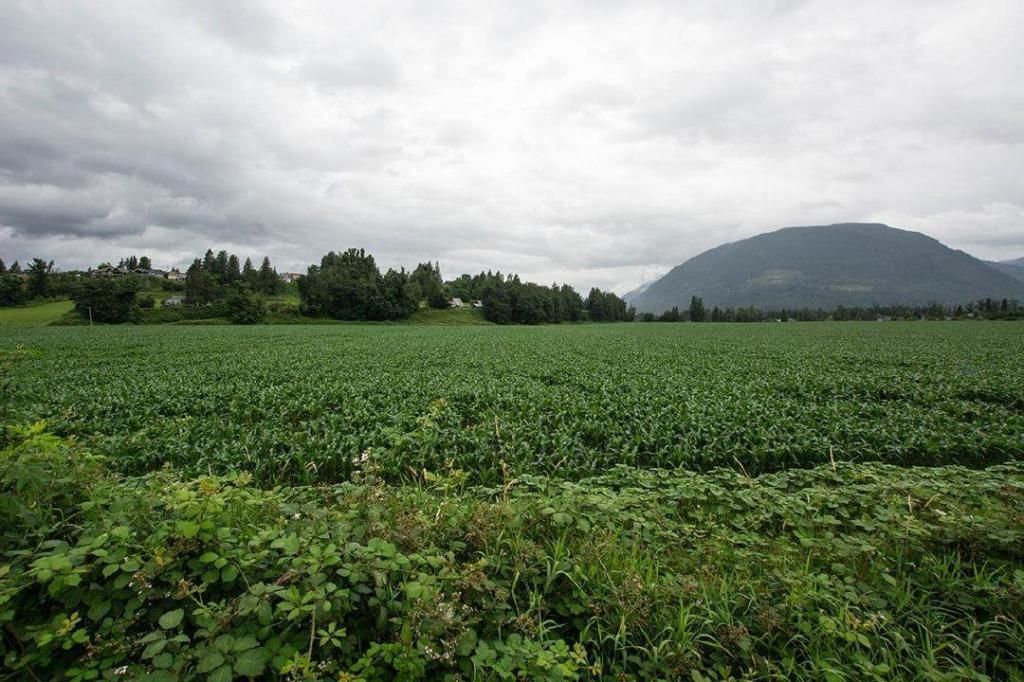
British Columbia has launched a six-week public engagement on a proposal to allow food processors to build plants on lower-quality farmland inside the Agricultural Land Reserve (ALR), according to North Delta Reporter. The province says the changes would create jobs, attract investment, and help build a more secure food supply.
Under the proposal, food processors could build on Class 5-7 ALR soil — the least productive farmland — as long as at least five per cent of the raw ingredients they use are grown or raised in B.C., Abbotsford News reported. The engagement runs for six weeks and includes industry groups, local governments, and First Nations.
What Land Would Actually Be Available for Development
Not all ALR land would be open to food processors. The province estimates that roughly 500 to 1,000 hectares could become available for development under the new rules, according to Abbotsford News. That sounds like a lot — but it represents only about 10 per cent of ALR land in the Lower Mainland and Fraser Valley.
In other words, about 90 per cent of farmland in those regions would be excluded from any change. The province says the proposal targets only the lowest-quality soils — land that is harder to farm productively in the first place.
The Five Per Cent B.C. Ingredient Rule Explained
The key condition in the proposal is a local-sourcing requirement. Food processors would need to use ingredients that are at least five per cent grown or raised in British Columbia, Boundary Creek Times reported. The rule is meant to tie new facilities directly to the provincial food supply chain.
The province says this condition would help ensure that new processing plants support B.C. farmers — not just use cheap imported ingredients. Critics may argue the five per cent threshold is low, but the government frames it as a starting point to attract investment.
Existing 50 Per Cent Farmland Rule Stays in Place
The province is pushing back on concerns that the changes could weaken ALR protections overall. Officials say the existing 50-per-cent rule — which limits how much ALR land can be used for non-farm purposes — will remain in place on all other land in the reserve, Nelson Star reported.
The government is framing the proposal as targeted and limited. Only Class 5-7 soils — land ranked among the least suitable for crops — would be eligible. Classes 1 through 4, which include the most fertile farmland, would not be affected by the proposed changes.
Why B.C. Says Food Processing Needs Room to Grow
The province argues that food processing is a key part of building a stronger, more resilient food supply — especially as global trade uncertainty grows. The goal is to create jobs and attract food industry investment to B.C., according to Sooke News Mirror.
The six-week engagement will gather feedback before any rules are changed. The province is consulting with industry groups, local governments, and First Nations to shape the final proposal. No timeline for a final decision has been announced yet, Victoria News reported.
Sentiment
NeutralNEGATIVENEUTRALPOSITIVE
Publishers
7
Articles
4
Reach
7
A
AnonymousAuthor


