Rupee Pressure
Indian rupee opens lower as surging oil prices and strong dollar mount pressure.
Anonymous
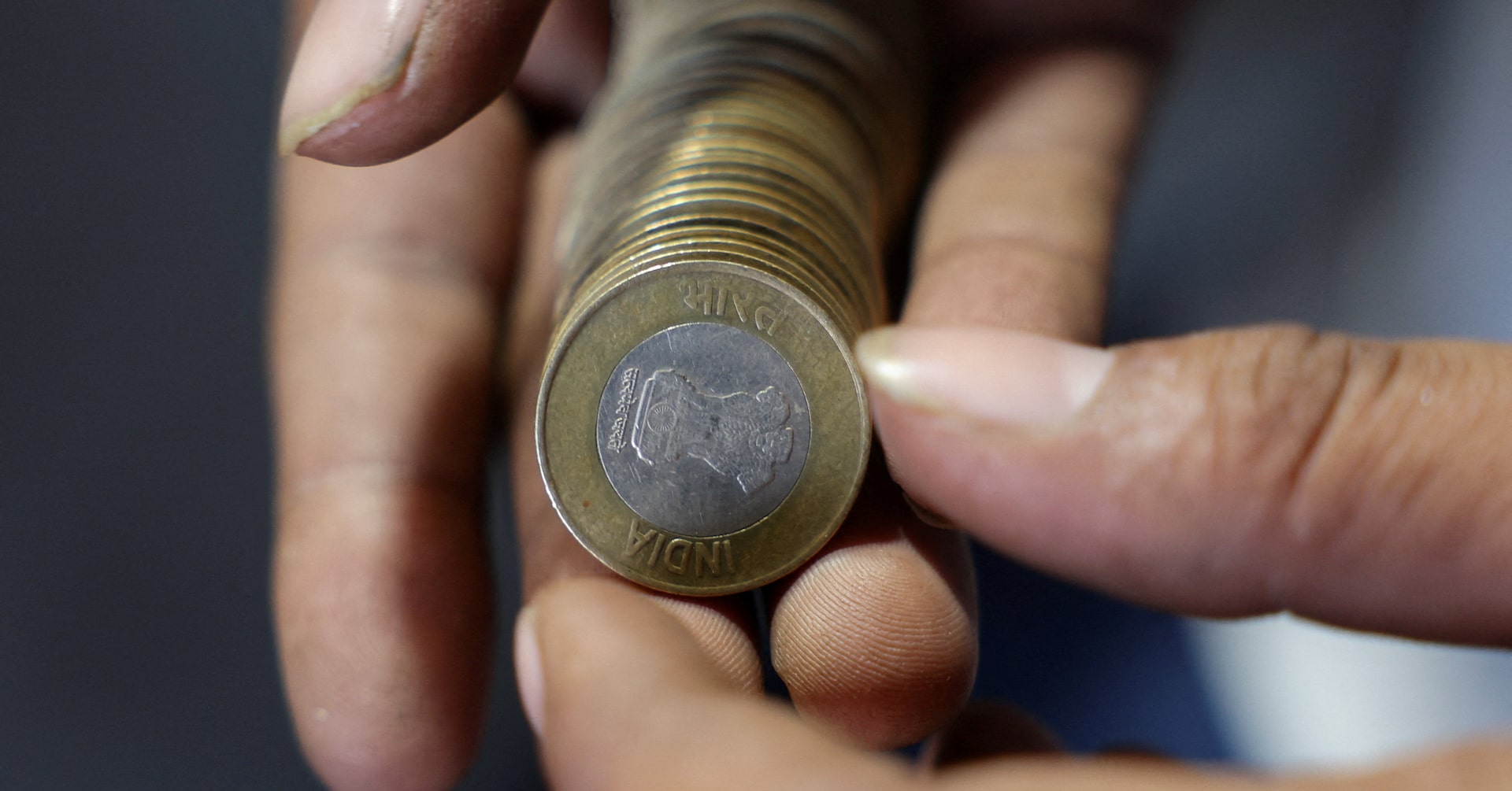
The Indian rupee came under pressure from surging crude prices, a stronger US dollar and Treasury yields, foreign fund outflows, and risk aversion linked to the US-Iran standoff and uncertainty over the Strait of Hormuz. After touching 95.95 earlier, it closed Monday at 96.03 per dollar and opened lower on Tuesday; traders watched whether the Reserve Bank of India would continue supporting the currency near 96. Brent crude rose above $108 a barrel on Monday as hopes for a diplomatic resolution faded, adding to pressure on India’s import bill. Market participants expected the rupee to remain under pressure, while upcoming US jobs and inflation data and Federal Reserve officials’ remarks could influence Treasury yields and the dollar.
Key Points
1
Foreign institutional investors sold Indian equities worth a net Rs 3,693.93 crore on Friday, adding to the rupee’s pressures from capital outflows.
2
The 10-year US Treasury yield rose above 5.2%, its highest level in about two decades, as markets reacted to the oil and geopolitical uncertainty.
3
CR Forex Advisors’ Amit Pabari identified Rs 96.10–Rs 96.20 as a resistance zone for the rupee and said a sustained fall below Rs 95.70 could open the way to Rs 95.20–Rs 95.00.
4
The rupee’s weakness was not shared across all Asian currencies: the Indonesian rupiah and Thai baht declined, while the Philippine peso and Malaysian ringgit gained.
Sentiment
Mostly NegativeNEGATIVENEUTRALPOSITIVE
Publishers
27
Articles
39
Reach
66
A
AnonymousAuthor


