Congo Ebola Outbreak Challenges
Africa CDC Identifies Five Major Challenges in Containing Congo's Rapid Ebola Outbreak
Anonymous
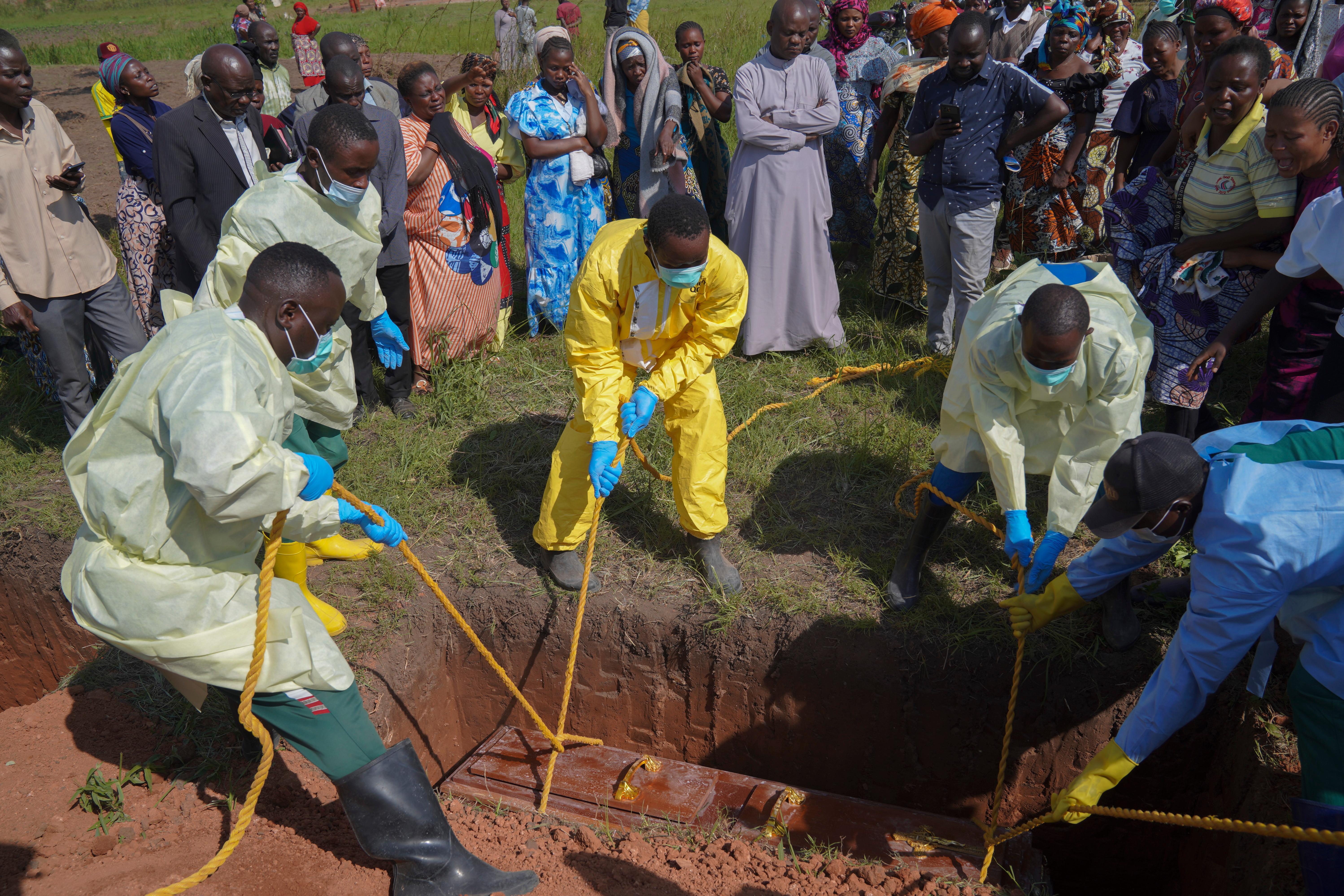
Eastern Congo's Ebola outbreak has exploded from 3 health zones to 60, with 6,250 cases and 3,039 deaths since mid-May Africa CDC. The Africa CDC identified five major barriers stopping health workers from containing the virus, including weak community surveillance and deep distrust of authorities.
Treatment centers in Ituri are overflowing, while North Kivu has too few hospitals to handle patients WHO. Insecurity, mass displacement, and population movement are fueling rapid spread faster than containment efforts can stop.
Surveillance Gaps Leave Cases Hidden
The biggest problem is nobody catching new cases early. Weak community-based surveillance means infected people move around for days before detection Africa CDC. People delay reporting sick family members. They distrust health workers. This causes preventable deaths that could have been stopped with quick isolation.
Insecurity and Displacement Spread the Virus
Armed conflict in eastern Congo forces people to flee their homes constantly Africa CDC. Displaced populations move between refugee camps and villages, carrying the virus with them. No stable communities mean no stable tracking. Insecurity also blocks health workers from reaching outbreak zones to test and vaccinate people.
Healthcare System Overwhelmed at Breaking Point
Ituri's treatment centers are saturated. Beds are full. Patients wait outside. North Kivu lacks enough specialized facilities to transfer sick people WHO. The region simply cannot absorb 6,250 cases. Doctors and nurses work 16-hour shifts with minimal protection, risking their own infections.
Building Trust Through Village-Centered Approach
To fight back, authorities launched a "village-centered approach" to rebuild trust Africa CDC. Health workers now spend time listening to communities instead of just giving orders. They address fears and rumors. This slow method works—people become willing to report cases and cooperate with contact tracing. But it takes time, and the virus moves fast.
Sentiment
NeutralNEGATIVENEUTRALPOSITIVE
Publishers
19
Articles
18
Reach
19
Topics
A
AnonymousAuthor


