Inside Oscar Statuette Lore
Hollywood's Ultimate Recognition: Exploring the Lore, Rules, and Value of the Oscar Statuette
Anonymous
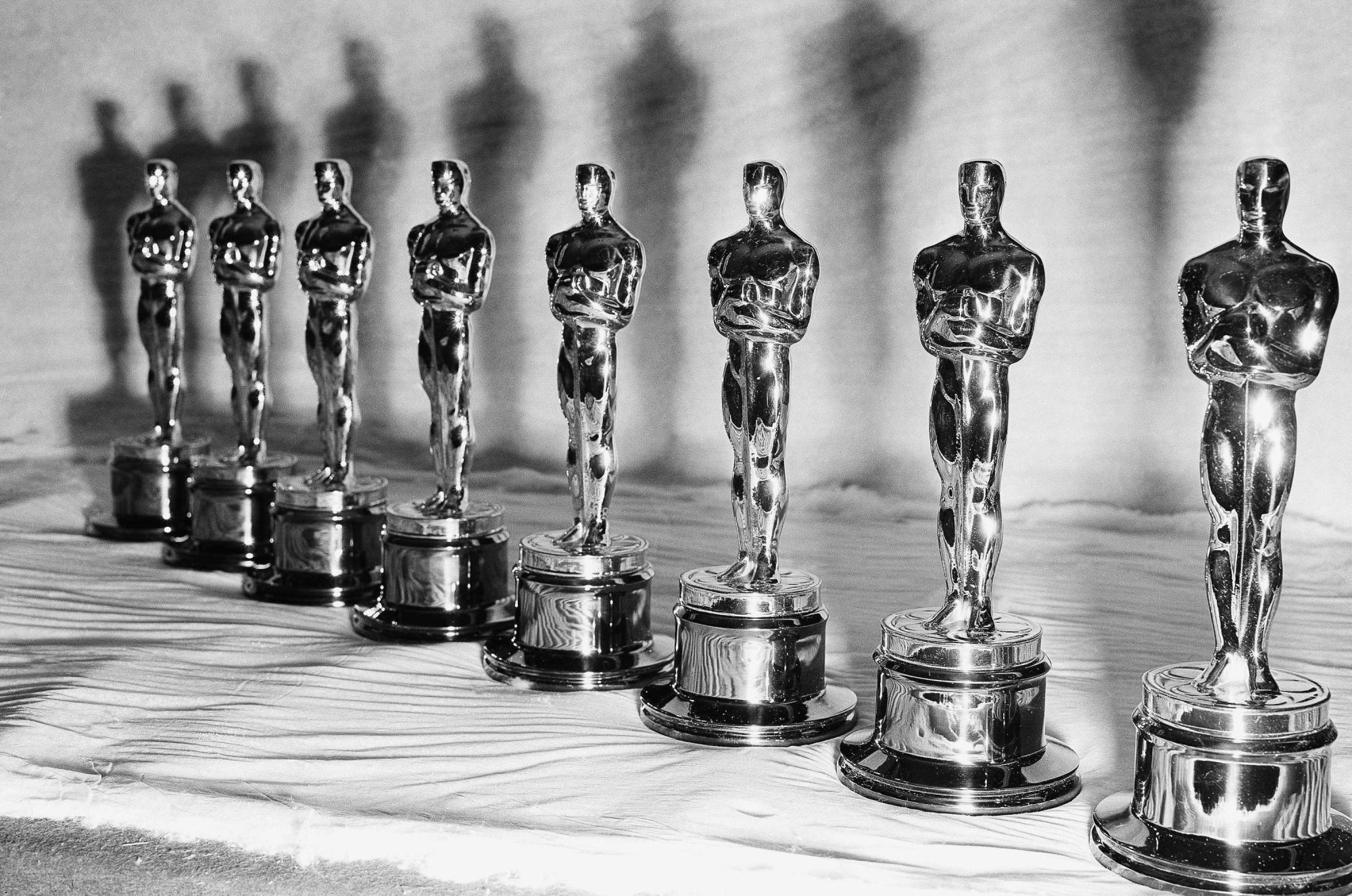
The Oscar statuette is Hollywood's most coveted prize, wrapped in mystery, lore, and surprising rules. Since the first Academy Awards ceremony in 1929, the Oscars have grown into a cultural touchstone and a billion-dollar industry. News Herald reports that studios now spend tens of millions on awards campaigns—yet winning an Oscar doesn't guarantee success or a better career.
One of Hollywood's strangest rules: if you won an Oscar after 1951, the Academy can buy it back from you for just $1. The Oscars themselves remain cultural barometers. Their television audience has risen and fallen since the first broadcast in 1953, reflecting shifts in what America watches and values.
From 1929 to Today: A Billion-Dollar Legacy
The Academy Awards began nearly a century ago as a small, exclusive ceremony. Daily Camera notes that the Oscars have since become a defining marker of American culture and entertainment. What started as recognition among peers turned into the most powerful award in film—capable of launching careers and defining which movies endure in history.
Why Studios Spend Millions for a Statue
Hollywood studios pour enormous resources into Oscar campaigns. Morning Journal reports that a single award can shift a film's box office performance, streaming numbers, and legacy. Yet the statuette's value is paradoxical: it means everything for prestige and nothing if it doesn't translate to profit or longevity. Many winners find their careers unchanged after winning.
The Academy's Surprising Buyback Rule
The Academy inserted an unusual clause into Oscar contracts starting in 1951. OC Register explains that winners cannot simply own their statuette forever. If a winner tries to sell it, the Academy has the right to buy it back for $1—a rule designed to keep Oscars in the Academy's hands and prevent them from becoming mere commodities on the auction block.
Viewing Trends Reflect Changing America
The Oscars broadcast debuted in 1953 and has been a cultural fixture ever since. Orlando Sentinel observes that viewership has fluctuated dramatically over the decades. Younger audiences have tuned out, while some years draw record numbers. The rise and fall of Oscar viewership reflects broader shifts in how Americans consume entertainment and what stories they care about celebrating.
Sentiment
NeutralNEGATIVENEUTRALPOSITIVE
Publishers
21
Articles
21
Reach
21
Topics
A
AnonymousAuthor


