Bitcoin's Price Rebound
Bitcoin Rebounds Above $80,000 as Short Liquidations Offset Macroeconomic Pressures
Anonymous
Key Points
1
Santiment identified two specific security incidents that contributed to negative sentiment: the Symbiosis Bitcoin Bridge exploit and a Revolut breach involving personal information from crypto customers.
2
U.S. spot Bitcoin ETFs recorded nearly $427 million in net outflows during the week, although flows turned positive on Thursday with almost $160 million of inflows after two consecutive days of withdrawals.
3
CoinShares said the Fed’s removal of expected rate cuts through 2027 from its dot plot could matter more than the 25-basis-point hike itself because it supports the dollar and delays the easier liquidity conditions that typically benefit Bitcoin.
4
The effects of higher rates may differ across crypto assets: stablecoin issuers such as Circle and Tether can benefit from higher yields on their Treasury and money-market reserves, while Ethereum and other altcoins may face greater pressure because stablecoin payment infrastructure is concentrated on those networks.
5
Bitcoin’s rally occurred alongside a mixed broader-market session: the S&P 500 fell 0.2%, the Dow dropped 0.4%, and the Russell 2000 declined 0.9%, while rising bond yields pushed the 10-year Treasury yield back above 5%.
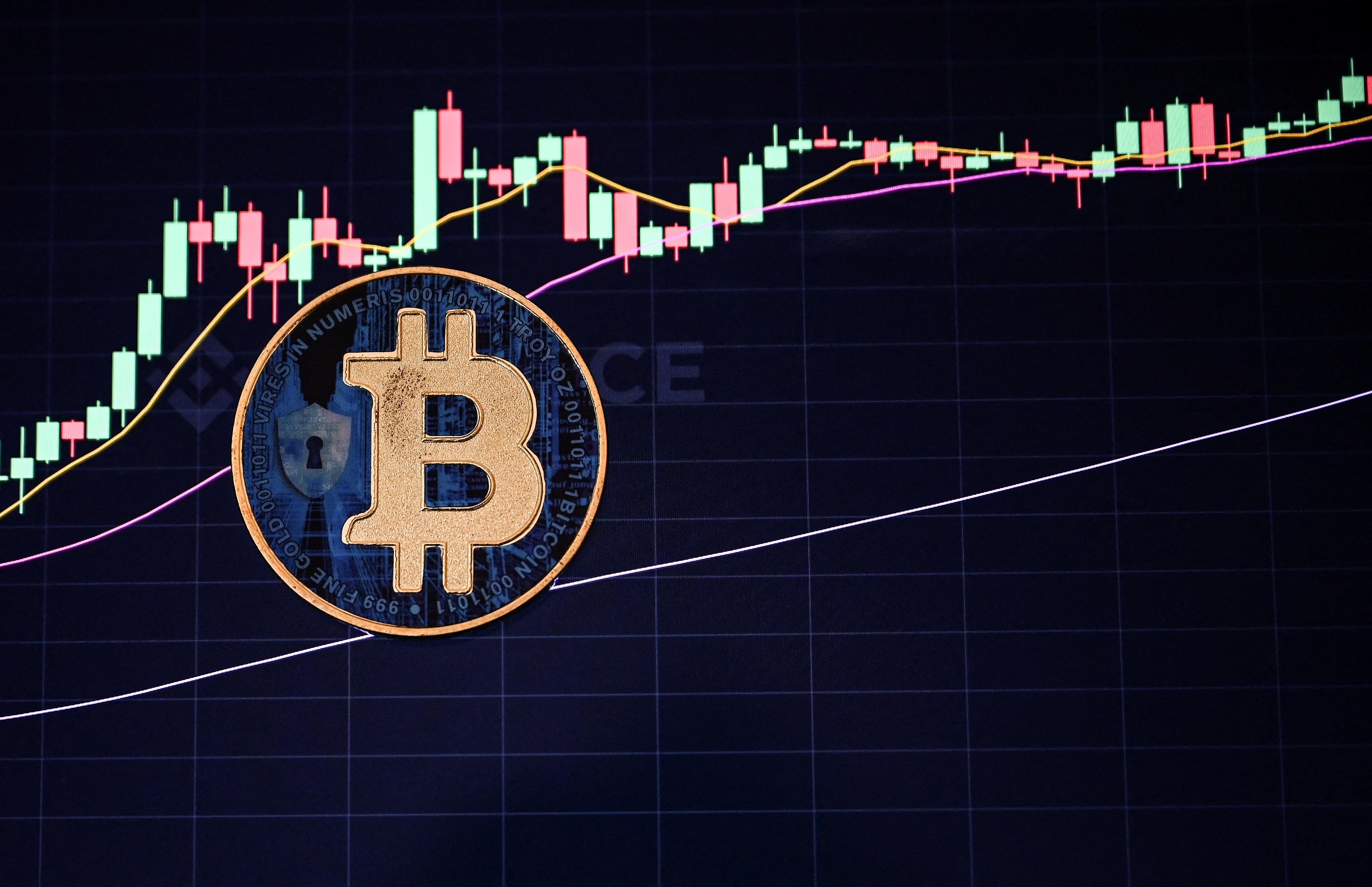
Bitcoin rebounded above $80,000 and briefly topped $81,000 on September 18, gaining roughly 6% in 24 hours as short-covering sparked liquidations of $183 million to $390 million in leveraged positions Forbes. The recovery followed the Federal Reserve's first rate hike since July 2023—a 25 basis point increase to 3.75%-4.00%—combined with the Senate's failure to advance crypto regulation through the CLARITY Act and rate hikes from the Bank of Japan.
The rally marked a sharp turnaround after Bitcoin plunged to $74,900 on September 15 following the Senate vote that blocked the CLARITY Act in a 49-50 vote Benzinga. U.S. spot Bitcoin ETFs recorded net inflows of $159.5 million on Thursday, led by $183.7 million into BlackRock's IBIT fund, reversing two straight days of heavy withdrawals CryptoNews.
A Senate Vote Sparks Crypto Selling and Short Squeeze
On September 15, the U.S. Senate rejected the CLARITY Act—a bipartisan bill that would split crypto regulation between the SEC and CFTC—in a 49-50 cloture vote Forbes. The failed vote immediately triggered $300 million in long liquidations and dropped Bitcoin nearly $2,200 to $74,900. Three days later, aggressive short covering reversed course, with over 100,000 traders liquidated as Bitcoin surged past $80,000 again.
Fed Rate Hike and Removed Future Rate Cuts Reshape Crypto Outlook
The Federal Reserve raised its policy rate by 25 basis points to 3.75%-4.00% on September 16, its first increase since July 2023 CryptoSlate. More significant than the rate bump itself, the Fed removed expected rate cuts through 2027 from its economic projections—a signal that easing won't arrive soon. According to CoinShares, this dot plot revision bolsters the U.S. dollar and delays the easier liquidity conditions that typically help Bitcoin rally.
CoinShares analyst James Butterfill warned that "a sustained break above $80,000 remains unlikely without significant monetary policy shifts." Higher rate environments benefit stablecoin issuers like Tether and Circle through Treasury yield gains, but pressure altcoins like Ethereum that rely on concentrated stablecoin infrastructure CoinShares.
Security Breaches and Japan's Rate Hike Add Pressure
Two major security incidents fueled brief market panic before the Bitcoin rebound. On September 11, an attacker exploited the Symbiosis Bitcoin Bridge and minted billions in synthetic syBTC before the vulnerability was patched Santiment. Days later, personal data from Revolut crypto customers was compromised. Both breaches rippled across sentiment trackers and contributed to broader selling pressure.
The Bank of Japan raised its policy rate to 1.25% on September 18—a 25 basis point hike that brought borrowing costs to 31-year highs CryptoSlate. This move, combined with the Fed's tighter stance, kept risk assets under pressure. The 10-year U.S. Treasury yield pushed above 5%, while the S&P 500 fell 0.2%, the Dow dropped 0.4%, and the Russell 2000 declined 0.9%.
Technical Strength Faces Overbought Conditions and Year-End Headwinds
Bitcoin's bullish structure remains intact above key moving averages after breaching $80,000, with CoinGlass traders viewing the move as a healthy short squeeze clearing overhead supply toward $82,000-$86,000 and beyond $88,000-$95,000. However, overbought indicators suggest room for pullback before any sustained push higher. Resistance clusters at $82,000-$82,300 could trigger consolidation.
Analysts warn that tighter liquidity, elevated bond yields above 5%, and Middle East tensions pushing Brent crude near $103 per barrel may weigh on risk assets into year-end Forbes. The weekly U.S. spot Bitcoin ETF outflows totaled nearly $427 million before Thursday's reversal, signaling lingering uncertainty about the macro backdrop despite Bitcoin's short-term bounce.
Sentiment
Mostly PositiveNEGATIVENEUTRALPOSITIVE
Publishers
129
Articles
100
Reach
229
A
AnonymousAuthor


