Undeclared Relationship Violated Standards
The Athletic investigation concludes Dianna Russini's relationship with Mike Vrabel violated newsroom standards.
Anonymous
Key Points
1
The Athletic’s internal review examined an extensive amount of Russini’s work—903 bylined stories, 77 videos, 204 podcast episodes, and 25 off-platform appearances—over about five months, and notes a timeline in which she informed editors on April 7 about an impending article and ultimately resigned on April 14.
2
The report concludes that Russini’s relationship with Vrabel was in clear violation of The Athletic’s standards and should have been disclosed, citing that the photographs published of the pair implied a relationship that could jeopardize The Athletic’s credibility, regardless of romantic status.
3
Although the investigation did not establish clear bias in her reporting, it acknowledged there were moments where Russini’s writing about Vrabel appeared glowingly favorable, which in hindsight feels awkward and suggested a conflict of interest.
4
The Athletic initially defended Russini, with executives saying the published photos lacked context, before the company launched a formal five-month standards review of her work.
5
A notable finding, reported by The Athletic, is that Russini brokered a meeting between Vrabel and a reporter which helped catalyze a Vrabel-related piece; she did not attend the meeting herself, illustrating how connections can influence reporting even when the journalist is not directly involved in the final story.
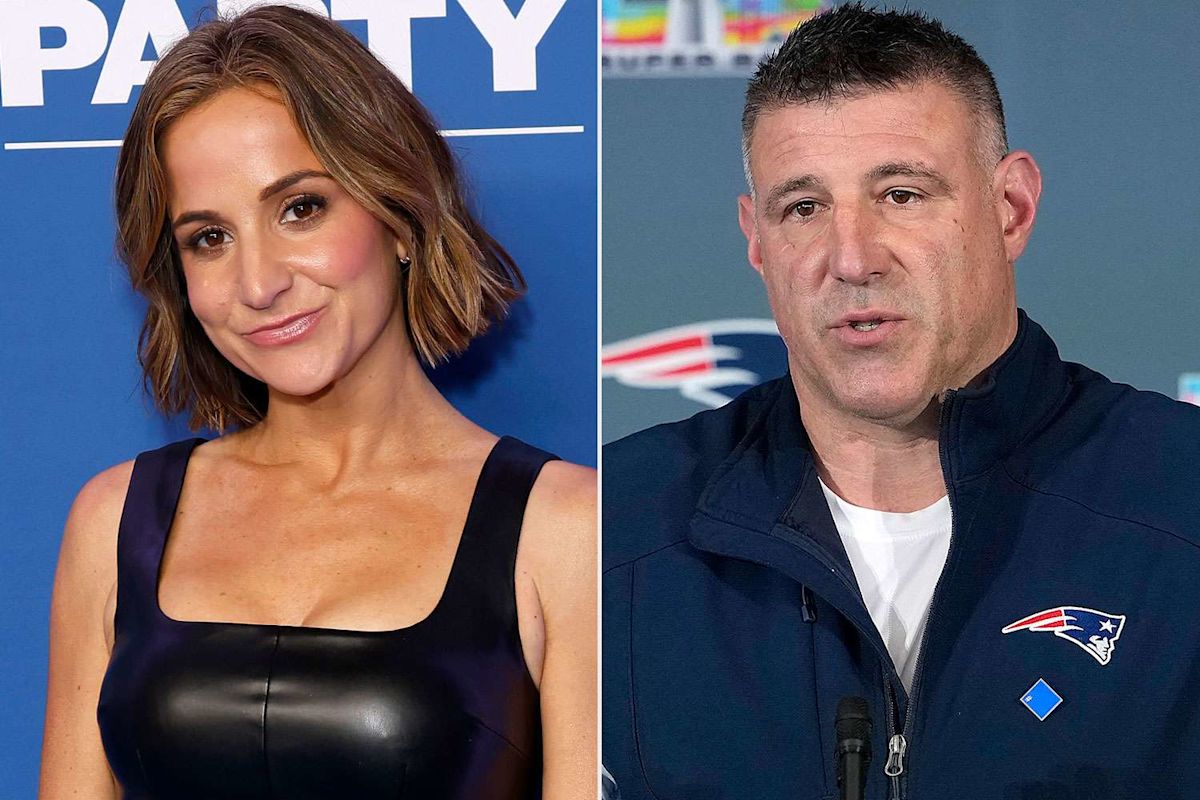
The Athletic completed a five-month investigation into former reporter Dianna Russini's relationship with New England Patriots head coach Mike Vrabel and concluded it violated newsroom standards and should have been disclosed. The report, released September 3, found no clear evidence of reporting bias but determined the undisclosed relationship created a conflict of interest that jeopardized the outlet's credibility. Russini resigned April 14 as scrutiny intensified following tabloid photos of the pair at a Sedona resort in late March.
Editorial Director for Standards and Quality Mike Semel wrote in the report: "Russini's relationship with Vrabel was in clear violation of The Athletic's standards... Regardless of whether the relationship was romantic, it was a breach and should have been disclosed." The investigation examined 903 bylined stories, 77 videos, 204 podcast episodes, and 25 off-platform appearances over roughly five months.
How Tabloid Photos Sparked The Athletic's Probe
Photographs of Russini and Vrabel together at a Sedona resort surfaced in late March 2026, weeks before the NFL owners meetings in Phoenix. The New York Post's Page Six published the images April 7. Russini immediately told The Athletic editors about the impending article, describing the relationship as close but professional. Executive Editor Steven Ginsberg initially defended her publicly, saying the photos "lacked essential context."
Most Reporting Showed No Direct Vrabel Bias
The investigation did not establish clear bias in Russini's overall body of work. The vast majority of her 903 bylined stories covered other NFL topics unrelated to Vrabel or his teams. Among pieces that did mention Vrabel, roughly one-third involved transactions or routine team news. The Athletic found no exclusive Vrabel stories that suggested preferential access or favorable treatment driven by personal connection.
However, the report acknowledged that some of Russini's writing about Vrabel read as "glowingly favorable" in hindsight. One notable instance: Russini brokered a meeting between Vrabel and another The Athletic reporter, which helped catalyze a Vrabel-related story she did not directly cover. This illustrated how personal connections can influence reporting even when the journalist steps back from the final byline.
Russini Departed Before Report Release
As scrutiny intensified in mid-April, The Athletic launched its formal standards review. On April 14, Russini resigned ahead of her June 30 contract expiration. In a statement posted to X, she wrote: "I have covered the NFL with professionalism and dedication... I have no interest in submitting to a public inquiry that has already caused far more damage than I am willing to accept." After the September report, she added: "I stand by any and all reporting I've ever done in my career."
NFL spokesperson Brian McCarthy confirmed April 20 that the league would not launch a separate investigation into Vrabel. Vrabel initially called claims of impropriety "completely innocent" and "laughable." He later told NBC's TODAY show: "I've had some difficult conversations with people that I care about." The Athletic, owned by The New York Times Co., emphasized that Vrabel's coaching status remained separate from the journalism investigation.
Standards Enforcement Gaps Exposed Across Industry
The case underscored weak disclosure policies in sports newsrooms where close source relationships are routine. The Athletic standards dictate that journalists must disclose personal connections that create actual or perceived conflicts of interest. The failure to do so here — despite editors' awareness of the budding scrutiny — exposed enforcement gaps. The Athletic's report recommended clearer conflict-of-interest guidelines and stronger internal accountability mechanisms going forward.
Russini joined The Athletic in August 2023 after eight years at ESPN. Media analysts noted the scandal reflects structural risks in "NFL insider" journalism, where reliance on exclusive source access frequently strains newsroom boundaries. Sports journalist Mike Silver suggested Russini will likely return to media eventually, though probably not immediately as a primary news insider covering the league.
Sentiment
Mostly NegativeNEGATIVENEUTRALPOSITIVE
Publishers
29
Articles
26
Reach
55
A
AnonymousAuthor


