Santos Market Manipulation
George Santos Settles CFTC Case for $35,000, Faces 3-Year Trading Ban
Anonymous
Key Points
1
Two weeks before the State of the Union, Santos publicly posted about whether he would attend and even asked what to wear, then posted travel updates (plane and train) while trading both sides of the Kalshi contract, a sequence the CFTC said moved prices in a way that benefited his positions.
2
Kalshi’s enforcement team indicated it will pursue its own enforcement action against Santos for violating exchange rules, and the firm said any monetary penalties recovered could be used to reimburse affected traders; the company’s system reportedly flagged the manipulation within seconds of the posts.
3
The settlement includes precise figures: disgorgement of $17,569.98 in profits and a civil penalty of $17,500, for a total of $35,000, plus a three-year ban from trading products overseen by the CFTC (including futures and other derivatives).
4
Santos has a prior criminal history tied to his 2023 expulsion from Congress and later conviction for wire fraud and aggravated identity theft; he was commuted by President Trump in October 2025, with the White House stating the commutation cited mistreatment during confinement.
5
Kalshi is navigating broader legal scrutiny beyond Santos, including New York’s suit seeking a shutdown and damages, Nevada’s block on its sports and election contracts as illegal gambling, and a Minnesota dispute involving similar regulatory concerns.
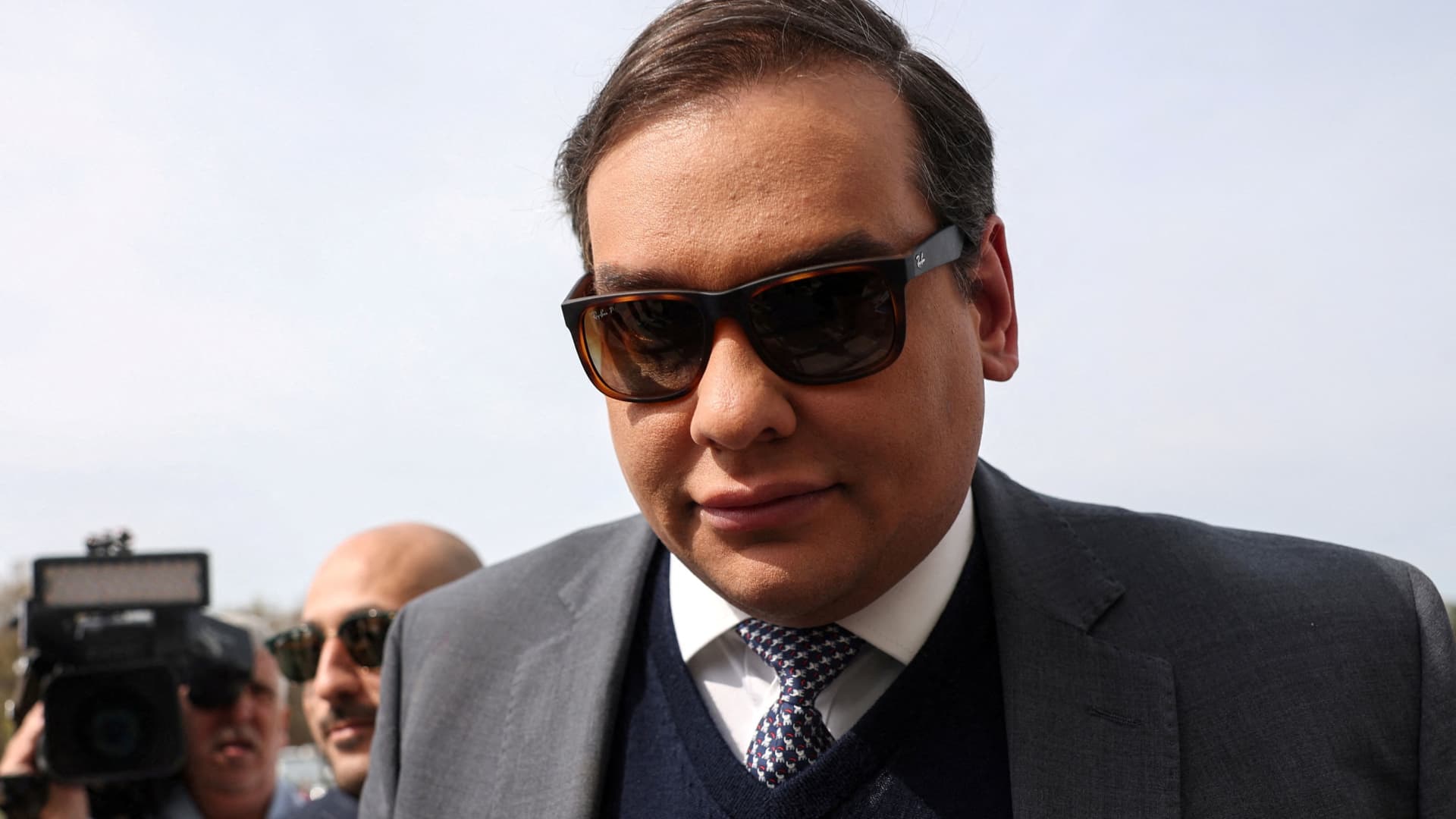
Former congressman George Santos has agreed to pay $35,069.98 to settle federal charges that he manipulated a prediction market contract on Kalshi, the CFTC announced. The settlement requires Santos to disgorge $17,569.98 in profits and pay a $17,500 civil penalty — a total of roughly $35,000 — plus a three-year ban from trading any products overseen by the CFTC, including futures and other derivatives. Bloomberg Law reported the settlement.
The contract in question was tied to a simple yes-or-no question: Would Santos attend the 2026 State of the Union? The CFTC said he exploited his own social media posts to move the contract's price while trading both sides of it, pocketing more than $17,500 in the process. Finance Feeds reported that the agency found his posts moved prices in a way that directly benefited his positions.
How Santos Allegedly Rigged His Own Prediction Market
Two weeks before the State of the Union, Santos began posting on social media about whether he would attend the event. He asked followers what he should wear. He then posted real-time travel updates — one from a plane, one from a train — according to Bloomberg Government. Each post moved the Kalshi contract's price. Santos was trading both sides of the contract the whole time.
The CFTC said this sequence was not a coincidence. Santos timed his posts to shift prices in a direction that helped his open positions. Kalshi's enforcement system flagged the suspicious activity within seconds of the posts going live. The agency called his trading "manipulative" and said it violated federal commodity trading laws.
Kalshi Says It Caught the Trades Instantly — and Wants More
Kalshi told regulators it flagged Santos's trades almost immediately after his posts appeared. The company confirmed it reported the activity to the CFTC and said it may pursue its own separate enforcement action against Santos for violating exchange rules. Bloomberg Law noted that any money Kalshi recovers through that action could be used to reimburse traders who were on the losing side of Santos's scheme.
The case shows how fast manipulation can happen on prediction markets. Santos's posts moved prices in seconds. Kalshi's system caught it in seconds too. But the trades had already gone through, meaning other traders lost money before anyone could stop it.
Santos's Criminal Past and Trump's 2025 Commutation
Santos was expelled from the U.S. House of Representatives in December 2023 — only the sixth member ever removed that way. He later pleaded guilty to wire fraud and aggravated identity theft. But in October 2025, President Trump commuted his sentence. Freedom 96.9 reported that the White House said the commutation was based on Santos's alleged mistreatment during confinement.
The commutation cleared his criminal sentence but did not protect him from civil regulators. The CFTC's case against him moved forward anyway. The settlement is civil, not criminal, meaning Santos faces fines and a trading ban rather than prison time for this specific conduct.
Kalshi Faces Broader Regulatory Battles Across Multiple States
The Santos case is not the only legal trouble Kalshi is dealing with. New York has filed a lawsuit seeking to shut the platform down entirely and collect damages. Nevada has blocked Kalshi from offering sports and election contracts, calling them illegal gambling. Minnesota has raised similar concerns. Bloomberg Law noted the Santos case adds to growing regulatory scrutiny of prediction markets as retail trading on them surges.
Prediction markets let users bet real money on real-world outcomes — elections, sports, economic data, even whether a congressman will show up to a speech. The CFTC has expanded oversight of these platforms in recent years. The Santos settlement signals that regulators are watching traders closely, especially when a trader has direct influence over the outcome they are betting on.
Sentiment
Mostly NegativeNEGATIVENEUTRALPOSITIVE
Publishers
22
Articles
113
Reach
135
A
AnonymousAuthor


