College NIL Debate
Lincoln Riley Calls for Sweeping NIL Rule Reforms in College Football Amid Record Spending
Anonymous
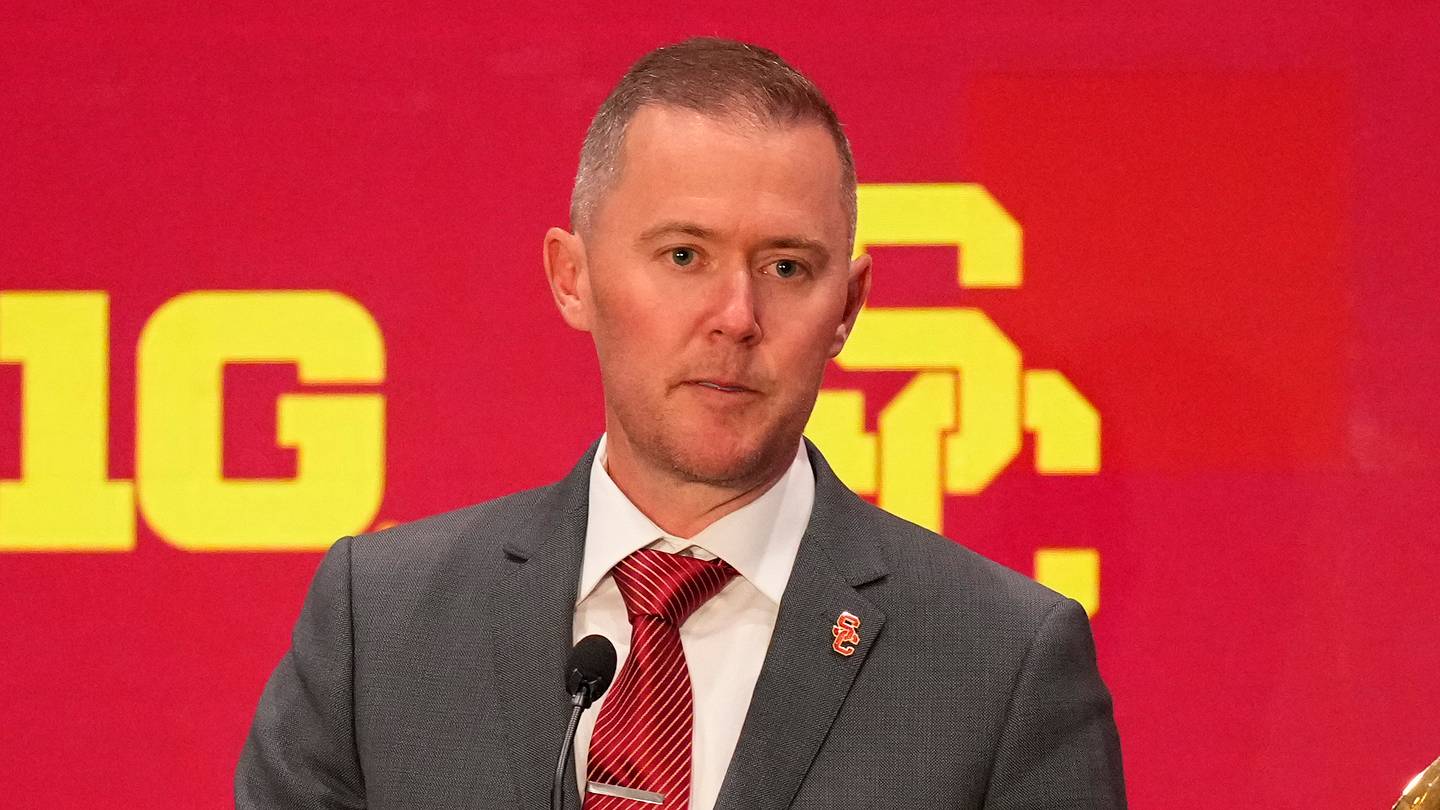
USC head coach Lincoln Riley is calling for major changes to how college football handles Name, Image, and Likeness — known as NIL — rules. Riley's push comes as spending has exploded across the sport. In 2024, Ohio State's national championship roster carried an estimated value of $20 million, according to Sports Illustrated.
Other top programs spent even more. Schools like Texas, Oregon, and Miami pushed their overall estimated roster value and collective spending past the $30 million to $40 million mark, according to The Sacramento Bee. Riley says the current system needs guardrails before spending gets further out of hand.
How NIL Became a $40 Million Arms Race
NIL rules allow college athletes to earn money from endorsement deals, sponsorships, and other business opportunities. When the NCAA first opened the door in 2021, few expected spending to climb this fast. By 2024, top programs were spending tens of millions just to build their rosters, according to The News Tribune.
Schools use outside groups called "collectives" to funnel money to athletes. These collectives work alongside — but technically separate from — the university. The result is a bidding war for top talent that smaller programs simply cannot win. Riley has said the current level of spending has "normalized" in a way that concerns him, per Sports Illustrated.
House v. NCAA Settlement Rewrites the Rulebook in 2025
A landmark legal case reshaped college sports in 2025. The House v. NCAA settlement resolved three federal antitrust lawsuits. Athletes argued the NCAA was illegally capping how much money they could earn. The settlement agreed — and changed the rules entirely, according to The State.
Under the new framework, Division I schools can now directly pay athletes and share revenue with them. Athletes can also sign endorsement deals with brands and businesses on their own. The settlement essentially turned college sports into a semi-professional model, giving athletes far more financial power than ever before.
Save College Sports Act Aims to Rein In the Chaos
Congress is now stepping in. A bipartisan bill called the Save College Sports Act has been introduced to add structure to the new NIL era. The bill targets some of the messiest parts of the current system, according to The Macon Telegraph.
Key proposals in the bill include limiting how often athletes can transfer between schools, extending eligibility to five years, banning professional athletes from competing in college sports, and stopping coaches from poaching players at other programs. Supporters say the rules would level the playing field. Critics worry they limit athlete freedom.
Riley Wants Rules That Keep College Football Competitive
Riley has not called for eliminating NIL. Instead, he wants smarter rules that make competition fair. He argues that when one school can build a $20 million roster, it is no longer a level playing field, according to The Herald Sun.
USC competes in the Big Ten, one of the richest conferences in college football. Even so, Riley says the sport needs structure to survive long-term. His voice adds weight to growing calls — from coaches, athletic directors, and now Congress — to bring order to a system that changed faster than anyone planned.
Sentiment
NeutralNEGATIVENEUTRALPOSITIVE
Publishers
8
Articles
7
Reach
8
A
AnonymousAuthor


