Japan's Intelligence Overhaul
Japan launches National Intelligence Bureau, its first since WWII, to consolidate intelligence efforts.
Anonymous
Key Points
1
The National Intelligence Bureau has the authority to compel information sharing from ministries and other agencies and to manage classified data within a secure environment, enhancing information flow across the government.
2
The bureau was created by upgrading the Cabinet Intelligence and Research Office, rather than being an independent, CIA‑style foreign intelligence service.
3
The National Intelligence Council’s secretariat role, and its membership, include high‑level ministers such as Chief Cabinet Secretary Minoru Kihara, the foreign and defense ministers, and the chair of the National Public Safety Commission (defining the council’s breadth and oversight).
4
A New York Times‑driven case shows the GRU’s 20th Directorate ran a weapons‑components procurement network in a Tokyo high‑rise for about 17 months (Feb 2024–summer 2026), with the operator having left Japan before the bureau existed, highlighting legal gaps that limit action even as coordination improves.
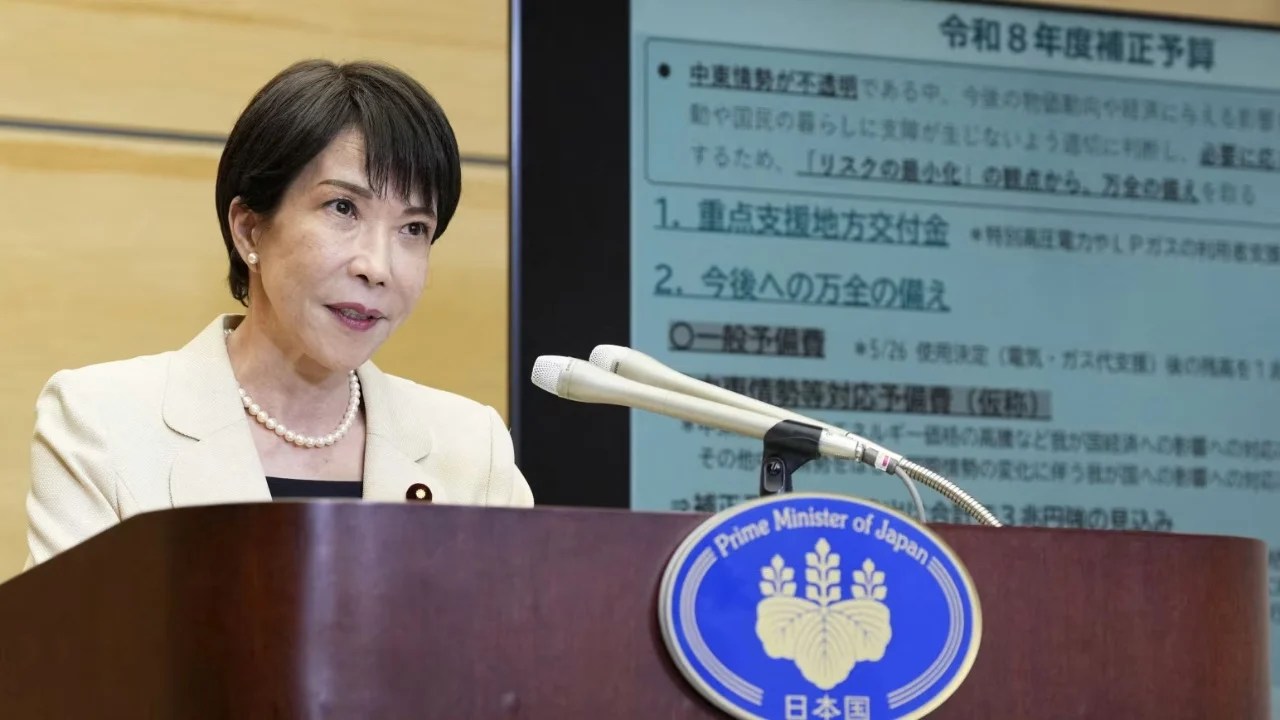
Japan launched its National Intelligence Bureau on Thursday, marking the country's first centralized foreign intelligence body since World War II. The bureau has about 730 staff and reports directly to Prime Minister Sanae Takaichi, according to UPI.
The move is one of Japan's biggest security reforms in decades. It consolidates intelligence work from five agencies — the Cabinet Office, Foreign Ministry, Defense Ministry, National Police Agency, and others — into a single coordinating body. Analysts had long called Japan a "paradise for spies" due to gaps in its legal authority to counter foreign threats, according to Tri-City Herald.
How the New Bureau Was Built and Who Runs It
Japan did not build the bureau from scratch. Instead, officials upgraded the existing Cabinet Intelligence and Research Office, according to UPI. Director Kazuya Hara leads the agency. A newly formed National Intelligence Council sits above it, chaired by the prime minister herself.
The council includes senior ministers: Chief Cabinet Secretary Minoru Kihara, the foreign minister, the defense minister, and the chair of the National Public Safety Commission. The bureau serves as the council's secretariat — meaning it handles the day-to-day coordination work that feeds intelligence up to top decision-makers, according to Albeu.
New Powers to Share Data Across Government Agencies
The bureau has one significant new tool: the authority to compel ministries and agencies to share intelligence. Before, departments often kept information siloed. Now the bureau can demand data and manage classified material in a secure environment, according to Kansas.com.
Japan is also working on its first-ever national intelligence strategy. Officials want to expand counter-espionage efforts as foreign threats grow. But the bureau still cannot run covert operations or take action overseas. It coordinates — it does not conduct spy missions, according to UPI.
A Russian Spy Network in Tokyo Exposed the Old System's Gaps
A recent case shows exactly why Japan needed this reform. Russia's military intelligence unit, the GRU, ran a weapons-parts procurement network out of a Tokyo high-rise for about 17 months — from February 2024 through the summer of 2026. The operation went on largely undetected, according to Macon.com.
The operator had already left Japan before the new bureau existed. Japan's old system lacked the coordination to catch it in time. The case makes clear that better information-sharing is urgently needed — even as legal limits still prevent Japan from acting the way the CIA or MI6 can, according to Tri-City Herald.
What Japan Still Cannot Do — and Why That Matters
Despite the reform, Japan's new bureau is not a CIA equivalent. It has no overseas spy network and no authority for covert action. Officials acknowledge this gap. Building a foreign human intelligence capability would require new laws — and that debate has barely started, according to UPI.
For now, the bureau's value lies in coordination, not collection. Japan shares intelligence with allies like the United States and Australia. But it depends heavily on partners for raw overseas intelligence. The new structure improves how Japan uses that information — it does not yet fix how Japan gathers it, according to Albeu.
Sentiment
Mostly NegativeNEGATIVENEUTRALPOSITIVE
Publishers
25
Articles
37
Reach
62
Topics
A
AnonymousAuthor