Empowering Patients in Healthcare
Dr. Cairl's Book Proposes Empowering Patients to Reshape U.S. Healthcare System
Anonymous
Key Points
1
Cairl identifies short clinical visits and fragmented information flows as key factors contributing to patient disengagement, which can leave individuals disconnected from their care and hinder understanding of treatment plans.
2
The model envisions leveraging remote health monitoring alongside digital health platforms and artificial intelligence to keep patients connected and supported outside traditional clinic visits.
3
The book highlights concrete factors—lifestyle habits, medication adherence, preventive care, and patient understanding of medical conditions—as central triggers shaping both individual health and national healthcare spending.
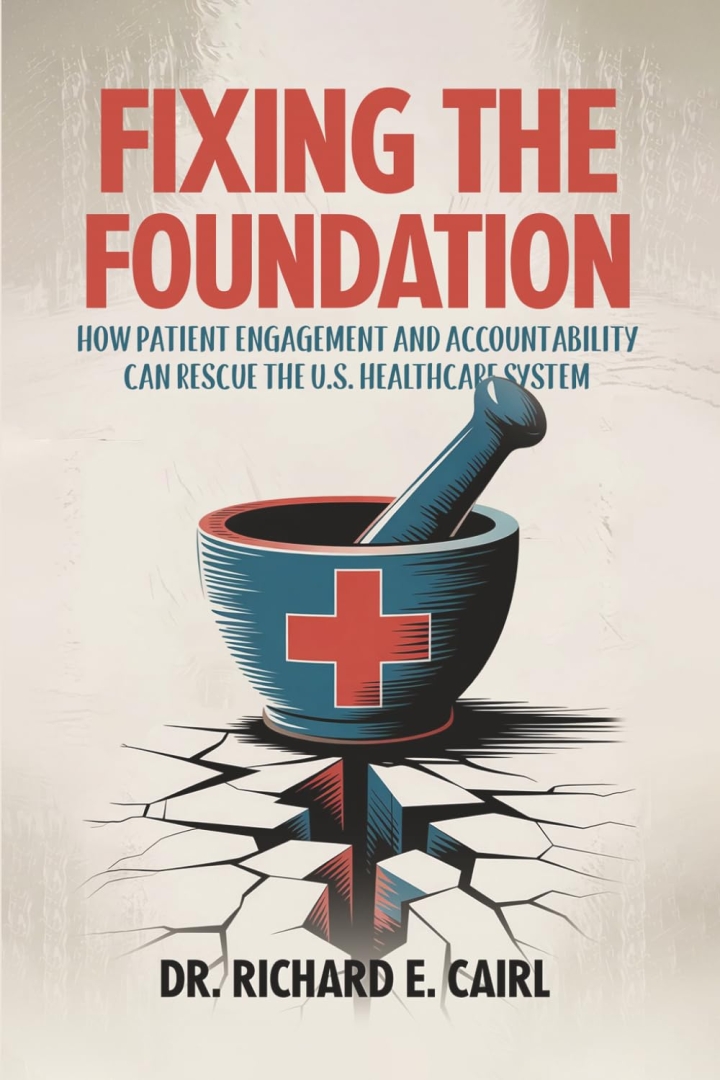
Healthcare expert Dr. Richard E. Cairl has published a new book arguing that the U.S. healthcare system needs a fundamental overhaul — one that puts patients at the center of their own care. The book, titled *Fixing the Foundation: How Patient Engagement and Accountability Can Rescue the U.S. Healthcare System*, calls for a shift from treating patients as passive recipients to empowering them as active partners, according to WBOC.
Cairl contends that chronic disease, driven largely by everyday habits and poor engagement, is the primary engine behind runaway U.S. healthcare costs. He lays out a practical reform path built on prevention, better communication, and sustained patient involvement, Press Release CC reported.
Short Visits and Fragmented Care Leave Patients Behind
Cairl identifies two key structural problems in today's system. First, clinical visits are too short. Second, health information is scattered and hard to follow. Together, these issues leave patients confused and disconnected from their own treatment plans, according to WBOC.
When patients don't understand their care, they disengage. That disengagement has real consequences. Missed medications, skipped follow-ups, and poor lifestyle choices all add up — driving worse health outcomes and higher costs across the entire system, Press Release CC reported.
Lifestyle Habits and Medication Adherence Drive National Spending
The book zeroes in on four concrete factors that shape both individual health and national healthcare spending: lifestyle habits, medication adherence, preventive care, and patient understanding of their own conditions. Cairl argues these are not minor details — they are the core triggers of the chronic disease crisis, according to Financial Content.
Chronic disease already accounts for roughly 90% of the $4.5 trillion the U.S. spends on healthcare each year. Cairl's position is that much of that cost is preventable. Small, sustained changes in daily behavior — like taking prescribed medication consistently — can dramatically alter long-term health trajectories, WBOC reported.
AI and Remote Monitoring Can Extend Care Beyond the Clinic
Cairl's model does not stop at the doctor's office door. He envisions digital health platforms, artificial intelligence, and remote monitoring tools keeping patients connected and supported between visits. These technologies can flag problems early and help patients stay on track, according to Press Release CC.
The goal is continuity. A patient managing diabetes or heart disease should not have to wait weeks for the next appointment to get guidance. AI-driven tools can fill that gap — delivering real-time feedback and nudging better decisions every day, Financial Content reported.
Shared Responsibility Is the Book's Defining Call to Action
Cairl does not place the burden solely on patients. He frames reform as a shared responsibility among patients, providers, and healthcare systems. Each group must play an active role. Providers must communicate more clearly. Systems must make it easier for patients to stay engaged, WBOC reported.
The book's tone is hopeful and practical. Cairl is not calling for a single sweeping policy fix. Instead, he argues that better daily decisions — backed by smarter tools and stronger relationships between patients and providers — can collectively rescue a system under serious strain, according to Financial Content.
Sentiment
Mostly PositiveNEGATIVENEUTRALPOSITIVE
Publishers
23
Articles
35
Reach
58
Topics
A
AnonymousAuthor


