German Political Landscape
Germany Faces New Political Dynamics Amid Evolving Domestic and International Challenges
Anonymous
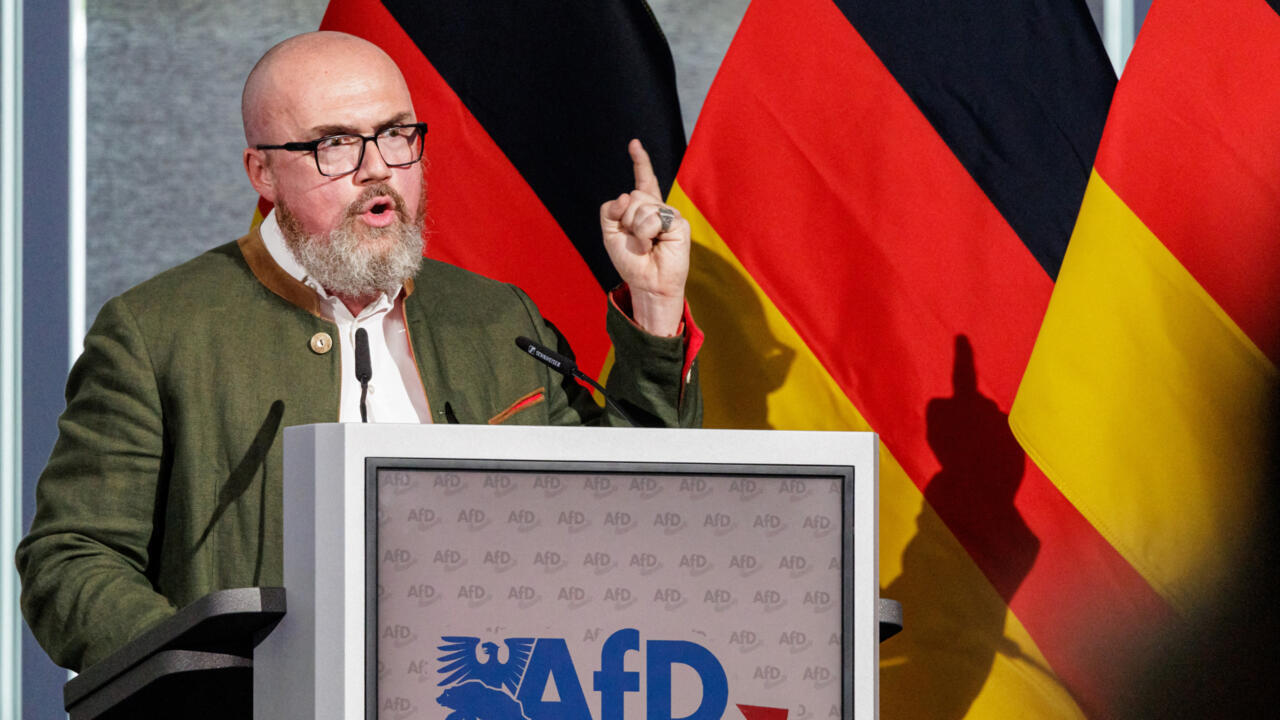
Germany's far-right Alternative for Germany party (AfD) is poised to make history by becoming the first far-right party to form a state government since World War II, driven by strong support in the eastern state of Saxony-Anhalt. France24 reports that Hans-Thomas Tillschneider, the party's ideologist in the region, is leading the charge. The AfD's rise reflects growing alarm in Berlin over potential threats to security, the military, and NATO commitments.
The party, founded in 2013, has capitalized on regional discontent and nostalgia for East German symbols to expand its influence. Outside the Beltway notes that Germany's proportional representation system has amplified the AfD's political power. Experts warn the party's electoral success signals a dangerous shift in German politics that extends far beyond local elections.
AfD Breaks Into Eastern State Power
Saxony-Anhalt's election marks a watershed moment. France24 reports the AfD is set to become the first far-right party to govern a German state since the Nazi era ended in 1945. Hans-Thomas Tillschneider, a key ideologist, is leading the party's political vision in the region. The AfD is leading by a wide margin in polls, raising questions about coalition negotiations among other parties.
The state government role would give the AfD unprecedented control over regional institutions, including security forces and education policy. Albeu emphasizes that Berlin is deeply concerned about the implications. The victory would demonstrate the party's ability to translate protest votes into actual government power.
Security and NATO Concerns Grip Berlin
German officials are alarmed by what an AfD-led state government could mean for national security. Albeu reports that Berlin's primary concerns center on three areas: control over regional police and security services, potential influence over military installations, and NATO coordination. The far-right party's skepticism toward NATO and military spending could complicate defense commitments.
An AfD government in Saxony-Anhalt would provide a test case for how far-right parties can reshape security policy at the regional level. This directly threatens Berlin's ability to maintain unified control over defense and intelligence matters across the country.
How AfD Weaponized East German Nostalgia
The AfD has crafted a clever campaign strategy by reviving symbols of communist-era East Germany. Albeu reports that the party deployed classic Simson scooters—iconic vehicles from the former German Democratic Republic—as campaign symbols. The move taps into regional pride and frustration among older voters who remember pre-unification life.
This symbolic politics works because it connects economic anxiety to a mythologized past. The scooter campaign positions the AfD as defenders of regional identity against what they portray as an uncaring western establishment. It's a powerful emotional tool in states where reunification benefits were unevenly distributed.
Germany's System Fuels Far-Right Growth
Outside the Beltway warns that Germany's proportional representation electoral system may be accelerating the AfD's rise. Unlike winner-take-all systems, proportional representation allows smaller parties to gain seats proportional to their vote share. This gives the AfD a pathway to power that would be nearly impossible in other democracies.
The AfD, founded in 2013, has grown from a protest movement to a serious electoral force in less than a decade. Scholar-journalist Hans Kundnani has flagged this trajectory as alarming for German democracy. Without electoral reforms or coordinated opposition, the party could replicate its Saxony-Anhalt success in other eastern states.
Sentiment
Mostly NegativeNEGATIVENEUTRALPOSITIVE
Publishers
15
Articles
10
Reach
25
Topics
A
AnonymousAuthor


