Global Daylight Explained
Most of Earth's Population Experiences Near-Simultaneous Daylight Around July 8 Annually
Anonymous
Key Points
1
The moment on July 8 occurs at about 11:10 GMT, which translates to roughly 4:45 pm in India and about 7:15 am on the US East Coast.
2
Roughly 90% of the world’s population lives in the Northern Hemisphere, which helps explain why most people experience daylight overlap at once.
3
The window for near-global daylight or twilight spans about 60 days each year, roughly May 18 to July 17, and July 8 is not the sole date when this occurs.
4
A more granular breakdown reports about 83% of people in daylight on July 8, with hundreds of millions in civil twilight (≈581 million), nautical twilight (≈498 million), and astronomical twilight (≈249 million), and roughly 83 million in darkness, within a global population around 8.2 billion.
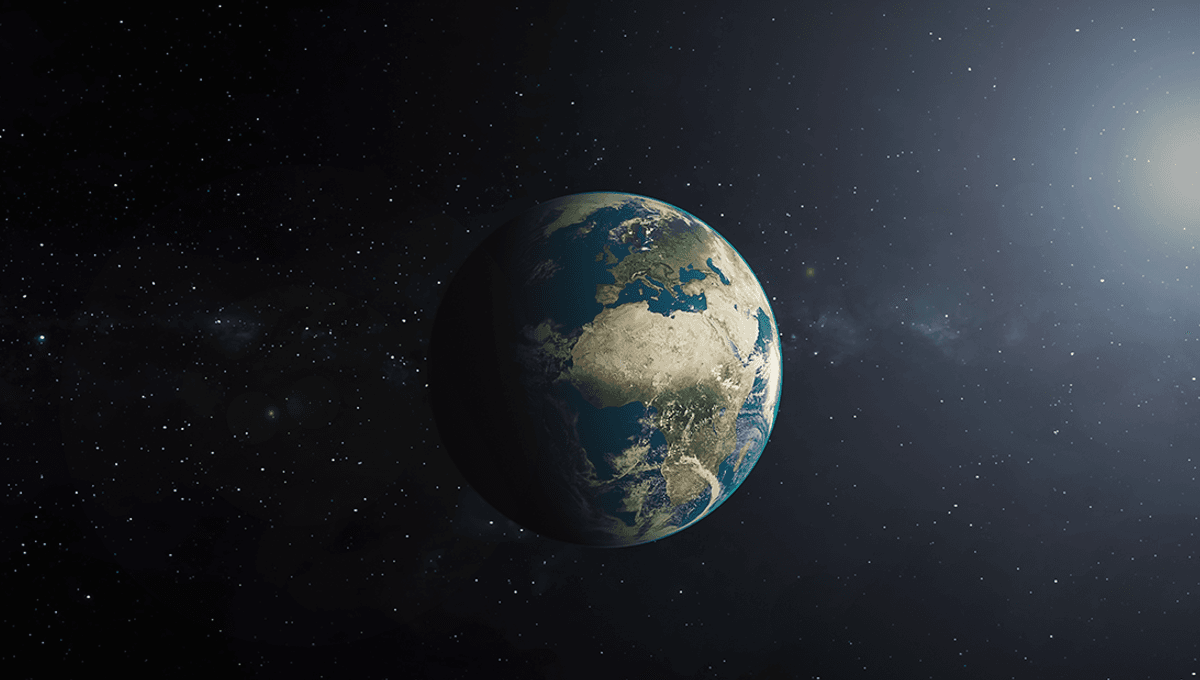
On July 8, at roughly 11:10 GMT, about 99% of the world's 8.2 billion people will be in daylight or twilight at the same moment, according to Al Jazeera. That means only around 83 million people — just over 1% — will be in true darkness.
The event sounds like a rare cosmic miracle. But scientists say it is not. The same conditions hold for about 60 days each year, from roughly May 18 to July 17, according to IFLScience. July 8 simply went viral.
Earth's Tilt and Northern Population Drive the Effect
The reason is simple: about 90% of the world's population lives in the Northern Hemisphere, according to Al Jazeera. In early July, the Northern Hemisphere is tilted toward the Sun. Days are long. Nights are short. That means billions of people share sunlight at the same time.
Earth's 23.5-degree axial tilt is the key, according to Ratopati. It stretches the daylight zone far into the north, covering densely packed regions like India, China, Europe, and North America all at once. Without that tilt, the effect would not exist.
What 99% Actually Means: Daylight, Dusk, and Dark
The 99% figure includes different levels of light. About 83% of people — nearly 6.8 billion — are in full daylight. Around 581 million are in civil twilight, where it is still bright enough to see outside. Another 498 million are in nautical twilight, and 249 million are in astronomical twilight, according to Streamline Feed.
Only about 83 million people are in complete darkness. Most of them live in small pockets: southern Australia, New Zealand, parts of Southeast Asia, and Antarctica. The geography of population matters as much as the astronomy, according to Al Jazeera.
When and Where to Catch the Moment on July 8
The peak moment hits at about 11:10 GMT. That is 4:45 pm in India and around 7:15 am on the US East Coast, according to Al Jazeera. You do not need to do anything special. If you are outside and it is daytime, you are part of it.
For people in India, the Sun will be high in the afternoon sky. For Americans on the East Coast, it will be a bright early morning. Either way, IFLScience noted that "if you miss it, you will get another chance tomorrow" — because the same conditions apply the next day too.
July 8 Is Not Special — But the Window Is Real
Scientists are quick to correct one misconception. July 8 is not a unique astronomical event. The 60-day window from mid-May to mid-July produces the same near-global daylight overlap every year, according to Yahoo News. The date spread online and became a focal point, but it holds no special status over July 7 or July 9.
Still, the underlying fact is striking. Geography and demographics — not just astronomy — shape what billions of people experience every day. The July 8 buzz, however exaggerated, points to something genuinely unusual about where humans live on this planet, according to Streamline Feed.
Sentiment
Mostly NegativeNEGATIVENEUTRALPOSITIVE
Publishers
18
Articles
13
Reach
31
A
AnonymousAuthor