Rising Air Cargo Demand
African air cargo demand increases as connections with Asia and North America grow stronger.
Anonymous
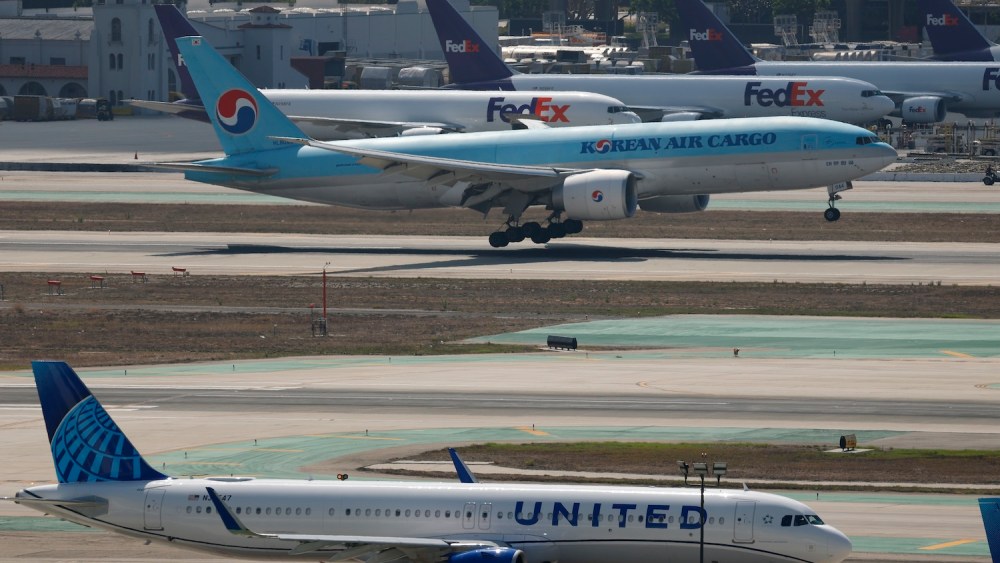
African airlines expanded their cargo capacity by 14% in August 2026, the fastest growth of any global region, yet cargo demand rose just 3%, according to IATA. This mismatch has pushed cargo load factors down to 36.5%, leaving planes flying half-empty as African carriers struggle to fill newly added cargo space.
The capacity surge, driven by new freighter deliveries and restored passenger flights, outpaced demand growth globally. IATA's senior economist noted that while global air cargo demand grew 4.4% year-on-year, African carriers are lagging behind other major trade corridors in filling available space.
Africa Adds Cargo Planes Faster Than Trade Grows
African air cargo demand climbed 3.0% in August compared to last year, but available capacity jumped 14.0%, according to IATA data released in late September 2026. The regional cargo load factor—the percentage of available space filled—dropped 3.9 percentage points to just 36.5%, meaning more than half the cargo capacity sits empty.
This capacity surge reflects African airlines adding new dedicated freighter aircraft and bringing passenger flights back online with belly-hold cargo space. Yet African exports aren't growing fast enough to fill the new capacity, leaving carriers with less revenue per flight.
Trade With Asia Weakens Amid Regional Imbalance
The Africa-Asia trade corridor, a critical route for African exports, contracted 11.9% year-on-year in August, marking the third consecutive month of decline. This weakness stands in sharp contrast to other global corridors: Asia-North America cargo surged 13.2% in August, the fastest growth tracked globally, according to IATA.
The mismatch reveals that the real constraint isn't air capacity—African carriers have solved that problem. The bottleneck is now African export growth. Without more high-value goods like fresh produce, pharmaceuticals, and electronics to ship, carriers cannot justify higher freight rates or fill available seats.
Fuel Costs and Economic Pressure Mount for Carriers
Global jet fuel prices surged 8.3% in one month and jumped 79.2% year-over-year in August, adding severe cost pressures on African carriers already struggling to fill cargo space. Marie Owens Thomsen, IATA's senior vice president for sustainability, noted that "strong demand and higher load factors help airlines recoup exceptionally high fuel costs."
With African cargo load factors at only 36.5%, carriers face a squeeze: falling fuel costs would help, but they're heading in the opposite direction. Airlines now have excess capacity, rising fuel bills, and sluggish regional export growth—a difficult combination heading into the peak season.
Potential Solution: Boosting Intra-African Trade
Trade experts point to the African Continental Free Trade Area (AfCFTA) as a potential lifeline. Faster implementation of intra-African trade agreements could spur demand for air cargo between African nations and unlock the newly available cargo capacity airlines have built.
African carriers now lead global regions in capacity expansion—a position of strength if demand can follow. The next three months will reveal whether Q4 holiday peak season demand accelerates enough to justify the ambitious aircraft additions, or whether yield pressures intensify as competition for limited cargo rises.
Sentiment
Mostly NegativeNEGATIVENEUTRALPOSITIVE
Publishers
30
Articles
20
Reach
50
A
AnonymousAuthor


