Mega Millions Jackpot
Mega Millions Jackpot Nears Top 10 All-Time High at $576 Million
Anonymous
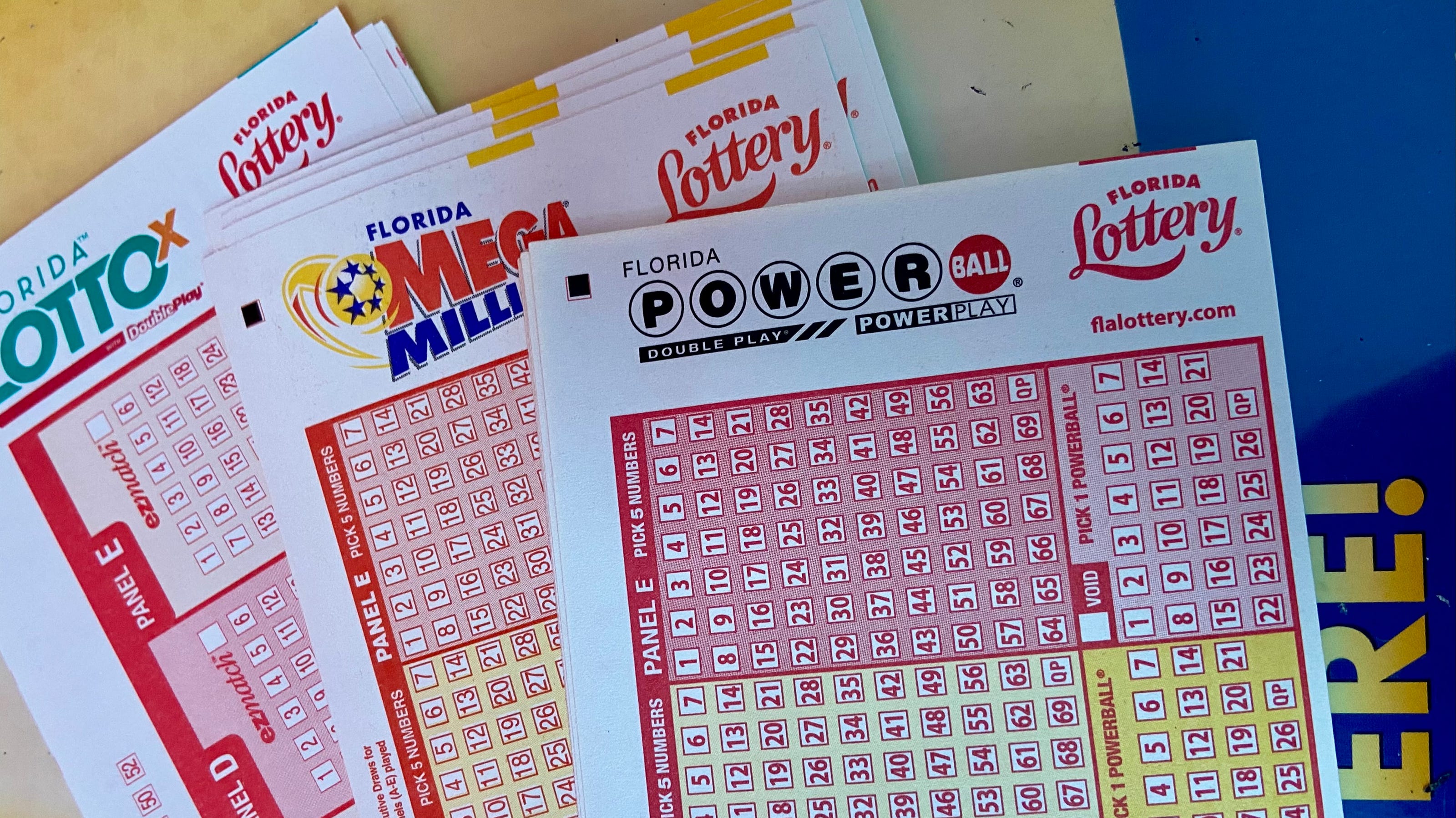
The Mega Millions jackpot has climbed to $576 million, making it one of the ten largest prizes in the game's history, according to Naples Daily News. No one has won the grand prize since March, and the jackpot has now rolled over 31 straight times.
The winning numbers drawn on Tuesday, July 7, were 5, 9, 29, 47, and 57. Nobody matched all five numbers plus the Mega Ball. The next drawing is Friday, July 10, Florida Today reported.
31 Rollovers and Counting Since March Win
The current jackpot run started in March, when an Illinois ticket matched all five numbers and the Mega Ball to win $533 million, according to Palm Beach Post. Before that, an Ohio ticket won $60 million on St. Patrick's Day. Since then, no one has come close to winning the grand prize.
The jackpot has now gone 31 drawings without a winner. Each rollover pushes the prize higher. At $576 million, it now ranks among the biggest Mega Millions jackpots ever offered, The Ledger reported.
Pennsylvania Ticket Wins $3 Million Second Prize
While no one took home the jackpot on July 3, a ticket sold in Pennsylvania matched all five white balls — but not the Mega Ball. That was enough to win a $3 million second-place prize, according to Gainesville Sun.
Second-prize tickets like this are rare but not unheard of during long jackpot runs. The odds of matching all five white balls without the Mega Ball are about 1 in 12.6 million, TCPalm noted.
What a $576 Million Win Would Actually Pay Out
The $576 million figure is the annuity value — paid out over 29 years. Most winners choose the lump sum instead. That cash option is worth significantly less, closer to roughly half the advertised amount before taxes, News-Press reported.
Federal taxes take 37% off the top for big lottery wins. State taxes vary. A winner in a high-tax state could take home less than a third of the headline number. Still, even after taxes, the prize would make any winner enormously wealthy overnight.
Friday Drawing Could Push Prize Even Higher
The next Mega Millions drawing is set for Friday, July 10. If no one wins, the jackpot will grow again. Tickets cost $2 each, and the odds of winning the grand prize are 1 in 302.6 million, according to Jacksonville.com.
Long jackpot runs tend to boost ticket sales sharply. More players mean more revenue — and bigger rollovers if no one wins. The game is sold in 45 states plus Washington D.C., the U.S. Virgin Islands, and Puerto Rico, NW Florida Daily News reported.
Sentiment
NeutralNEGATIVENEUTRALPOSITIVE
Publishers
20
Articles
151
Reach
171
Topics
A
AnonymousAuthor


