Affordable After-Hours Pet Care
After-hours veterinary urgent-care clinics offer lower-cost alternatives for pets needing prompt medical attention.
Anonymous
Key Points
1
The article illustrates the after-hours gap with a pet becoming ill at 8:30 p.m. on a Tuesday, after the regular veterinarian has closed.
2
It says some owners discover urgent-care clinics only during a crisis, while searching online late at night and confronting an emergency hospital’s estimated cost.
3
The article describes an example of an emergency hospital with a four-hour wait, where triage prioritizes stabilizing a patient with a gunshot wound before assessing other animals.
4
The opening examples include a dog eating chocolate and a cat straining in the litter box—situations the article uses to frame the need for prompt after-hours guidance.
Pet owners who rush to find help when their dog eats chocolate or their cat can't use the litter box at 8:30 p.m. on a Tuesday now have a middle ground between waiting until morning and paying steep emergency-room fees. WBOC reports that after-hours urgent-care veterinary clinics are filling a gap for pets with painful or worsening problems that need prompt attention but aren't immediately life-threatening.
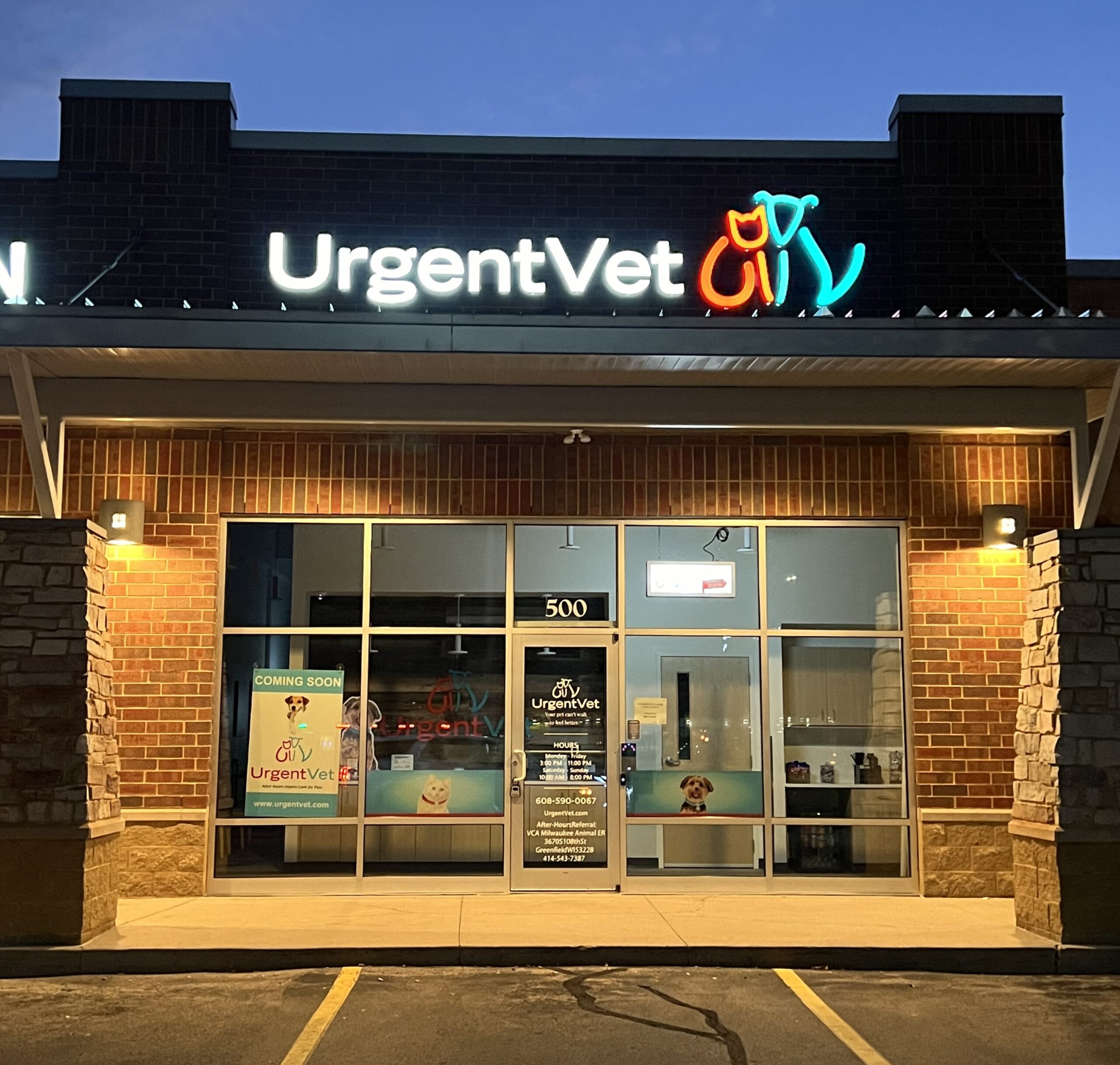
Unlike 24-hour emergency hospitals with long waits and high costs, urgent-care clinics treat issues like persistent vomiting, limping, minor bite wounds, and ear irritation. Urgent Vet expanded its after-hours options to help owners avoid the crushing expense of a full emergency facility for problems that can wait a few hours but shouldn't wait until morning.
The After-Hours Pet Care Crisis
A pet falling ill after 6 p.m. creates panic for most owners. Regular veterinary offices close in the evening, leaving two stark choices: wait until morning and risk the animal's condition worsening, or drive to a 24-hour emergency hospital. WBOC notes that many owners only discover urgent-care clinics during a crisis, frantically searching online late at night while staring at emergency room bills that can spiral into thousands of dollars.
Emergency hospitals prioritize by triage severity. A dog with a gunshot wound gets stabilized first. Other animals wait—sometimes four hours or longer—even when their problems cause real suffering. Press Release CC explains that true emergencies are anything actively life-threatening, but many after-hours pet problems fall into a gray zone: painful, but not immediately fatal.
What Urgent-Care Clinics Actually Treat
After-hours urgent-care veterinary clinics handle the problems that regular vets would see on a Tuesday morning. Persistent vomiting, a cat straining in the litter box, a dog limping after jumping off the couch, swollen ears from allergies, minor bite wounds—these situations cause real distress but don't require a full emergency team standing by. WBOC confirms that prompt attention prevents minor issues from becoming severe overnight.
The key distinction: urgent-care handles problems needing guidance and treatment within hours, while emergency hospitals manage immediate crises. Urgent Vet expanded specifically to handle evenings and weekends, reducing the pressure on owners to choose between ruined sleep and maxed-out credit cards. Speed of care drops costs dramatically.
When to Skip Urgent Care and Go to the ER
Not every after-hours problem belongs in an urgent-care clinic. Pets with suspected poisoning, difficulty breathing, severe bleeding, loss of consciousness, or potential trauma need immediate emergency care. Press Release CC makes clear: any condition that is actively life-threatening demands a full emergency hospital with surgery capability and round-the-clock specialists.
The decision hinges on one question: Is my pet's life in danger right now? If yes, drive to the emergency room. If your pet is painful or uncomfortable but stable, an urgent-care clinic offers faster help and lower cost than sitting in a hospital waiting room for hours while your bill climbs.
Urgent Care Expands in Major Pet-Owner Markets
WBOC reports that after-hours urgent-care networks like UrgentVet are expanding into neighborhoods with high pet ownership. Ballantyne, Florida residents recently gained a new after-hours emergency veterinary care option. These clinics specifically handle evenings and weekends—the times when regular vets close but emergencies don't care about the calendar.
The model works because it's affordable. Pet owners spend less at an urgent-care clinic than at a 24-hour emergency hospital, and faster than waiting for their regular vet to open. Urgent Vet frames this as expanding options: owners no longer face a binary choice of morning appointment or emergency room. A third path now exists.
Sentiment
Mostly NegativeNEGATIVENEUTRALPOSITIVE
Publishers
30
Articles
57
Reach
87
A
AnonymousAuthor


