Barclays Plans Tighter Office Rules, Staff Push Back
Barclays Plans Tighter Office Rules, Staff Push Back
Anonymous
Key Points
1
Unite national officer Rick Coyle said members believe Barclays is “trying to fix a problem that doesn’t exist,” arguing that other banking and financial-services employers are generally moving toward greater flexibility.
2
The dispute comes shortly after the UK government unveiled proposals to give workers greater rights to request work-from-home arrangements, adding a broader policy backdrop to the Barclays conflict.
3
Barclays’ policy is less demanding than the full-time office mandates adopted or pursued by some US banks, but employees object that fixed attendance targets replace the flexibility that became common after the pandemic.
4
Employees have highlighted practical pressures beyond commuting fares, including childcare arrangements and the higher cost of living and transport associated with working in London, particularly for staff who moved away from major financial centres during the hybrid-work period.
5
The wider banking sector has also faced resistance to office-return mandates: JPMorgan staff previously petitioned against a five-day requirement, while Hargreaves Lansdown planned a three-day office policy tied to its move to a new Bristol office.
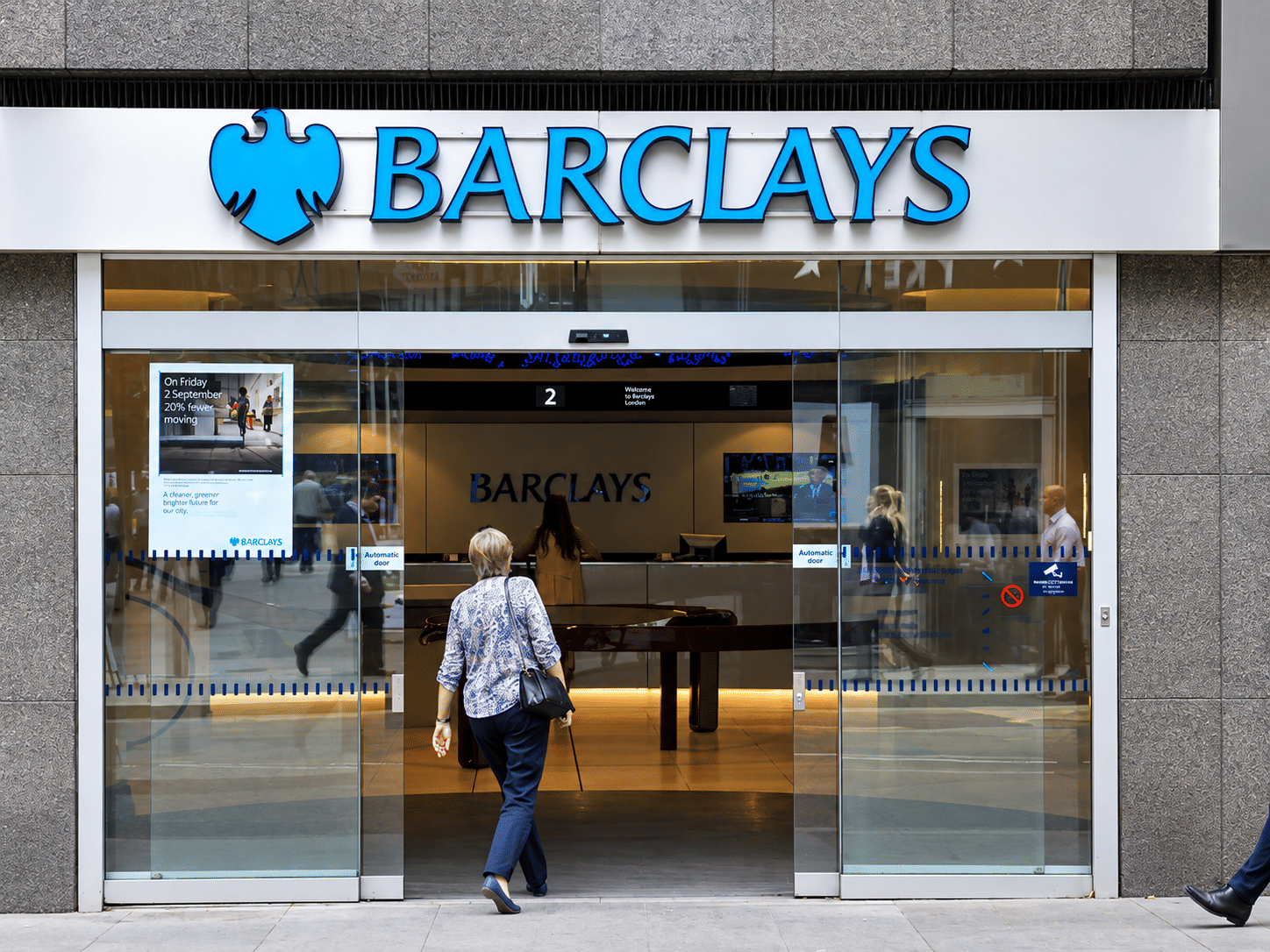
Barclays plans to force UK staff back to the office three days a week starting in October, up from two. Senior leaders will attend four days. Unite, the union representing nearly 80% of the bank's 45,000 UK workers, says thousands have signed an open letter opposing the move and is demanding the bank pause the plan fstech.
The union is asking for a one-time payment to cover higher commuting costs, exemptions for workers traveling over 40 minutes or 35 miles, and more flexibility for caregivers hrkatha. A survey found 94% of respondents favored delaying the policy. Rick Coyle, a Unite officer, said staff believe Barclays is "trying to fix a problem that doesn't exist" ibtimes.
Why Workers Are Pushing Back Hard
Staff say the stricter policy ignores the flexibility that became normal after the pandemic. Many employees moved away from London during hybrid work and now face heavy commuting costs and childcare clashes peoplematters. Workers argue Barclays hasn't proven it needs the tighter rules. Other big banks and financial firms are actually moving toward more flexibility, not less ibtimes.
The Wider Banking Sector Faces Similar Revolts
Barclays isn't alone. JPMorgan staff petitioned against a five-day office requirement. Hargreaves Lansdown planned a three-day policy tied to moving offices fstech. These conflicts show how return-to-office mandates now spark real employee resistance across the sector, not just at Barclays.
New UK Law Could Strengthen Workers' Hand
The UK government recently proposed giving workers greater rights to request work-from-home arrangements ibtimes. This policy backdrop adds weight to the Barclays dispute. If the law passes, it could make company mandates harder to enforce and shift the balance toward employee flexibility across British banking.
What Barclays Says About the New Rules
Barclays says its office policies differ by business area and aim to balance workplace teamwork with flexibility fstech. The bank hasn't publicly addressed the union's specific demands for commuting payments or travel exemptions. Three days a week is less strict than full-time mandates some US banks have tried, but it still marks a shift away from the hybrid norm staff expected to keep.
Sentiment
Mostly NegativeNEGATIVENEUTRALPOSITIVE
Publishers
23
Articles
33
Reach
56
Topics
A
AnonymousAuthor


