Satellite Rescue Fails
Commercial rescue satellite fails to save NASA Swift telescope due to fuel shortage.
Anonymous
Key Points
1
Intense solar storms have accelerated Swift’s orbital decay; similar solar-driven deterioration has also affected the Hubble Space Telescope, prompting Katalyst to develop a next-generation spacecraft for possible Hubble servicing.
2
Katalyst CEO Ghonhee Lee said the Hubble situation is not immediately critical, noting that “Hubble does still have a few years of life yet.”
3
The mission reflects a broader shift toward designing spacecraft for in-orbit maintenance: NASA’s Roman Space Telescope is intended to be refuelable even though it will operate at a distant observation point.
4
Lee said commercial servicing of aging space telescopes could become routine rather than niche, saying, “We believe it’s going to become more and more commonplace.”
5
Link’s three robotic arms are about 3 feet long and continued collecting data during the approach, providing Katalyst with operational experience for future robotic servicing missions.
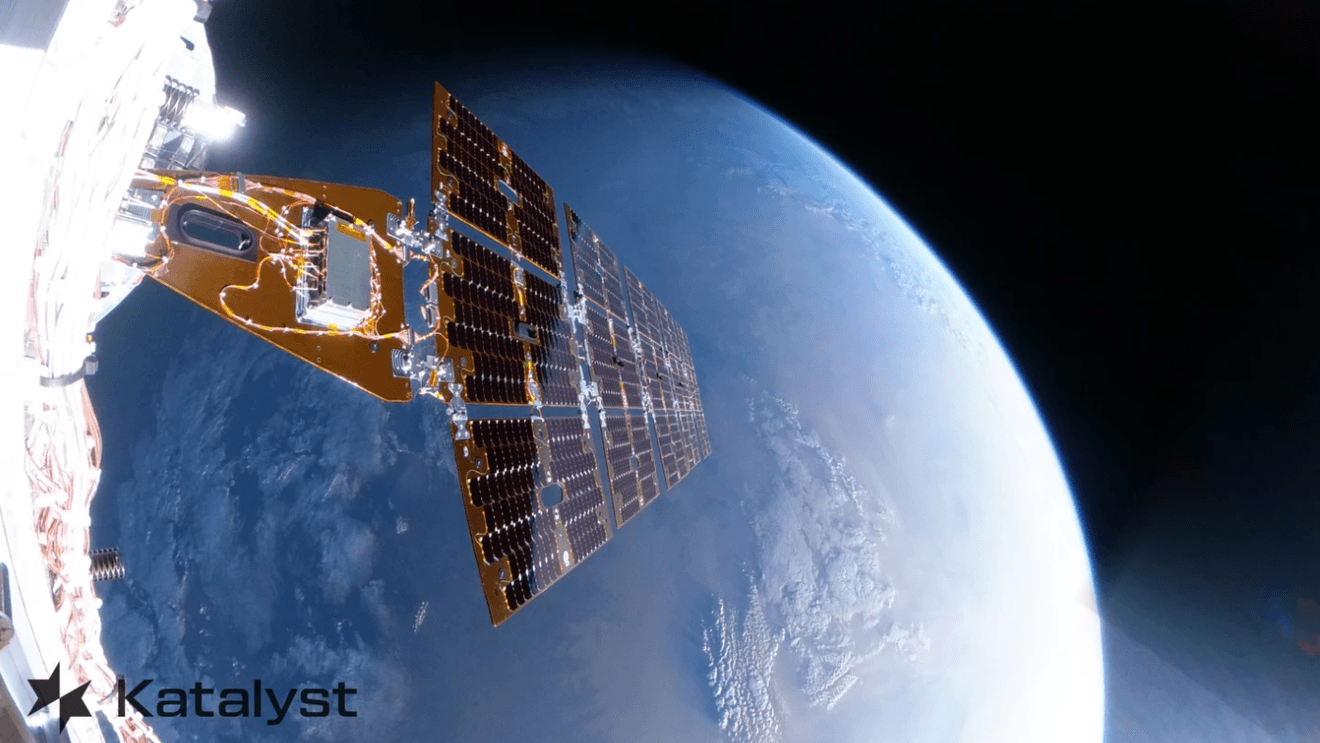
Katalyst Space Technologies' Link spacecraft came within 15 kilometers of NASA's Swift Observatory and snapped photos, but ran out of fuel before it could rescue the aging telescope SpaceNews. An uncontrolled spin after Link's July launch consumed the fuel needed to boost Swift into a safer orbit. Swift will likely fall back to Earth between October 2026 and year-end, though NASA has resumed limited observations KRCG. The $30 million mission, built in just nine months, shows both the promise and the peril of commercial satellite servicing.
How a Broken Launch Doomed the Rescue
Link launched in July but immediately went into an uncontrolled spin SpaceNews. The spacecraft's team had to burn fuel just to stabilize it. That left nothing in the tank for the main job: pushing Swift higher into orbit so it would stay aloft longer. Instead of a triumph, the mission became a test of how close Link could get while gathering data for future attempts KRCG.
Solar Storms Are Dragging Down Space Telescopes
Intense solar activity has accelerated Swift's orbital decay KRCG. The same problem is affecting Hubble, which is also sinking. This dual crisis is pushing companies like Katalyst to develop new spacecraft designed to service and refuel aging observatories before they burn up. Katalyst CEO Ghonhee Lee said Hubble still has time: "Hubble does still have a few years of life yet" SpaceNews.
Commercial Servicing Could Become the New Standard
NASA's Roman Space Telescope is being built to accept fuel transfers in orbit. That signals a shift: agencies now design telescopes expecting maintenance, not just retirement SpaceNews. Lee believes this will become routine. "We believe it's going to become more and more commonplace," he said of commercial in-orbit servicing SpaceNews.
Link's Robotic Arms Gather Intelligence for Next Time
Link carries three robotic arms, each about 3 feet long KRCG. During the approach to Swift, the arms kept collecting data and testing maneuvers. Though this mission failed its primary goal, it gave Katalyst real-world experience. The company plans to use Link's remaining fuel to run more robotic arm tests before the spacecraft reenters the atmosphere SpaceNews.
Sentiment
Mostly NegativeNEGATIVENEUTRALPOSITIVE
Publishers
13
Articles
153
Reach
166
A
AnonymousAuthor


