Sudan Conflict Intensifies
Sudan conflict intensifies in Kordofan region as humanitarian crisis and displacement surge
Anonymous
Key Points
1
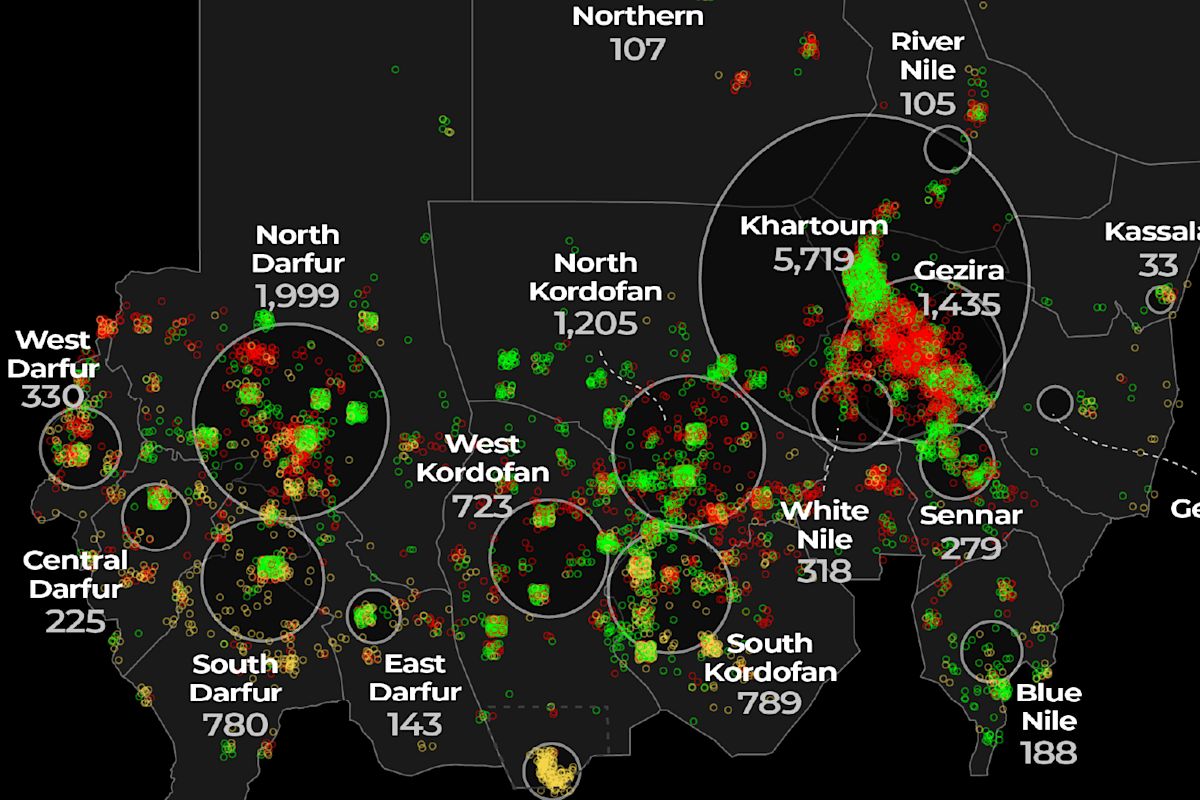
An Al Jazeera analysis of ACLED data recorded 14,648 attacks across Sudan from April 15, 2023, to September 19, 2026; Khartoum accounted for 5,719, or 39 percent, the highest number of any state.
2
UNHCR said more than 400 people crossed daily from Sudan into eastern Chad during the previous week—20 times the level recorded in recent months. The article also reports nearly 200,000 killed and 14 million people forced from their homes.
3
The proposed PEACE Sudan Act would extend the U.S. special envoy’s authorization from two years to five and require recurring reports on foreign support for the conflict, atrocities and armed actors’ financial assets.
4
The bill would also direct U.S. representatives at international financial institutions to oppose certain loans and long-term development or reconstruction assistance to Sudan, while preserving exceptions for lifesaving humanitarian aid.
Sudan's Kordofan region has emerged as a critical battleground in the war between the Sudanese Armed Forces and the Rapid Support Forces, with Al Jazeera analysis showing roughly one-fifth of all recorded attacks nationwide occurring there since April 2023. The fighting has intensified since late 2025, driving a surge in displacement—UNHCR reported more than 400 people crossing daily from Sudan into eastern Chad in recent weeks, a twenty-fold jump from earlier levels.
Control of Kordofan remains split: the army holds much of the north and east, the RSF dominates Darfur and parts of Kordofan, while South Kordofan is heavily contested. Meanwhile, Sudanese leader Abdel Fattah al-Burhan has rejected international pressure for a humanitarian truce, and a bipartisan U.S. Senate bill proposes expanding sanctions and diplomatic measures against both warring parties and their foreign backers.
Kordofan's Strategic Value in Sudan's War
Kordofan serves as a critical corridor linking Sudan's east and west regions, making control of it essential for both the Sudanese Armed Forces and the Rapid Support Forces. Al Jazeera analysis of ACLED conflict data recorded 14,648 total attacks across Sudan from April 15, 2023, to September 19, 2026. Khartoum accounted for the most with 5,719 attacks, or 39 percent of the total. Kordofan's share represents roughly one-fifth of all nationwide recorded attacks.
The region's intensified fighting since late 2025 reflects both sides' determination to secure territory and supply lines. Drone strikes have become increasingly frequent across Kordofan's contested zones. The army's control over much of northern and eastern Sudan gives it strategic depth, while the RSF's dominance in Darfur threatens to consolidate a rival power base in western Sudan.
Displacement Crisis Deepens Across Borders
The fighting has triggered a sharp spike in cross-border displacement to neighboring Chad. UNHCR reported that more than 400 Sudanese crossed daily into eastern Chad during the previous week—twenty times the rate recorded in recent months prior. The total humanitarian toll is staggering: nearly 200,000 people have been killed and 14 million have been forced from their homes since the conflict began.
Humanitarian aid has not kept pace with growing needs. Aid organizations struggle to reach displaced populations in both Sudan and Chad. The mass movement across borders strains resources in host communities that already lack basic services. Children and vulnerable groups face heightened risks during dangerous journeys.
Al-Burhan Rejects Humanitarian Truce Calls
Sudanese leader Abdel Fattah al-Burhan has firmly rejected international pressure to accept a humanitarian truce. Borkena reported that al-Burhan stated his country will not respond to "any pressure or blackmail." His refusal underscores the military's confidence in its ability to prevail and resistance to any agreement that might limit its operations against the RSF.
The rejection complicates international efforts to establish safe passages for aid delivery and civilian evacuation. Humanitarian organizations have called for pauses in fighting to allow life-saving assistance to reach desperate populations. Without such agreements, aid access remains precarious and civilian suffering continues to mount across Kordofan and beyond.
Senate Pushes Sanctions and Diplomatic Pressure
A bipartisan U.S. Senate bill, the PEACE Sudan Act, aims to escalate pressure on both warring parties. Legis1 reported that the S.4726 bill would extend the U.S. special envoy's authorization from two years to five years. It also requires recurring reports on foreign support fueling the conflict, alleged atrocities, and the armed actors' financial assets.
The bill directs U.S. representatives at international financial institutions to oppose certain loans and reconstruction assistance to Sudan—while preserving exceptions for lifesaving humanitarian aid. The measures target both the Sudanese Armed Forces and the Rapid Support Forces, as well as their foreign backers who supply weapons and financial support to the warring sides.
Sentiment
Mostly NegativeNEGATIVENEUTRALPOSITIVE
Publishers
14
Articles
1
Reach
15
A
AnonymousAuthor


