FBI Hiring Policy Debate
Senators Press FBI Director Kash Patel Over Revised Hiring Rules And Bestiality Ban
Anonymous
Key Points
1
The revised policy reportedly allows the FBI to consider applicants for special-agent and other bureau positions who have paid for sex, while officials maintain that applicants who committed sex crimes remain ineligible.
2
Patel said the previous rules automatically disqualified anyone who had participated in prostitution, bestiality or trafficking, and told Kennedy that those regulations were in place before Patel became director.
3
During the exchange, Kennedy challenged Patel over the policy’s wording, while Patel remarked that the FBI has “great canines” and would not disqualify them, prompting laughter in the hearing room.
4
The hiring-policy change was described as an internal memo that was first reported by CBS News, rather than as a publicly announced revision at the time it was adopted.
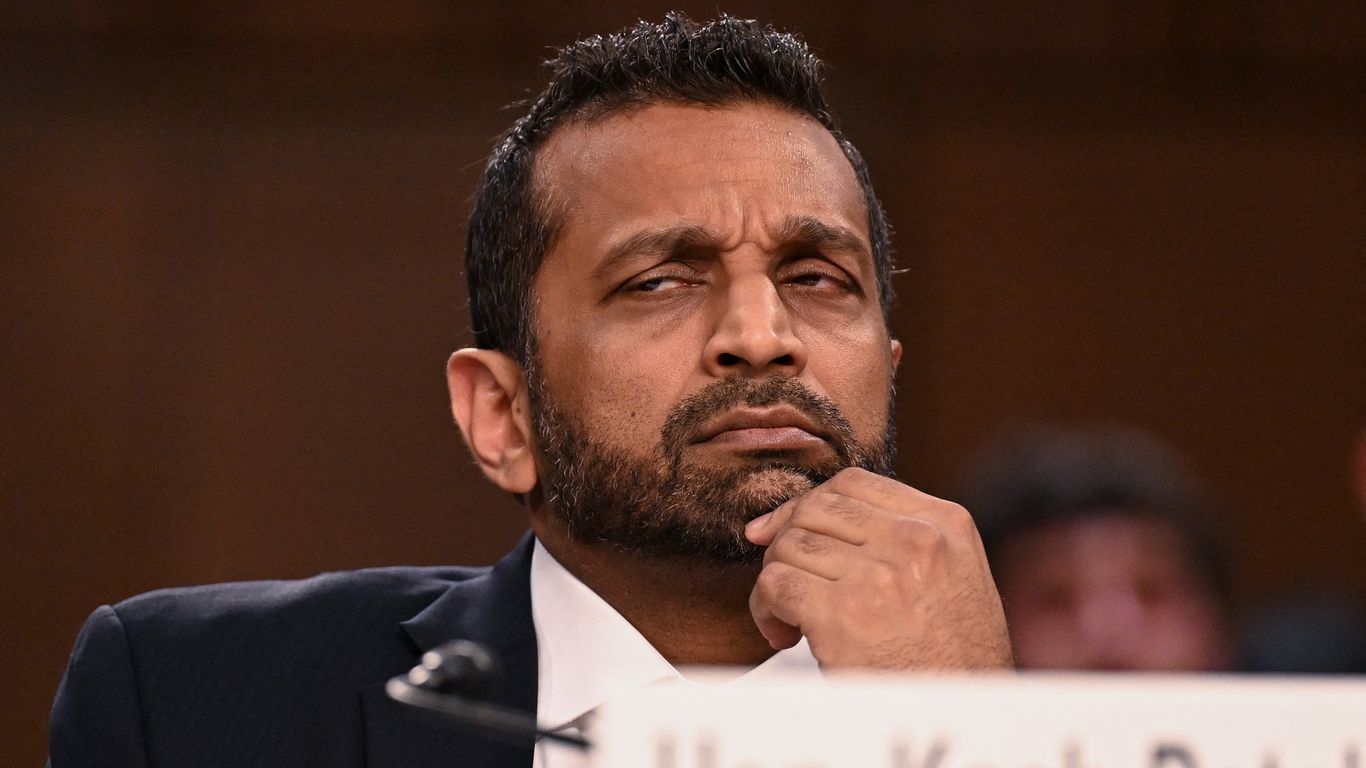
FBI Director Kash Patel faced tough questioning from senators on both sides of the aisle after the bureau revised hiring rules that no longer automatically disqualify applicants with histories of prostitution or bestiality. Axios reported that Patel defended the changes during a Senate Judiciary Committee hearing, arguing the new language was designed to avoid excluding victims of trafficking or people forced into such acts rather than voluntary offenders.
Sen. John Kennedy (R-La.) repeatedly pressed Patel on whether someone who voluntarily engaged in bestiality could become an FBI agent. AJC reported that Patel insisted offenders would remain ineligible under the updated policy, though the tense exchange underscored broader concerns about the FBI's hiring standards and public trust in the agency.
What Changed in FBI Hiring Rules
The FBI altered its hiring standards to allow consideration of applicants with past involvement in prostitution, CBS News first reported via an internal memo that was not publicly announced at the time. NDTV noted that Patel said the previous rules automatically disqualified anyone who participated in prostitution, bestiality, or trafficking. The updated language now distinguishes between voluntary offenders and trafficking victims.
Kennedy Presses Patel on Policy Wording
Sen. Kennedy challenged Patel directly over how the policy's language could prevent the disqualification of voluntary offenders. Messenger-Inquirer reported the exchange was heated, with Kennedy seeking clear answers on whether bestiality involvement alone would block an applicant. Patel countered that the FBI has "great canines," drawing laughter from the hearing room as he signaled the rules would not affect working dogs.
The tension reflected deeper concerns about whether the bureau's hiring standards remained rigorous enough. Devdiscourse reported that critics on both sides of the political aisle raised eyebrows over Patel's decision to loosen disqualifiers, questioning whether the changes weakened the FBI's vetting process and staffing standards.
Patel's Rationale and Transparency Questions
Patel explained the rule change was necessary to prevent victims of trafficking from being automatically rejected during the hiring process. He noted the previous policies predated his tenure as FBI director. However, the fact that the change was implemented as an internal memo rather than a public announcement drew additional criticism from lawmakers concerned about transparency.
The hearing underscored ongoing friction over FBI staffing challenges and public confidence in the agency's hiring practices. Senators on both sides questioned whether loosening certain disqualifiers struck the right balance between inclusivity and maintaining the bureau's standards for sensitive positions like special agent roles.
Sentiment
Mostly NegativeNEGATIVENEUTRALPOSITIVE
Publishers
24
Articles
162
Reach
186
A
AnonymousAuthor


